RSS

Before You Make an Offer: 5 Things Buyers Often Overlook

Finding a home you love is exciting. You walk through the rooms, picture where your furniture will go, and start imagining yourself living there.  But before making an offer, there are a few things I always encourage buyers to look into.  Some of these details might seem small at first, but they can make a big difference after you've purchased the property.

Here are five things worth knowing before you make that decision.
1. Were Those Renovations Done With the Proper Permits?

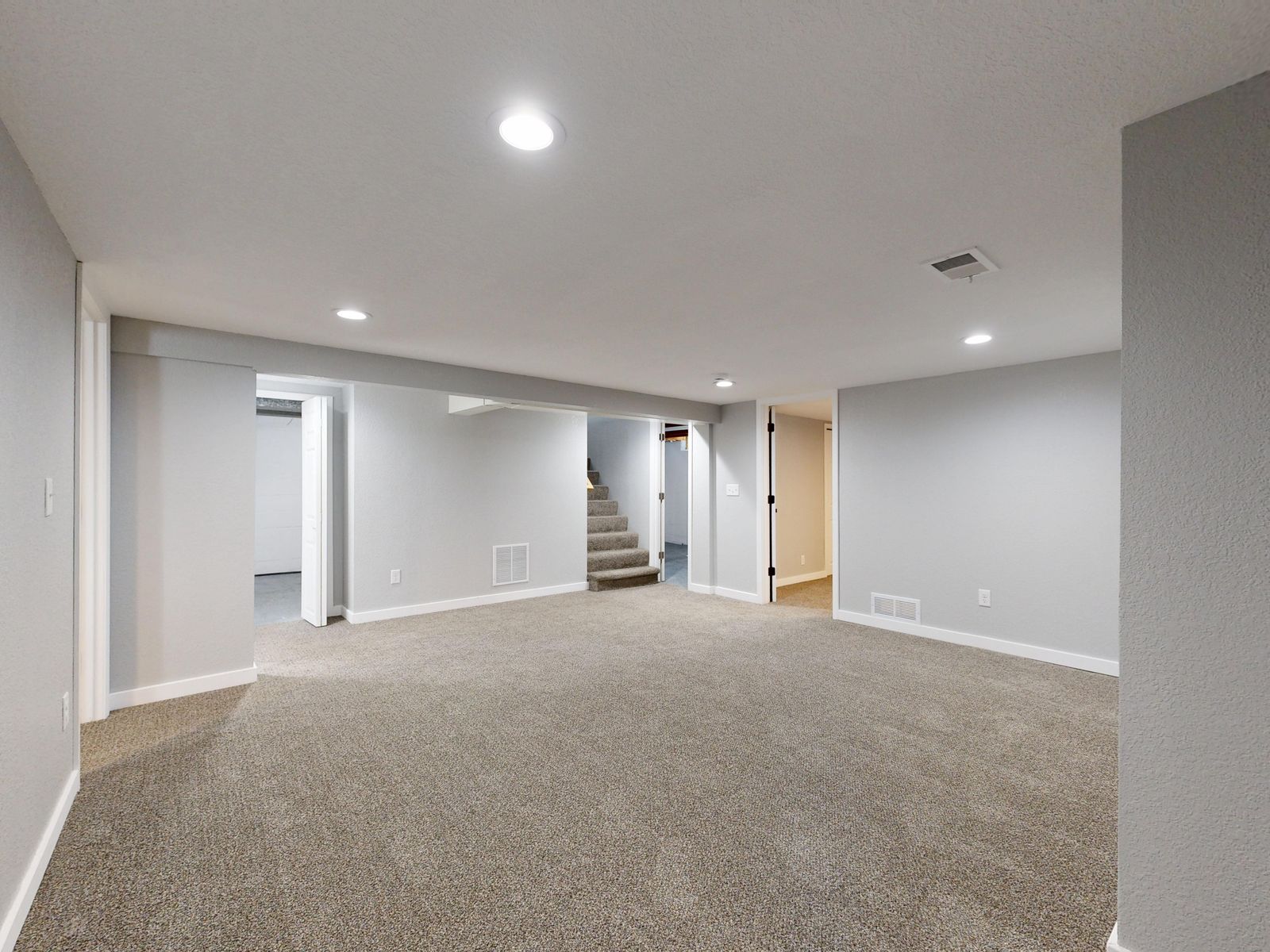
That beautiful finished basement or newly renovated kitchen might look amazing, but have you ever wondered whether the work was done with the required permits?  Not every renovation requires a building permit, but certain changes do.  For example, removing structural walls, adding bathrooms or creating a basement apartment may require permits and inspections.

And here's something buyers don't always realize.  Just because a basement has a kitchen and bathroom doesn't automatically mean it's a legal second unit.  It's worth checking with the municipality to understand what permits and approvals are on record.

This could save you from unexpected expenses or complications later.

2. Have You Looked Beyond the Monthly Mortgage Payment?

When buying a home, most people focus on what their monthly mortgage payment will be.  But that's only part of the cost.  Property taxes, insurance, utilities and maintenance all need to fit into your budget.  For example, an older home might have lower property taxes but require more money for repairs and upkeep.  A newer property may need fewer immediate repairs but have other expenses to consider.

The important question isn't just, "Can I afford to buy this home?" It's also, "Can I comfortably afford to live in it?"

That's a conversation worth having before making an offer.

3. Does the Property Have Any Restrictions You Should Know About?

This is something that can easily be overlooked.  Maybe you're planning to rent out the basement, build an addition or make changes to the property after moving in.  But are those plans actually permitted?

Municipal zoning rules, condominium restrictions, easements and other property limitations can affect what you're allowed to do.  For condominium buyers, it's also important to review the status certificate and related documents with your lawyer.  These documents can provide valuable information about the condominium corporation, including its finances, rules and possible additional costs.

Never assume that because a property has enough space for something, you're automatically allowed to use it that way.
4. Has the Home Been Properly Maintained?

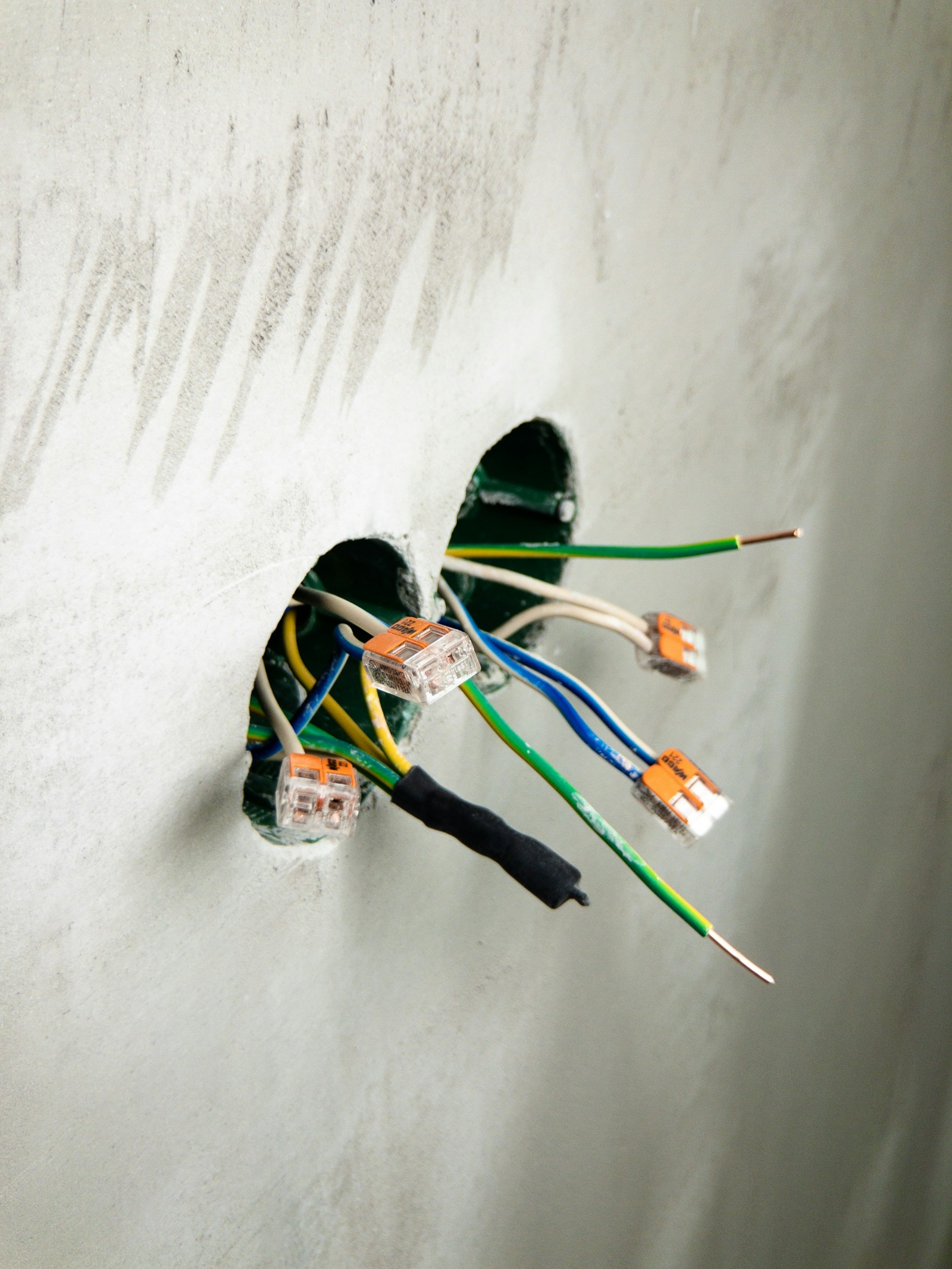
Fresh paint, beautiful flooring and updated light fixtures can make a home look wonderful.  But what about the things you can't easily see?  The roof, foundation, electrical system, plumbing and heating equipment are all important.

A home inspection can help identify visible problems and areas that may need further investigation.  However, a home inspection doesn't guarantee that every problem will be discovered.  Depending on the property, additional inspections or professional assessments may be worth considering.

A home doesn't have to be perfect to be a good purchase.  You simply want to understand what you're buying and what expenses might be coming your way.

5. Is Your Mortgage Approval Ready for This Particular Property?

Here's one that sometimes surprises buyers.  Being pre-approved for a mortgage doesn't mean every property you choose will automatically qualify for financing.

Your lender still needs to review the property and complete the final approval process.  For example, if the lender's appraisal comes in lower than the purchase price, you may need additional funds or another solution.  This is why I encourage buyers to stay in contact with their mortgage professional before making an offer.

It's also important to understand the financing conditions in your agreement and the risks of making an offer without them.  A little preparation can help avoid some very stressful situations later.


My Final Thoughts

Buying a home is a big decision, and it's easy to get caught up in the excitement of finding the right one.  But sometimes the most important questions aren't about the number of bedrooms, the kitchen or even the asking price.  They're about understanding the property, knowing what you're responsible for and making sure the purchase fits your plans.

You don't need to know everything about real estate before buying a home.  You just need to know which questions to ask and where to get reliable answers.

If you're thinking about buying in Brampton, Mississauga or the surrounding GTA, I'm always happy to help you understand the process and make informed decisions.

EXPLORE YOUR OPTIONS

Paula Da Silva | REALTOR®
EXIT Realty Hare Peel Brokerage


Helpful Resources

  • Ontario Building Code and your local municipal building department — Renovation permits and building requirements

  • Financial Consumer Agency of Canada — Mortgage Pre-Approval and Homebuying Costs

  • Condominium Authority of Ontario — Understanding Status Certificates

  • Canada Mortgage and Housing Corporation (CMHC) — Homebuying Information

This article provides general real estate information. Property requirements, mortgage approvals and legal obligations vary. Buyers should consult the appropriate municipality, lender, lawyer or qualified inspector when necessary.
Read

GTA Real Estate Market Update: October 2026 — What Buyers and Sellers Should Know

Real Estate News | November 9, 2026

The latest numbers from the Toronto Regional Real Estate Board (TRREB) are in, and October's housing market tells an interesting story.

Home sales and prices across the Greater Toronto Area remained below last year's levels, while fewer new properties came onto the market.  But there is another side to these numbers worth looking at.  Although activity was lower compared to October 2025, the market showed some improvement from September.

So, what does this mean if you're thinking about buying or selling a home in Brampton or the surrounding GTA?


A Look at the October Numbers

According to TRREB's October 2026 Market Watch report:

  • 5,603 homes sold across the GTA, a decrease of 7.9% compared to October 2025.

  • The average selling price was $1,024,108, down 2.7% from a year earlier.

  • 14,173 new listings entered the market, an 11.9% decrease year over year.

  • The MLS® Home Price Index benchmark declined 4.3% compared to October 2025.

While these numbers show that buyers remain cautious, TRREB also reported that sales, new listings and prices increased slightly from September on a seasonally adjusted basis.  This is an important distinction. A slower market compared to last year doesn't necessarily mean conditions are getting worse every month.


What's Happening in Brampton?

Brampton continues to experience a market where buyers have choices, but sellers also need to pay close attention to pricing and competition.

In October, Brampton recorded 435 home sales, with an average selling price of approximately $825,183.  There were also 960 new listings and 1,617 active listings at the end of the month.

These figures give us a picture of overall activity, but they don't tell the whole story for every property.  A detached home, townhouse or condominium can experience very different market conditions, even within the same neighbourhood.  That's why looking at comparable properties and recent sales is more useful than relying on one citywide average.


What Does This Mean for Buyers?

For buyers, the current market may provide opportunities that were harder to find during more competitive periods.

With more room to negotiate on some properties, buyers may have time to compare homes, review conditions and make decisions without feeling pressured to rush.  However, lower selling prices don't automatically mean lower monthly housing costs.  Mortgage rates, property taxes, insurance and other ownership expenses still need to be considered.

Before making an offer, it's important to understand what you can comfortably afford and what similar properties have recently sold for.


What Does This Mean for Sellers?

For sellers, October's numbers reinforce the importance of having a realistic pricing strategy.  Buyers are paying attention to value, comparing properties and taking their time before making decisions.

A home that is priced appropriately for its condition, location and competition may attract stronger interest than one priced based on what similar properties sold for a year or two ago.  This doesn't mean sellers should automatically lower their expectations.  It means understanding what buyers are willing to pay in today's market and preparing the property accordingly.


Looking Ahead

Economic uncertainty, inflation and borrowing costs continue to influence housing decisions across the GTA. While October showed some month-over-month improvement, one month of stronger activity isn't enough to establish a lasting market recovery.

The coming months will give us a clearer picture of whether buyer confidence is improving and how housing inventory responds.  For now, buyers and sellers should focus on their individual circumstances rather than trying to predict the perfect time to make a move.


My Final Thoughts

One thing I always encourage buyers and sellers to remember is that real estate decisions are personal.  The right time to buy or sell depends on your finances, your needs and your long-term plans.  Market statistics are useful, but understanding how those numbers apply to your particular situation is what really matters.

If you're considering buying or selling in Brampton, Mississauga or the surrounding GTA, I'm always happy to help you explore your options and make an informed decision.

Explore Your Options

Paula Da Silva | REALTOR®                                                                                                                                                  EXIT Realty Hare Peel Brokerage


Sources: Toronto Regional Real Estate Board (TRREB), October 2026 Market Watch, released November 4, 2026. GTA figures are from TRREB's published market summary. Brampton figures are from the October 2026 TRREB Market Watch municipal tables, as reproduced by Korean Homes.

Disclaimer: Market statistics represent reported activity for the period indicated. Conditions vary by property type, location and price range. This article provides general real estate information, not financial or mortgage advice.

Read

Selling Your Home in Today's GTA Market: How Higher Interest Rates Could Affect Your Plans

Thinking about selling your home in Brampton or the GTA, but wondering how the recent interest rate increase could affect your plans?

When interest rates rise, most of the conversation tends to focus on homebuyers and mortgage payments. But what about homeowners who are thinking of selling?  If you're considering putting your property on the market, you may be wondering whether buyers will become more cautious, whether your home will take longer to sell, or whether you should adjust your asking price.

These are reasonable questions, especially when the housing market is already experiencing changes.  The important thing to remember is that an interest rate increase doesn't automatically mean your home will lose value or that you should postpone selling.

It does, however, make understanding your local market and having a realistic selling strategy even more important.


What Changed With the Bank of Canada's Latest Announcement?

On October 28, 2026, the Bank of Canada increased its policy interest rate by 0.25 percentage points, bringing it to 2.50%.

The decision was influenced by ongoing inflation pressures and concerns about rising costs throughout the economy.  Although the Bank of Canada's policy rate doesn't directly determine every mortgage rate, changes can influence borrowing costs, particularly for variable-rate mortgages.

For sellers, the connection is fairly straightforward.  When borrowing becomes more expensive, some buyers may need to reconsider their budgets, adjust their price ranges, or take additional time before making a purchase.  But that doesn't mean buyers disappear from the market. It means their financial decisions may become more carefully considered.


What Is Happening in the GTA Housing Market?

The Toronto Regional Real Estate Board's latest October 2026 figures provide some useful perspective.  Across the GTA:

  • 5,603 homes sold, representing a 7.9% decrease compared with October 2025.

  • 14,173 new listings entered the market, down 11.9% from the previous year.

  • The average selling price was $1,024,108, a 2.7% decrease year over year.

  • The MLS® Home Price Index Composite benchmark declined 4.3% compared with October 2025.

Interestingly, when we compare September to October and account for the usual seasonal changes in the housing market, home sales and new listings both increased. Average home prices also went up slightly.

What does this tell us?

The GTA housing market is still active, but buyers are approaching their decisions with caution. Affordability, economic uncertainty, and borrowing costs remain important considerations.  These figures also reflect the broader market environment throughout October, not simply the Bank of Canada's announcement near the end of the month.  And while GTA-wide statistics provide useful context, they don't tell us exactly what is happening in every Brampton neighbourhood or with every property type.

That's why local market information matters.


Could Higher Interest Rates Affect Your Home's Selling Price?

Potentially, yes. But the relationship isn't as simple as interest rates going up and home prices automatically going down.  When buyers face higher borrowing costs, their purchasing power may be affected.

For example, someone who previously felt comfortable shopping within a particular price range may decide to look at homes priced slightly lower.  Others may delay their purchase while they review their finances.

However, the selling price of a home is also influenced by several other factors:

  • Location and neighbourhood

  • Property type and condition

  • Recent comparable sales

  • Available competing listings

  • Buyer demand within that price range

  • How the home is priced and presented

A well-maintained home in a desirable location may attract a different level of interest than a similar property requiring significant renovations.  This is why pricing should be based on current market evidence rather than assumptions about where interest rates are heading.


Why Pricing Your Home Correctly Matters

One of the most important decisions when selling a home is determining an appropriate asking price.  It's understandable that homeowners want to achieve the best possible return on their investment.  But there's a difference between what we hope a property will sell for and what buyers are currently willing and able to pay.

Overpricing a home can sometimes lead to fewer showings, longer time on the market, and eventual price adjustments.  On the other hand, pricing a property strategically, based on comparable sales and current competition, can help attract serious buyers.

That doesn't necessarily mean pricing below market value.  It means understanding where your property fits within today's market and choosing a strategy that supports your goals.

The asking price should have a purpose, not simply reflect a number you hope to achieve.


Are Buyers Becoming More Selective?

In a market where buyers have more options and are paying close attention to affordability, the condition and presentation of a home can become particularly important.  Buyers may compare several properties before deciding which one offers the best overall value.  As a seller, that makes preparation worth considering.

Depending on your property, this might include:

  • Addressing minor repairs

  • Decluttering and organizing living spaces

  • Improving lighting and presentation

  • Ensuring the property is clean and well maintained

  • Using professional photography and effective marketing

Not every home requires major renovations before selling.  In fact, spending money on improvements without understanding their potential return can sometimes be unnecessary. 

The goal is to identify which preparations will make a meaningful difference for your particular property and target buyer.


Should You Wait for Interest Rates to Come Down Before Selling?

This is another common question, and the answer depends on your circumstances.

Some homeowners may have flexibility with their timing. Others may be selling because of a job relocation, a growing family, retirement, or a change in financial circumstances.  Waiting for interest rates to decrease might seem appealing, but there's no guarantee when that will happen or how the housing market will respond.

Lower borrowing costs could encourage additional buyers to enter the market. However, other factors, including housing inventory, economic conditions, and consumer confidence, can also influence prices and competition. Rather than trying to predict the perfect moment, consider asking yourself:

  • Why am I thinking about selling?

  • Do I have a specific timeline?

  • What are comparable homes currently selling for?

  • How much competition would my property face?

  • If I'm buying another home, how would that purchase affect my overall finances?

Sometimes selling sooner makes sense. Other times, waiting is the better decision.  The right approach should reflect your financial situation, personal goals, and local market conditions.


What Should GTA Sellers Do Before Listing?

If you're considering selling your home in Brampton, Mississauga, Vaughan, or elsewhere in the GTA, a little preparation can make the process easier to understand.

1. Understand your home's current market value:  Review recent comparable sales, competing listings, and relevant neighbourhood trends. Remember that an online estimate or GTA-wide average may not reflect your property's actual market value.

2. Review your selling costs:  Consider mortgage discharge costs, possible prepayment penalties, legal fees, moving expenses, and any applicable real estate commissions or other costs.

3. Prepare your property thoughtfully:  Focus on improvements that could help buyers appreciate your home's condition and features without spending unnecessarily.

4. Discuss your pricing and marketing strategy:  Understand how your property will be positioned against similar homes and how the strategy may need to adapt if market conditions change.

5. Plan your next move:  If you're purchasing another property, review your financing and timeline before committing to a sale or purchase. Coordinating both transactions can require additional planning.


Final Thoughts

Interest rate changes can influence buyer confidence and affordability, but they are only one part of the real estate market.

For homeowners considering selling, the focus should be on understanding what is happening locally, preparing the property appropriately, and setting realistic expectations.  A successful selling strategy isn't about guessing what the market will do next.  It's about making informed decisions based on your property's value, current competition, and your personal circumstances.


Thinking About Selling Your Home in Brampton or the GTA?

Explore Your Selling Options

If you're considering selling but aren't sure where to begin, I'm happy to help you understand your local market, review comparable sales, and explore what a realistic selling strategy could look like.

No pressure or obligation. Just clear information to help you decide what makes sense for you.


Sources and Further Reading

Bank of Canada — October 28, 2026 Policy Rate Announcement
https://www.bankofcanada.ca/2026/10/fad-press-release-2026-10-28/

Toronto Regional Real Estate Board — Market Watch
https://trreb.ca/market-data/market-watch/

TRREB — October 2026 GTA Market Release
https://rss.globenewswire.com/news-release/2026/11/04/3395067/0/en/inflation-and-borrowing-costs-impacted-october-gta-real-estate-market.html

Disclaimer: This article is intended for general educational purposes and does not constitute financial, mortgage, legal, or tax advice. Real estate market conditions vary by location, property type, and individual circumstances. Consult qualified professionals when making important financial or real estate decisions.

Read

Interest Rates Have Increased: What Does This Mean for GTA Homebuyers?

Thinking about buying a home in Brampton or the Greater Toronto Area, but wondering whether the recent interest rate increase should change your plans?  You're probably not alone. When interest rates change, it's natural to question how much you can afford, what your mortgage payments might look like, and whether now is the right time to buy.

The good news is that one interest rate announcement doesn't have to determine your entire homebuying decision. What matters is understanding how the change could affect your finances and what steps you can take before moving forward.


What Changed With the Bank of Canada's Latest Announcement?

On October 28, 2026, the Bank of Canada increased its policy interest rate by 0.25 percentage points, bringing it from 2.25% to 2.50%.

The Bank explained that ongoing inflation pressures, particularly higher energy costs, contributed to its decision.  But what does this actually mean if you're planning to buy a home?

The policy rate influences borrowing costs across Canada, including certain mortgage rates. However, it doesn't mean every mortgage rate automatically increases by the same amount.  The effect depends partly on the type of mortgage you're considering.


Fixed vs. Variable Mortgage Rates: Understanding the Difference

When exploring mortgage options, you'll generally come across two common choices.

Fixed-rate mortgages

  • With a fixed-rate mortgage, your interest rate stays the same throughout your mortgage term.

  • Fixed mortgage rates are influenced by several factors, including bond market conditions, rather than moving directly with every Bank of Canada announcement.

  • This can offer predictability when planning your monthly expenses.

Variable-rate mortgages

  • Variable mortgage rates are generally linked to a lender's prime rate, which can respond to changes in the Bank of Canada's policy rate.

  • If your variable rate increases, your mortgage payments may increase, or a larger portion of your existing payment may go toward interest, depending on your mortgage agreement.

  • Neither option is automatically better for everyone. Your financial situation, comfort with changing rates, and long-term plans should all be considered.


How Could Higher Interest Rates Affect Your Buying Power?

One of the biggest considerations for homebuyers is affordability.  Even a relatively small change in mortgage rates can affect monthly payments and the amount you may qualify to borrow.

For buyers looking in Brampton, Mississauga, Caledon, or elsewhere in the GTA, this makes understanding your budget especially important.  Before deciding on a purchase price, consider:

  • What monthly mortgage payment would you feel comfortable managing?

  • How much have you saved for your down payment and closing costs?

  • Could you comfortably handle changes in interest rates or other household expenses?

  • Are you leaving enough room in your budget for unexpected costs?

Remember, qualifying for a certain mortgage amount doesn't necessarily mean you should spend that entire amount.  A comfortable budget should allow you to enjoy your home without feeling financially stretched.


Why Getting a Mortgage Pre-Approval Matters

If you're considering purchasing a home, speaking with a mortgage professional before beginning your search is a sensible first step.

A mortgage pre-approval can help you understand how much you may qualify to borrow and provide an estimate of your potential payments.  Depending on the lender, you may also be offered an interest rate hold for a specified period.  You can explore mortgage options through a major bank, credit union, mortgage company, or mortgage broker.  A mortgage broker can help you compare options from lenders they work with, while banks and other lenders may offer products directly.

One important thing to remember: A mortgage pre-approval is not a guarantee of final financing.

Your lender will still need to review the property and confirm that you meet its requirements before approving the mortgage.

If you've already received a pre-approval, it's worth checking whether the recent rate change affects your situation and whether your rate hold remains valid.


Don't Forget the Other Costs of Homeownership

Mortgage payments are only one part of the financial picture.  When planning to purchase a home, it's important to account for expenses beyond the purchase price.

These may include:

  • Property taxes and home insurance

  • Utilities and heating costs

  • Repairs and ongoing maintenance

  • Land transfer taxes and legal fees

  • Condominium fees, where applicable

  • Moving expenses

Understanding your full financial commitment before making an offer can help prevent unexpected surprises later.


Should You Wait for Interest Rates to Come Down?

This is a question many buyers may be asking.  The reality is that no one can predict with certainty when interest rates will increase or decrease, or how the housing market will respond.

Waiting may make sense if you need more time to save, improve your financial position, or feel comfortable with your budget.  On the other hand, if you're financially prepared and find a property that suits your needs, it may be worth exploring your options rather than making your decision based entirely on interest rate predictions.  Property prices, available inventory, personal finances, and your long-term plans all play a role.

The goal shouldn't be to perfectly time the market. It should be to make a decision that works for you.


What Should GTA Buyers Do Before Making an Offer?

Before moving forward with a home purchase, consider taking a few practical steps.

  1.  Review your financing. Speak with your lender or mortgage broker to confirm your borrowing options, current rates, and estimated payments.

  2. Understand the local market. Look beyond asking prices. Review recent comparable sales, property conditions, and how long similar homes have been on the market.

  3. Set a comfortable budget. Decide what you can realistically afford, including ongoing ownership expenses.

  4. Understand the risks before making an offer. Discuss appropriate conditions, including financing and home inspection protections, with your real estate representative. A pre-approval doesn't eliminate financing risk.

  5. Give yourself time to make an informed decision. Buying a home is a significant commitment. You should feel comfortable asking questions and understanding your options before signing anything.


Final Thoughts

Interest rate changes can create uncertainty, especially when you're making a major financial decision like purchasing a home.  But an increase in interest rates doesn't automatically mean you should put your plans on hold. It means taking the time to understand how the change may affect your personal circumstances.

Whether you're buying your first home, moving into something larger, or considering a different neighbourhood in Brampton or the GTA, having the right information can help you move forward with greater confidence.

Every buyer's situation is different, and there's no single answer that works for everyone.


Explore Your Options

Thinking About Buying a Home in Brampton or the GTA?

If you're exploring your options and have questions about the buying process, I'm happy to help you understand the local market, what to consider, and the steps involved.  No pressure. Just clear information and guidance to help you make a decision that feels right for you.


Sources and Further Reading

  1. Bank of Canada — October 28, 2026, Policy Interest Rate Announcement
    https://www.bankofcanada.ca/2026/10/fad-press-release-2026-10-28/

  2. Financial Consumer Agency of Canada — Getting Pre-Approved for a Mortgage
    https://www.canada.ca/en/financial-consumer-agency/services/mortgages/preapproval-qualify-mortgage.html

  3. Financial Consumer Agency of Canada — Preparing to Get a Mortgage
    https://www.canada.ca/en/financial-consumer-agency/services/mortgages/preparing-mortgage.html

  4. Financial Consumer Agency of Canada — Choosing a Mortgage That's Right for You
    https://www.canada.ca/en/financial-consumer-agency/services/mortgages/choose-mortgage.html

Disclaimer: This article is intended for general educational purposes and does not constitute financial, mortgage, legal, or tax advice. Mortgage rates, qualification requirements, and available programs may change. Consult qualified professionals regarding your individual circumstances.

Read

What Should You Ask Before Choosing a Real Estate Agent?

Buying or selling a home is a big decision, and choosing the right real estate agent is an important part of the process.

Whether you're buying your first home, moving to a new area or thinking about selling your property in Brampton or elsewhere in the GTA, you want someone who understands what you're looking for and can guide you along the way.  But how do you know which agent is right for you?

A great website or a strong sales pitch might catch your attention, but they don't always tell you what it will actually be like to work with that agent.

Before making your decision, here are seven questions worth asking.


1. How Well Do You Know the Area?

The real estate market isn't the same everywhere, even within the GTA.  A condominium in Mississauga may attract different buyers than a detached home in Brampton or a townhouse in Vaughan.

Ask the agent how familiar they are with the area and how they keep up with what's happening in the local market.If you're selling, they should be able to explain how your home compares with similar properties that have recently sold.  If you're buying, they should help you understand whether a property's asking price makes sense based on recent sales.

It's not just about knowing the neighbourhood. It's about using that knowledge to help you make better decisions.


2. How Will We Stay in Touch?

Good communication can make the buying or selling process much less stressful.

Ask your agent how often you can expect updates and what the best way is to stay in touch, whether by phone, text, or email.

If you're selling, will they keep you updated on showings, buyer feedback and what's happening in the market?  If you're buying, how will they let you know about new listings, upcoming showings or important deadlines?

You should feel comfortable asking questions and know who to contact when something comes up.


3. How Do You Decide What a Home Is Worth?

If you're selling, you might naturally be drawn to the agent who suggests the highest listing price.  But a higher asking price doesn't always lead to a better result.  Ask how they came up with that number, what have similar homes sold for and how does your home's condition compare?

If you're buying, ask how the agent determines whether a home is reasonably priced before you make an offer.

You want someone who can explain their advice, not just tell you what you want to hear.


4. How Do You Handle Negotiations?

When buying or selling a home, there's often more to discuss than just the price.  Closing dates, deposits, financing, home inspections and other conditions can all play a part in an offer. 

Ask how the agent approaches these conversations and how they'll help you understand your options. 

  • If you're selling, they should help you look at the full details of an offer, not just the price.

  • If you're buying, they should explain what you're agreeing to before you make a decision.

You want someone who will explain things clearly, answer your questions and give you the information you need without making you feel rushed.


5. What Will You Do to Help Me Buy or Sell?

It's important to understand what services you'll receive.

  • If you're selling, ask how the agent plans to market your home. Will there be professional photography, open houses or other ways to attract buyers? Will they help you decide how to prepare your home before listing?

  • If you're buying, ask how they'll help you find suitable properties, arrange showings and understand what to look for during a viewing.

It's also worth asking whether you'll be dealing directly with that agent or working with other members of their team.  Knowing what to expect from the beginning can help avoid confusion later.


6. What Am I Agreeing to Before I Sign?

This is one question I believe every buyer and seller should ask.

In Ontario, when you agree to work with a real estate brokerage as a client, you'll be asked to sign a representation agreement.  According to the Real Estate Council of Ontario (RECO), these agreements explain important details, including the services you'll receive, the brokerage's responsibilities, fees and how long the agreement lasts. 

Before signing, make sure you understand what services are included, what you'll be paying, how long the agreement is for and what happens if you want to end it.  You should also ask how situations involving conflicts of interest or multiple representation would be handled.

Don't be afraid to ask questions. You should understand what you're signing before you agree to anything.


7. Do I Feel Comfortable Talking Openly With This Agent?

This may be one of the most important questions of all.

Buying or selling a home can involve some difficult conversations.

  • If you're selling, you may need to reconsider your asking price or make changes to your selling strategy.

  • If you're buying, you may need to rethink your budget or decide that a particular property isn't right for you.

You want an agent who will be honest with you, even when the conversation isn't easy.  Pay attention to whether they listen to your concerns, take the time to answer your questions and explain things in a way you understand.

You don't need someone who agrees with everything you say. You need someone who respects your decisions and helps you understand your choices.


A Helpful Tip Before Choosing an Agent

RECO encourages buyers and sellers to speak with more than one real estate agent before making a decision.

Its guidance recommends interviewing at least three agents, asking about their experience and services, and checking references.  You can also check whether an agent is registered through RECO's public register.

Taking the time to ask questions and compare your options can help you feel more confident about choosing the right real estate agent for your needs.


Final Thoughts

Choosing a real estate agent isn't just about finding someone who can help you buy or sell a home.  It's about finding someone you trust, someone who listens to you and someone who will be honest about what you can expect.

Whether you're buying or selling in Brampton, Mississauga, Vaughan or elsewhere in the GTA, don't be afraid to ask questions before deciding who to work with.

The right agent should make you feel informed, supported and comfortable throughout the process.


Explore Your Options

If you're thinking about buying or selling a home, I'd be happy to hear about your plans, answer your questions and help you understand your options.

My goal is to give you clear information, honest advice and the guidance you need to make decisions that are right for you.


Sources

Read

Selling Your Home This Fall? The Preparation Buyers Notice

Thinking about selling your home in Brampton or the GTA? Before you start renovating, consider what buyers will actually notice.

When homeowners decide to sell, one of the first questions that often comes up is whether they should spend money improving their property before putting it on the market.  Should you repaint?  Replace outdated flooring? Update the kitchen?  Or simply clean, declutter and list the home as it is?  The answer isn't always straightforward.

Not every improvement will deliver the same value, and spending more doesn't necessarily mean selling for more.  The key is understanding your home's condition, your likely buyers and where your preparation budget could make the most sense.


1. Start With What Buyers Notice First

Before considering expensive improvements, take an honest look at your home from a buyer's perspective.  When someone walks through the front door, what impression does the property create?

Buyers may notice things homeowners have become accustomed to seeing every day, such as:

  • Scuffed walls or damaged trim

  • Loose handles, dripping taps or minor repairs

  • Cluttered rooms that make spaces difficult to appreciate

  • Poor lighting or neglected exterior areas

  • Strong odours or visible signs of moisture

These details don't necessarily determine a home's value, but they can influence how buyers experience the property.  Sometimes, addressing basic maintenance and presentation concerns is a more sensible starting point than committing to major renovations.


2. Don't Assume Every Renovation Will Pay for Itself

It's understandable to want your home looking its best before listing.  However, there's an important difference between improving a property for your own enjoyment and preparing it for resale.

A kitchen renovation costing thousands of dollars may create a beautiful space, but that doesn't guarantee you'll recover the full investment when you sell.  The same applies to bathroom renovations, flooring replacements and other significant upgrades.

Before committing to a project, consider:

  • How does your home compare with recently sold properties nearby?

  • Are similar homes selling successfully without major updates?

  • Will the improvement address a meaningful concern or simply reflect personal taste?

  • How much time and money will the work require?

A practical approach is to compare the potential benefits with the cost, disruption and timing of the work.

The goal isn't to create the most expensive home on the street. It's to prepare your property appropriately for its market.


3. Focus on Cleanliness, Space and Natural Light

A clean, uncluttered home allows buyers to appreciate the space without unnecessary distractions.  Simple steps such as clearing countertops, removing unnecessary furniture and organizing storage areas.  Where possible, open curtains and blinds to bring in natural light, and replace burned-out light bulbs.

You don't need to remove every personal item. The goal is to help buyers see the home's layout, functionality and potential.


4. Don't Overlook the Exterior

First impressions begin before buyers enter the home.

During the fall, simple maintenance such as clearing leaves, tidying landscaping, cleaning the entrance and keeping walkways in good condition can make a difference.  A well-maintained exterior helps create a welcoming first impression without requiring major landscaping expenses.


5. Address Important Concerns, Not Just Cosmetic Details

While presentation matters, buyers may also have questions about the property's overall condition.

Issues involving water intrusion, heating, electrical systems or structural concerns deserve appropriate attention.  If you're aware of a significant problem, don't assume fresh paint or cosmetic improvements will resolve it.

Depending on the concern, obtaining advice from a qualified professional may help you understand the issue, potential repair costs and your options before listing.  It's also important to provide accurate information about the property.

According to the Real Estate Council of Ontario (RECO), its Seller’s Checklist emphasizes the importance of providing accurate information when listing a property.  This includes details about renovations, property features, property taxes and items included in the sale.  RECO also recommends having supporting documents, such as receipts or invoices, available whenever possible.

Preparation should be about presenting your home well while remaining transparent about its condition.


6. Let Your Local Market Help Guide Your Decisions

What makes sense for one property may not make sense for another.

A detached home in Brampton may attract buyers with different priorities than a condominium in Mississauga or a townhouse in Vaughan.  Property type, price range, location and competing listings all influence how buyers evaluate their options.

According to the Toronto Regional Real Estate Board, GTA home sales in September 2026 were 9% lower than in September 2025, while the average selling price declined 5.1% year over year.  These figures provide broader market context, but they don't tell us which improvements will help an individual Brampton property sell.

That's why local comparable sales and competing listings are more useful when deciding how much preparation is appropriate. Before investing in upgrades, review what similar homes offer and how their condition compares with yours.

A thoughtful preparation plan should be based on evidence, not assumptions.


7. Make a Plan Before Spending Money

Rather than tackling every possible improvement, divide your preparation into three categories:

  • Essential attention: Safety concerns, significant maintenance issues and repairs that require professional assessment.

  • Practical improvements: Cleaning, decluttering, minor repairs and exterior upkeep.

  • Optional upgrades: Cosmetic changes or renovations that may improve presentation but require a larger investment.

This approach helps you prioritize the work and understand where your time and money may be best spent.  It also allows you to consider your selling timeline, available budget and personal circumstances.

Sometimes the best decision is to complete a few carefully chosen improvements. Other times, selling the property in its current condition, with an appropriate pricing strategy, may be worth considering.


Final Thoughts

Preparing a home for sale doesn't have to mean renovating every room or spending thousands of dollars.

What matters is understanding your property's condition, the expectations of likely buyers and how your home compares with the competition.  A well-considered preparation strategy can help you make more confident decisions without committing to unnecessary expenses.

Before you start spending, make sure you understand what you're trying to accomplish.


Explore Your Options

Thinking about selling your home in Brampton or elsewhere in the GTA?

Before investing in repairs or renovations, it may be helpful to understand how your property compares with others in your local market.

I'm always happy to offer honest guidance, practical advice and local market insight to help you evaluate your options.


Sources

Read

Buying a Home in the GTA? Look Beyond the Asking Price

When you're searching for a home, how much attention should you give to the asking price?

It's usually one of the first things buyers notice. A home listed below their budget may immediately catch their attention, while one priced slightly higher might be overlooked.  But an asking price doesn't always tell the full story.

Whether you're purchasing your first home in Brampton or considering a move elsewhere in the Greater Toronto Area (GTA), understanding what sits behind that number can help you make a more informed decision.

The goal isn't simply to find a home with an attractive price tag. It's to understand what you're buying, what it may cost you, and whether it makes sense for your circumstances.


1. The Asking Price Isn't Necessarily the Market Value

One of the most common misconceptions in real estate is assuming that a property's listing price accurately reflects what it's worth. 

In reality, sellers may use different pricing strategies depending on the property, competition and market conditions.  Some homes are listed close to recent comparable sales. Others may be priced to encourage more showings or attract offers.

That's why it's important to review what similar properties have actually sold for, rather than relying entirely on asking prices.

Consider:

  • Recent selling prices of comparable homes

  • Property size, layout and condition

  • Location and neighbourhood features

  • How long similar properties have been listed

A home listed at $850,000 isn't automatically a better opportunity than one listed at $875,000. The differences between the properties—and what buyers are paying for similar homes—matter.

The asking price starts the conversation. It shouldn't end your research.


2. Consider the True Cost of Owning the Home

The purchase price is a major financial commitment, but it isn't the only expense involved in homeownership. Before making an offer, consider what the property may cost you each month and what expenses you'll face at closing.

These can include:

  • Mortgage payments and property taxes

  • Home insurance and utilities

  • Condominium or maintenance fees, where applicable

  • Repairs and ongoing property maintenance

  • Land transfer tax, legal fees and other closing costs

For example, two homes with similar purchase prices may have very different monthly expenses.  A condominium with higher maintenance fees could cost more to carry each month than another property with a slightly higher purchase price.

Understanding these differences helps you evaluate affordability beyond the amount you offer.  It's also worth reviewing your budget with a qualified mortgage professional before committing to a purchase.


3. Look Carefully at the Property's Condition

A beautifully presented home can make a wonderful first impression.  Fresh paint, attractive furniture and updated finishes may catch your eye, but they don't necessarily tell you about the condition of the home's major systems.

Before making a decision, consider the age and condition of the:

  • Roof, windows and doors

  • Heating and cooling systems

  • Plumbing and electrical systems

  • Foundation and visible signs of moisture

Ask questions about renovations, permits and maintenance history when relevant.  A professional home inspection can provide valuable information about the property's visible condition and potential concerns, although it cannot identify every hidden problem.

A home requiring updates isn't necessarily a poor purchase. However, understanding the likely costs and responsibilities can help you decide whether it fits your plans.


4. Think About the Location Beyond the Address

You can renovate a kitchen or update flooring, but you can't change where a home is located.  When exploring Brampton or other GTA communities, consider how the location will support your everyday life.  Think about your commute, nearby amenities, access to transit, schools where relevant, and the type of neighbourhood you prefer.

It's also helpful to visit the area at different times of day.  A neighbourhood that feels quiet on a Sunday afternoon may have a very different atmosphere during weekday rush hour.

The right location is personal. What works beautifully for one household may not be the best fit for another.


5. Understand the Terms of Your Offer

An offer involves more than the purchase price. 

The closing date, deposit, included items and conditions can all influence the agreement.  For example, depending on your circumstances, you may want to discuss conditions relating to financing or a home inspection.  These conditions can provide important protections, although their suitability depends on the transaction and the risks involved.

It's also important to understand what appliances, fixtures or other items are included in the purchase.

Before signing, make sure you understand the agreement and have had the opportunity to ask questions.  A well-considered offer should reflect both your interest in the property and the level of risk you're comfortable accepting.


6. Don't Confuse a Price Reduction With a Bargain

Seeing a property advertised with a reduced asking price can be exciting.  But a reduction doesn't automatically mean the home is now undervalued.

Perhaps the original asking price was above what comparable properties supported. Maybe competing listings offered features that buyers preferred.

The more useful question is whether the property's current price is reasonable when compared with recent sales, its condition and the alternatives available.

A price reduction is information worth investigating—not proof of a bargain.


Final Thoughts

Buying a home is about much more than finding a property within your budget.  It's about understanding its value, evaluating the ongoing costs, recognizing potential concerns and deciding whether it suits your needs.

The asking price is important, but it represents only one part of the decision.

Taking the time to look beyond that number can help you approach your purchase with greater clarity and realistic expectations.

Explore Your Options

Thinking about buying a home in Brampton or elsewhere in the GTA?

Whether you're beginning your search or already viewing properties, understanding the details behind a listing can make a meaningful difference.

I'm always happy to offer honest guidance, local market insight and a thoughtful approach to helping you explore your options.


Sources

Read

Before You Set an Asking Price: What GTA Sellers Should Review First

How do you decide what your home should be listed for in today's real estate market?

For many homeowners in Brampton and across the Greater Toronto Area (GTA), choosing an asking price is one of the most important decisions when preparing to sell. You may have a price in mind based on what a neighbour received, what you paid for your home, or how much you hope to walk away with after closing.

Those factors may be understandable, but they don't necessarily reflect what today's buyers are willing to pay.  A thoughtful pricing strategy starts with understanding the market, your property's position within it, and the alternatives available to potential buyers.


1. Start With Recent Comparable Sales

One of the most useful starting points is reviewing recently sold properties that are genuinely comparable to yours.

Look beyond the neighbourhood name. Consider properties with a similar:

  • Property type and size

  • Number of bedrooms and bathrooms

  • Lot size, layout and parking

  • Overall condition and level of updating

  • Location and nearby amenities

The final selling prices of comparable homes provide evidence of what buyers have recently agreed to pay.  However, no two properties are identical. A renovated detached home and an older detached home requiring significant work may attract different buyers, even if they are located on the same street.

The goal is not to find one sale that supports a preferred price. It is to understand the range of relevant sales and the differences that may affect your property's value.


2. Understand Your Competition

Recently sold homes tell you what buyers have paid. Active listings help you understand what buyers can choose from right now.  If several similar homes are available in your area, buyers may compare their prices, condition, layouts and features before deciding which properties to visit.

Consider these questions:

  • How many similar homes are currently listed nearby?

  • Are comparable properties offering more updates or desirable features?

  • Have competing listings reduced their asking prices?

  • How long have similar homes been on the market?

An asking price is not proof of market value. A property can be listed at a certain amount without attracting an offer at that price.

Reviewing both sold properties and current competition helps create a more realistic picture of where your home fits in the market.


3. Look at the Wider Market, But Don't Ignore Local Conditions

Market statistics provide useful context, but GTA-wide averages should not determine the asking price of an individual property.

According to the Toronto Regional Real Estate Board's September 2026 market report, the GTA recorded 5,040 home sales, down 9% compared with September 2025. The average selling price was $1,006,409, a year-over-year decrease of 5.1%.  These figures indicate that the broader market was experiencing softer sales activity and lower average prices than a year earlier.

However, they do not mean every Brampton property has lost the same percentage of value. Results can vary by neighbourhood, property type, price range and individual condition.

For a seller, the more useful question is: What are buyers paying for homes like mine, in my area, right now?

That is where current local comparable sales become particularly important.


4. Consider Your Home's Condition and Presentation

Pricing is only one part of preparing a property for sale. Buyers also assess what they see during photographs, showings and visits. 

Before listing, review your home's condition objectively.  Are there minor repairs that could be completed before photographs are taken? Would a thorough cleaning, decluttering or improved lighting help rooms feel more inviting? Are there maintenance concerns that buyers are likely to notice?

In some cases, practical improvements and careful presentation may be more appropriate than spending heavily on upgrades.  The right preparation doesn't always require a major renovation; focusing on visible maintenance issues, cleanliness and presentation can help buyers better appreciate your home's features.

The important step is to understand which improvements make sense for your property, likely buyers and budget before committing to the expense.


5. Separate Your Asking Price From Your Financial Goals

Your financial circumstances matter when planning a sale.  You may need a certain amount to purchase your next home, pay off an existing mortgage or cover moving and closing expenses. These are important considerations when deciding whether and when to sell. 

However, your desired proceeds and your property's market value are two different things.  A useful planning exercise is to estimate your potential net proceeds after accounting for your mortgage balance, applicable selling costs, legal fees and moving expenses.

This helps you understand what different sale prices could mean for your next steps.  It also allows you to have a more informed discussion about whether your expectations align with current market evidence.


6. Choose a Pricing Strategy, Not Just a Number

Once you understand recent sales, current competition, your home's condition and your financial goals, you can evaluate an appropriate asking price.  An asking price that is not well supported by comparable sales and current competition may reduce buyer interest or lead to fewer showings. The impact will depend on the property and market conditions.

Pricing too low without a clear strategy can also create uncertainty about how offers may develop.  Neither approach guarantees a particular result.

A well-supported pricing recommendation should explain the evidence behind the suggested range, the competition your home will face and the reasoning behind the proposed listing price.  It should also include a plan to review buyer feedback and market activity after the property launches.

You deserve to understand not only what price is being recommended, but why.


Final Thoughts

Selling a home is a significant financial decision, and choosing an asking price deserves more than a guess or an assumption based on what another homeowner received.

Recent comparable sales, active competition, local market conditions and your property's individual characteristics all help inform the decision.

The strongest starting point is an honest conversation about the evidence, your expectations and the options available to you.

Explore Your Options

Thinking about selling your home in Brampton or elsewhere in the GTA? You don't have to make pricing decisions based on guesswork.

I'm here to help you review the relevant market information, understand your options and make informed decisions with honest guidance and local market insight.


Sources

Read

Thinking About Moving? Start by Understanding Your Options.

Have you been thinking about buying a home, selling your current property, or making a move in the next year or two, but you’re not sure where to begin?

You don’t need to have every answer before taking the first step. Whether you’re planning a move in Brampton or elsewhere in the Greater Toronto Area (GTA), understanding your options can help you make a more informed decision without feeling pressured to act before you’re ready.


You Don’t Have to Be Ready to Move

Many people assume they should only speak with a REALTOR® when they’re prepared to buy or sell. In reality, starting the conversation earlier can give you more time to plan.  Perhaps your family needs more space, you’re considering downsizing, or you’re wondering whether staying in your current home makes more sense financially.

These are worthwhile questions to explore before committing to anything.  Understanding the process, the potential costs and the local market can help you decide what makes sense for your circumstances.

Sometimes, gathering information confirms that moving is the right choice. Other times, it helps you realize that waiting is the better option.

Both outcomes can be valuable.


If You’re Thinking About Selling

Before putting your home on the market, it’s important to understand what your property may realistically sell for and how current market conditions could affect your plans.  Looking at nearby listings can be helpful, but asking prices don’t tell the whole story. Recent comparable sales, your property’s condition, its features and competing listings all deserve consideration.

It’s also important to look beyond the potential sale price. If you’re planning to purchase another home, consider the costs associated with both transactions, including closing costs and moving expenses.  A little preparation can help you establish a realistic budget, choose an appropriate timeline and understand what your next move might involve.

You don’t have to list your home immediately to begin exploring these questions.


If You’re Thinking About Buying

Buying a home involves more than finding a property you love. It’s also about understanding what you can comfortably afford and choosing a home that fits your needs.

Before starting your search, consider speaking with a mortgage professional to understand your financing options. Remember to account for expenses beyond the purchase price, including property taxes, insurance, maintenance and closing costs.

Next, think about your priorities.  Do you need additional space? Is proximity to work, family or public transit important? Which features are essential, and where could you compromise?  Having a clearer picture of your needs can help you focus your search and make decisions with greater confidence.

The goal isn’t simply to purchase a property. It’s to find a home that makes sense for your lifestyle and financial circumstances.


Why Local Market Knowledge Matters

Real estate conditions can vary between neighbourhoods, property types and price ranges. What’s happening across the GTA doesn’t necessarily reflect the conditions affecting a particular segment of Brampton’s housing market.  Local inventory, comparable sales and buyer demand can all influence the decisions buyers and sellers need to make.

Market information is a useful starting point, but it cannot guarantee what an individual property will sell for or how prices will change in the future.

Understanding the conditions relevant to your situation can help you ask better questions, weigh your choices and prepare for the next step.


You Can Start With a Conversation

You don’t need a moving date, a property picked out or a firm decision before asking questions.  Sometimes, the most useful first step is simply discussing your circumstances and understanding the possibilities available to you.

My approach is to listen first, provide honest guidance and help you understand the factors that matter to your decision. That means recognizing that everyone’s needs, priorities and timelines are different.

You deserve to feel informed rather than pressured, whether you’re planning to move soon or simply considering your options for the future.


Final Thoughts

Buying or selling a home is a significant decision, and you deserve the time and information needed to make it thoughtfully.

Whether you’re considering a move in Brampton or elsewhere in the GTA, start by understanding your options. You may discover that the time is right to move, or you may decide that waiting better suits your plans.  Either way, having a clearer picture of your choices puts you in a better position to decide what comes next.


Explore Your Options

Thinking about making a move? Whether you’re buying, selling, or simply weighing your options, I’m here to offer honest guidance and local market insight.

You don’t need to have all the answers before we talk. Let’s start with your questions and explore what makes sense for you.


Sources

Read

Should You Buy a Home in the GTA This Fall or Wait Until 2027?

Is fall 2026 a good time to buy a home in the Greater Toronto Area (GTA), or would waiting until 2027 put you in a better position? With home prices lower than a year ago and economic uncertainty affecting buyer confidence, it is understandable to question whether now is the right time to make a move. The answer depends on more than market timing. Your financial stability, housing needs and local market conditions all matter. Understanding the latest numbers can help you weigh your options without feeling pressured to rush into a decision.


What Do the September 2026 GTA Real Estate Statistics Tell Us?

According to the Toronto Regional Real Estate Board (TRREB), the GTA housing market remained cautious in September.

Here are the key numbers:

  • Home sales: 5,040, down 9% year over year.

  • New listings: 16,500, down 14.4% year over year.

  • Average selling price: $1,006,409, down 5.1% year over year.

  • MLS® Home Price Index Composite benchmark: Down 4.7% year over year.

These figures suggest that buyers remain cautious amid economic uncertainty and concerns about borrowing costs. At the same time, fewer new listings entered the market compared with September 2025.

For buyers, lower average prices may create opportunities to explore properties that previously felt out of reach. However, GTA-wide statistics do not tell the whole story. Conditions can differ significantly between Brampton, Mississauga, Toronto and individual neighbourhoods.

The important takeaway is that understanding your local market matters more than relying on a regional average alone.


1. Why Buying a Home This Fall Could Make Sense

For some buyers, the current GTA real estate market may offer a reasonable opportunity to move forward.

  • You may have more time to make an informed decision:  When competition for a particular property is limited, you may have more time to compare homes, review recent sales and consider your options. Depending on the property, there may also be room to negotiate price or conditions.

NOTE:  That does not mean every seller is willing to negotiate or every home is a bargain. Researching comparable properties is essential before deciding what a home is worth.

  • Your finances are ready:  If you have a suitable down payment, manageable debt, stable income and savings for unexpected expenses, you may be better positioned to consider a purchase.

NOTE:  Remember to budget for closing costs, property taxes, insurance, utilities and ongoing maintenance in addition to your mortgage payments.

  • You have a clear reason to move:  Perhaps your family needs more space, you want to be closer to work or your current home no longer meets your needs.

NOTE:  If you expect to stay in your next property for several years, your decision may depend more on long-term suitability than on short-term market movements.


2. Why Waiting Until 2027 Could Be the Better Choice

Waiting is not necessarily a missed opportunity. It can be a sensible decision if you need more time to prepare.

  • You want to strengthen your financial position:  If you need to increase your savings, reduce debt or establish a more comfortable monthly budget, waiting could help you approach homeownership with greater confidence.

  • You are hoping mortgage rates will improve:  The Bank of Canada held its overnight policy rate at 2.25% on September 2, 2026. Its next scheduled rate announcement is October 28, 2026.

NOTE: However, the overnight policy rate is not the same as your mortgage rate. Fixed mortgage rates and variable mortgage rates respond to different factors, and future changes are not guaranteed. Waiting could bring a more favourable borrowing environment, but it could also mean facing different home prices or competition. It is important to consider several possible outcomes rather than rely on one prediction.

  • You are still deciding where you want to live:  If you are unsure about your preferred neighbourhood, commute or property type, additional research may be worthwhile.

NOTE:  Buying a home simply because prices appear attractive can lead to a decision that does not suit your longer-term plans.


3. Will GTA Home Prices Fall Further?

Home prices could decline further, stabilize or move differently depending on the location and property type. September’s statistics show that the average selling price was lower than a year earlier, but they cannot tell us exactly what prices will do in 2027.  Economic conditions, employment confidence, borrowing costs, housing supply and buyer demand can all influence the market.

Rather than trying to guess when prices will be at there lowest, ask yourself a more important question:

Does this property make financial and personal sense at today’s price?

Compare similar recent sales, evaluate the home’s condition and understand your likely ownership costs. A property that fits your budget and needs may be worth considering even when the wider market remains uncertain.


4. Five Steps to Take Before Buying a Home in the GTA

Whether you are considering Brampton, Mississauga or another GTA community, preparation can help you make a more informed decision.

  1. Set a realistic budget. Calculate what you can comfortably afford each month, including expenses beyond your mortgage.

  2. Review mortgage options. Speak with a qualified mortgage professional about rates, payments and down payment requirements.

  3. Research your neighbourhood. Compare recent sales for similar homes instead of relying only on regional averages.

  4. Prioritize your needs. Identify your must-haves and decide where you can compromise.

  5. Consider your future plans. Think about how long you expect to stay and whether the purchase leaves you with an adequate financial cushion.

First-time buyers should also ask about applicable government programs and eligibility requirements.

The objective is not to rush into the market. It is to be prepared to recognize a suitable opportunity when one becomes available.


Final Thoughts:  Should You Buy Now or Wait?

There is no universal answer to whether buying a home in the GTA this fall is better than waiting until 2027.

September’s market statistics show softer prices and fewer transactions than a year earlier. These conditions may create opportunities for some buyers, but they do not guarantee further price declines or better mortgage rates in the months ahead.

The right decision depends on your finances, your housing needs and the specific property you are considering. You do not need to predict the market perfectly. You need to understand your options and make a decision that fits your circumstances.

Explore Your Options

Thinking about making a move? With honest guidance and local market insight, you can explore your options, understand the trade-offs and decide on a timeline that works for you.


Sources


*** Market statistics reflect September 2026 reporting. Interest rates and market conditions can change. This article is for general informational purposes and is not financial or mortgage advice.

Read

Buying a Home in the GTA: How to Decide if the Timing is Right For You.

Have you been thinking about buying a home, but keep telling yourself you should wait a little longer?  Or maybe you’re considering selling, but you’re wondering if now is really the right time.  If that sounds familiar, you’re not alone.

When the real estate market feels uncertain, it’s easy to get caught up in headlines, predictions and opinions about what might happen next. And when you’re making one of the biggest financial decisions of your life, wanting some certainty is completely understandable.

But here’s something I believe is worth considering:

The right real estate decision isn’t necessarily about predicting what the market will do next. It’s about understanding your options and deciding what makes sense for you.


Is There Really a “Right” Time to Buy?

We often hear that buyers should wait for prices to drop or that sellers should wait for the market to improve.  But real estate rarely works that simply.

There will always be someone predicting that prices are going higher and someone else saying they are going lower.  The truth is, nobody knows exactly what the market will look like six months from now.

What you can know is your own financial situation, your priorities and what you’re comfortable with.  That’s where I think the conversation should begin.

If you’ve been thinking about buying, ask yourself:

  • Is my current housing situation still working for me?

  • Am I financially prepared for homeownership?

  • Do I have a realistic understanding of what I can afford?

  • Am I planning to stay in the home long enough for the move to make sense?

  • Have I taken the time to understand the neighbourhoods and properties I’m considering?

You don’t need to have every answer figured out before you start exploring.  Sometimes, simply understanding what is available can help you decide whether you’re ready — or whether waiting makes more sense.


What Can a Slower Market Mean for Buyers?

When fewer buyers are competing for the same properties, buyers may have more time to think before making a decision.  Depending on the property, there may be opportunities to negotiate on price, conditions or closing dates.

But I want to make one thing clear:

A slower market doesn’t mean every home is a bargain.

The asking price still matters. So does the condition of the property, its location, comparable sales and how much competition exists for that particular home.  This is why I don’t believe buyers should simply look for the cheapest house they can find.

The better question is:

“Does this home make sense for me at this price?”

That requires looking at the bigger picture.


What About Homeowners Thinking About Selling?

Selling can be even more emotional.  Your home is not just a number on a listing sheet. It’s where you’ve created memories, raised your family, celebrated milestones and built a life.  So when the market isn’t where you hoped it would be, it can be difficult to consider selling.

But sometimes life changes before the market does.  Maybe you need more space.  Maybe you’re ready to downsize.  Maybe you want to be closer to family.  Maybe your job or lifestyle has changed.  Or perhaps your current home simply doesn’t fit the life you have today.

If that’s the case, waiting indefinitely for the “perfect” market may not necessarily be the best solution.  Instead, start by understanding what your home could realistically sell for and what your next move could look like.


What If You Need to Sell and Buy?

This is where having a strategy becomes especially important.  If you’re selling your current home and purchasing another property, you’re not making one decision — you’re managing two sides of the transaction.

You need to think about:

  • What your current home could realistically sell for

  • Your remaining mortgage

  • Closing and moving costs

  • Your expected proceeds

  • What you can comfortably afford for your next home

  • How the timing of the two transactions could work together

It’s easy to focus on the price of the home you’re selling or buying.  But what really matters is the overall financial picture.

Sometimes the market creates challenges on one side of the transaction while creating opportunities on the other.  Understanding both sides can help you make a much more informed decision.


Should You Wait for the Market to Become “Better”?

This is probably one of the hardest questions to answer.  If you’re waiting for prices to fall further, how much lower would they need to go before you felt comfortable?  If you’re waiting for interest rates to change, what happens if the change doesn’t happen when you expect?  And if you’re waiting for more certainty, what would actually make you feel certain enough to move?

These are important questions because waiting is also a decision.  Sometimes waiting is absolutely the right choice.

Perhaps you need more time to save for a down payment. Maybe you need to improve your financial position. Or perhaps your current home is working perfectly well for you.  There is nothing wrong with waiting when waiting is part of a thoughtful plan.

But waiting simply because you’re afraid of making the wrong decision can leave you stuck.


You Don’t Have to Decide Today

This is something I wish more people knew.  Talking to a REALTOR® does not mean you have to buy or sell a home tomorrow.

  • You can ask questions.

  • You can look at what’s available.

  • You can discuss what your current home might be worth.

  • You can explore different neighbourhoods.

  • You can have a conversation about what your options might look like.

And then you can take the information and decide what feels right for you.  I believe that’s what good real estate guidance should look like.

~Not pressure.  Not trying to convince you that “now is the time.”  

~Just honest information, thoughtful planning and a strategy based on your individual circumstances.


Final Thoughts

There may never be a perfect time to buy or sell a home.  There will always be another headline, another forecast and another opinion about where the market is going.

Instead of trying to predict the future, focus on what you can control.

  1. Understand your finances.

  2. Understand your local market.

  3. Understand your choices.

And most importantly, understand why you’re considering making a move in the first place.  Because the right time to move isn’t necessarily when someone tells you the market is ready.  It’s when the move makes sense for you.


Thinking about making a move? Whether you’re considering buying, selling, or simply trying to understand what your options look like, I’m here to have an honest conversation with you.

EXPLORE YOUR OPTIONS 

You don’t need to have everything figured out before reaching out. Let’s talk about your goals, look at the local market and determine what makes sense for your situation.

~Honest guidance and local market insight — without the pressure.

Read

September 2026 GTA Real Estate Market: What Buyers and Sellers Should Actually Take From the Numbers

Are GTA buyers waiting for the market to give them a clearer signal before making their next move?

The latest September 2026 numbers from the Toronto Regional Real Estate Board (TRREB) suggest that many are.The GTA market remains cautious, with buyers weighing affordability, borrowing costs and broader economic uncertainty. At the same time, fewer homes came onto the market compared with last year, while selling prices continued to trend lower.

But what do these numbers actually mean if you’re thinking about buying or selling?


September 2026 GTA Market at a Glance

According to TRREB:

  • 5,040 homes were sold, down 9% compared with September 2025.

  • 16,500 new listings came onto the market, down 14.4% year-over-year.

  • The average selling price was $1,006,409, down 5.1% from September 2025.

  • The MLS® HPI Composite benchmark was down 4.7% year-over-year.

TRREB also reported that economic uncertainty continued to keep many buyers in a holding pattern. So, what should buyers and sellers actually take from this?


What the September Numbers Mean for Buyers

*For buyers, a slower market can create opportunities that weren’t always available during more competitive periods. Prices are lower than they were a year ago, and buyers may have more opportunity to negotiate depending on the property, location and circumstances.

But lower prices don’t automatically mean a home is affordable.  Before making a purchase, buyers should consider the full financial picture — including the mortgage payment, property taxes, insurance, maintenance and closing costs.

The more important question isn’t simply:

“Are prices going down?”

It’s:

“Does buying make sense for me right now?”

If your finances are stable, you’ve found a home that meets your needs and you’re comfortable with the costs, a slower market may give you more time to make a thoughtful decision.  And if you’re not ready, waiting can also be the right choice.  The key is knowing what you’re waiting for and what would need to change before you’re ready to move forward.


What the September Numbers Mean for Sellers

*For sellers, the current market reinforces the importance of having a strategy before putting a home on the market.

With sales down 9% year-over-year, buyers have less reason to feel pressured into making a decision quickly.  That means pricing and presentation matter.  Your asking price needs to reflect current market conditions, comparable sales, competing properties and the condition and location of your home.

The highest possible asking price isn’t necessarily the best strategy.

An overpriced home can sit on the market, lose momentum and eventually require price adjustments.  A well-researched pricing strategy can help attract serious buyers from the beginning.


Don’t Treat the GTA as One Single Market

The experience of a detached homeowner in Brampton can be very different from that of a condominium owner in Toronto. Neighbourhood, property type, price range, condition and buyer demand all influence how a specific property performs.

That is why GTA-wide statistics are useful for understanding the broader direction of the market, but they shouldn’t be used on their own to determine what one particular home is worth.


So, Should You Buy, Sell or Wait?

There isn’t one answer.  For some buyers, today’s market may offer more negotiating room and less competition. For some sellers, today’s conditions mean preparation and realistic pricing are more important than ever.  And for others, waiting may be the right decision.

What matters is understanding why you’re making the decision and having enough information to make it confidently.  Real estate decisions shouldn’t be based on a headline, a neighbour’s sale or one month’s statistics.  They should be based on your financial position, your timeline, your goals and the specific property or market you’re dealing with.


Final Thoughts

The September 2026 GTA market remains cautious. Sales and new listings are down from last year, while average selling prices and benchmark prices have also declined.  But a slower market doesn’t mean there are no opportunities.  It means the quality of the decision matters more.

Whether you’re thinking about buying, selling or simply trying to understand what the current market means for you, having the right information can make the process much less overwhelming.

Explore Your Options

Thinking about making a move? Whether you’re buying, selling or simply trying to understand what today’s market means for you, I believe you deserve honest guidance and local market insight before making a decision.

⸻

Sources

Toronto Regional Real Estate Board (TRREB),  Economic uncertainty kept GTA homebuyers on the sidelines in September — October 6, 2026.

Toronto Regional Real Estate Board (TRREB), September 2026 Market Statistics.

Read
Categories:   Brampton Real Estate
This website may only be used by consumers that have a bona fide interest in the purchase, sale, or lease of real estate of the type being offered via the website. The data relating to real estate on this website comes in part from the MLS® Reciprocity program of the PropTx MLS®. The data is deemed reliable but is not guaranteed to be accurate.