RSS

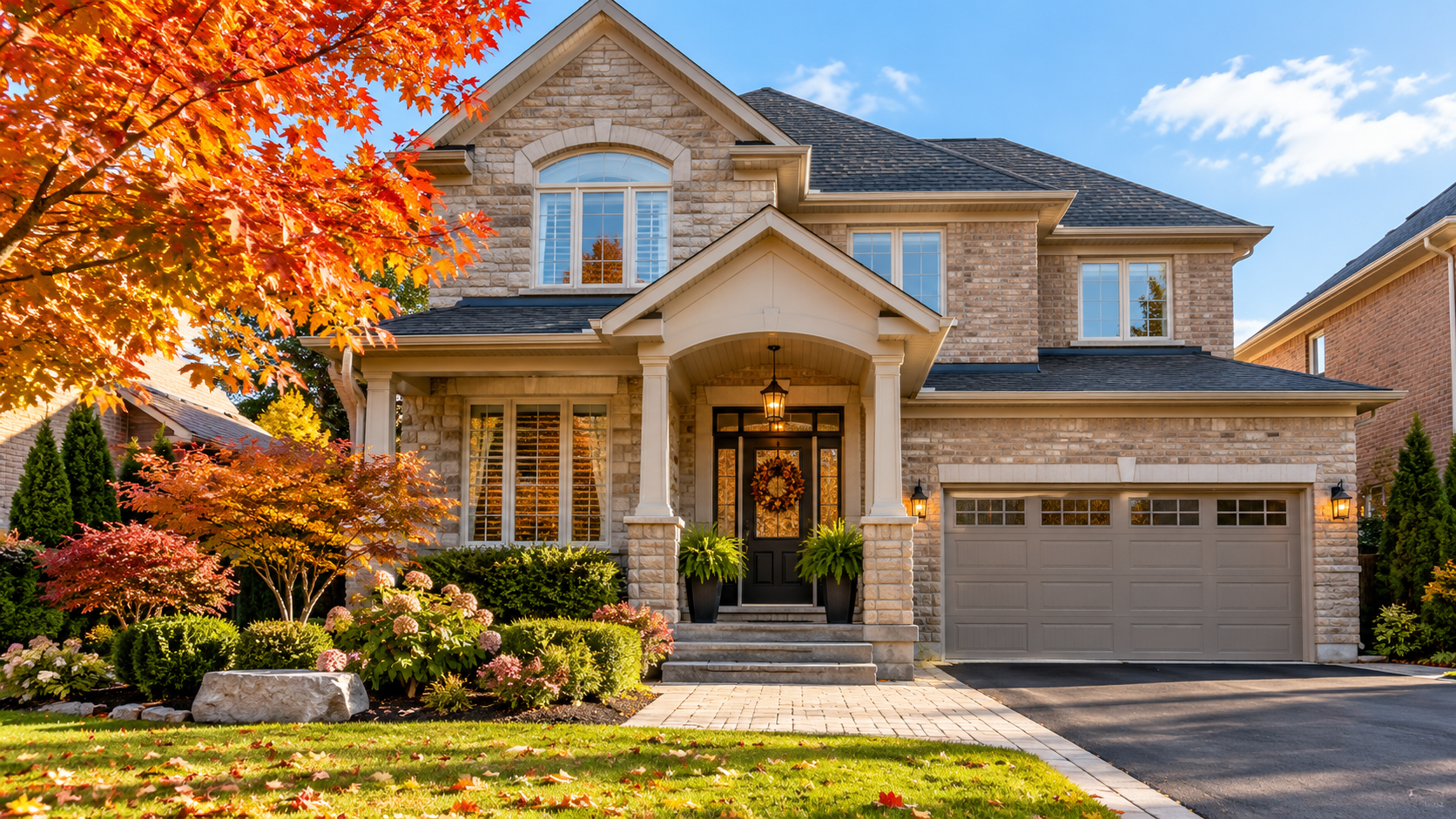
Selling Your Home This Fall? The Preparation Buyers Notice

Thinking about selling your home in Brampton or the GTA? Before you start renovating, consider what buyers will actually notice.

When homeowners decide to sell, one of the first questions that often comes up is whether they should spend money improving their property before putting it on the market.  Should you repaint?  Replace outdated flooring? Update the kitchen?  Or simply clean, declutter and list the home as it is?  The answer isn't always straightforward.

Not every improvement will deliver the same value, and spending more doesn't necessarily mean selling for more.  The key is understanding your home's condition, your likely buyers and where your preparation budget could make the most sense.


1. Start With What Buyers Notice First

Before considering expensive improvements, take an honest look at your home from a buyer's perspective.  When someone walks through the front door, what impression does the property create?

Buyers may notice things homeowners have become accustomed to seeing every day, such as:

  • Scuffed walls or damaged trim

  • Loose handles, dripping taps or minor repairs

  • Cluttered rooms that make spaces difficult to appreciate

  • Poor lighting or neglected exterior areas

  • Strong odours or visible signs of moisture

These details don't necessarily determine a home's value, but they can influence how buyers experience the property.  Sometimes, addressing basic maintenance and presentation concerns is a more sensible starting point than committing to major renovations.


2. Don't Assume Every Renovation Will Pay for Itself

It's understandable to want your home looking its best before listing.  However, there's an important difference between improving a property for your own enjoyment and preparing it for resale.

A kitchen renovation costing thousands of dollars may create a beautiful space, but that doesn't guarantee you'll recover the full investment when you sell.  The same applies to bathroom renovations, flooring replacements and other significant upgrades.

Before committing to a project, consider:

  • How does your home compare with recently sold properties nearby?

  • Are similar homes selling successfully without major updates?

  • Will the improvement address a meaningful concern or simply reflect personal taste?

  • How much time and money will the work require?

A practical approach is to compare the potential benefits with the cost, disruption and timing of the work.

The goal isn't to create the most expensive home on the street. It's to prepare your property appropriately for its market.


3. Focus on Cleanliness, Space and Natural Light

A clean, uncluttered home allows buyers to appreciate the space without unnecessary distractions.  Simple steps such as clearing countertops, removing unnecessary furniture and organizing storage areas.  Where possible, open curtains and blinds to bring in natural light, and replace burned-out light bulbs.

You don't need to remove every personal item. The goal is to help buyers see the home's layout, functionality and potential.


4. Don't Overlook the Exterior

First impressions begin before buyers enter the home.

During the fall, simple maintenance such as clearing leaves, tidying landscaping, cleaning the entrance and keeping walkways in good condition can make a difference.  A well-maintained exterior helps create a welcoming first impression without requiring major landscaping expenses.


5. Address Important Concerns, Not Just Cosmetic Details

While presentation matters, buyers may also have questions about the property's overall condition.

Issues involving water intrusion, heating, electrical systems or structural concerns deserve appropriate attention.  If you're aware of a significant problem, don't assume fresh paint or cosmetic improvements will resolve it.

Depending on the concern, obtaining advice from a qualified professional may help you understand the issue, potential repair costs and your options before listing.  It's also important to provide accurate information about the property.

According to the Real Estate Council of Ontario (RECO), its Seller’s Checklist emphasizes the importance of providing accurate information when listing a property.  This includes details about renovations, property features, property taxes and items included in the sale.  RECO also recommends having supporting documents, such as receipts or invoices, available whenever possible.

Preparation should be about presenting your home well while remaining transparent about its condition.


6. Let Your Local Market Help Guide Your Decisions

What makes sense for one property may not make sense for another.

A detached home in Brampton may attract buyers with different priorities than a condominium in Mississauga or a townhouse in Vaughan.  Property type, price range, location and competing listings all influence how buyers evaluate their options.

According to the Toronto Regional Real Estate Board, GTA home sales in September 2026 were 9% lower than in September 2025, while the average selling price declined 5.1% year over year.  These figures provide broader market context, but they don't tell us which improvements will help an individual Brampton property sell.

That's why local comparable sales and competing listings are more useful when deciding how much preparation is appropriate. Before investing in upgrades, review what similar homes offer and how their condition compares with yours.

A thoughtful preparation plan should be based on evidence, not assumptions.


7. Make a Plan Before Spending Money

Rather than tackling every possible improvement, divide your preparation into three categories:

  • Essential attention: Safety concerns, significant maintenance issues and repairs that require professional assessment.

  • Practical improvements: Cleaning, decluttering, minor repairs and exterior upkeep.

  • Optional upgrades: Cosmetic changes or renovations that may improve presentation but require a larger investment.

This approach helps you prioritize the work and understand where your time and money may be best spent.  It also allows you to consider your selling timeline, available budget and personal circumstances.

Sometimes the best decision is to complete a few carefully chosen improvements. Other times, selling the property in its current condition, with an appropriate pricing strategy, may be worth considering.


Final Thoughts

Preparing a home for sale doesn't have to mean renovating every room or spending thousands of dollars.

What matters is understanding your property's condition, the expectations of likely buyers and how your home compares with the competition.  A well-considered preparation strategy can help you make more confident decisions without committing to unnecessary expenses.

Before you start spending, make sure you understand what you're trying to accomplish.


Explore Your Options

Thinking about selling your home in Brampton or elsewhere in the GTA?

Before investing in repairs or renovations, it may be helpful to understand how your property compares with others in your local market.

I'm always happy to offer honest guidance, practical advice and local market insight to help you evaluate your options.



Sources

Read

Buying a Home in the GTA? Look Beyond the Asking Price

When you're searching for a home, how much attention should you give to the asking price?

It's usually one of the first things buyers notice. A home listed below their budget may immediately catch their attention, while one priced slightly higher might be overlooked.  But an asking price doesn't always tell the full story.

Whether you're purchasing your first home in Brampton or considering a move elsewhere in the Greater Toronto Area (GTA), understanding what sits behind that number can help you make a more informed decision.

The goal isn't simply to find a home with an attractive price tag. It's to understand what you're buying, what it may cost you, and whether it makes sense for your circumstances.


1. The Asking Price Isn't Necessarily the Market Value

One of the most common misconceptions in real estate is assuming that a property's listing price accurately reflects what it's worth. 

In reality, sellers may use different pricing strategies depending on the property, competition and market conditions.  Some homes are listed close to recent comparable sales. Others may be priced to encourage more showings or attract offers.

That's why it's important to review what similar properties have actually sold for, rather than relying entirely on asking prices.

Consider:

  • Recent selling prices of comparable homes

  • Property size, layout and condition

  • Location and neighbourhood features

  • How long similar properties have been listed

A home listed at $850,000 isn't automatically a better opportunity than one listed at $875,000. The differences between the properties—and what buyers are paying for similar homes—matter.

The asking price starts the conversation. It shouldn't end your research.


2. Consider the True Cost of Owning the Home

The purchase price is a major financial commitment, but it isn't the only expense involved in homeownership. Before making an offer, consider what the property may cost you each month and what expenses you'll face at closing.

These can include:

  • Mortgage payments and property taxes

  • Home insurance and utilities

  • Condominium or maintenance fees, where applicable

  • Repairs and ongoing property maintenance

  • Land transfer tax, legal fees and other closing costs

For example, two homes with similar purchase prices may have very different monthly expenses.  A condominium with higher maintenance fees could cost more to carry each month than another property with a slightly higher purchase price.

Understanding these differences helps you evaluate affordability beyond the amount you offer.  It's also worth reviewing your budget with a qualified mortgage professional before committing to a purchase.


3. Look Carefully at the Property's Condition

A beautifully presented home can make a wonderful first impression.  Fresh paint, attractive furniture and updated finishes may catch your eye, but they don't necessarily tell you about the condition of the home's major systems.

Before making a decision, consider the age and condition of the:

  • Roof, windows and doors

  • Heating and cooling systems

  • Plumbing and electrical systems

  • Foundation and visible signs of moisture

Ask questions about renovations, permits and maintenance history when relevant.  A professional home inspection can provide valuable information about the property's visible condition and potential concerns, although it cannot identify every hidden problem.

A home requiring updates isn't necessarily a poor purchase. However, understanding the likely costs and responsibilities can help you decide whether it fits your plans.


4. Think About the Location Beyond the Address

You can renovate a kitchen or update flooring, but you can't change where a home is located.  When exploring Brampton or other GTA communities, consider how the location will support your everyday life.  Think about your commute, nearby amenities, access to transit, schools where relevant, and the type of neighbourhood you prefer.

It's also helpful to visit the area at different times of day.  A neighbourhood that feels quiet on a Sunday afternoon may have a very different atmosphere during weekday rush hour.

The right location is personal. What works beautifully for one household may not be the best fit for another.


5. Understand the Terms of Your Offer

An offer involves more than the purchase price. 

The closing date, deposit, included items and conditions can all influence the agreement.  For example, depending on your circumstances, you may want to discuss conditions relating to financing or a home inspection.  These conditions can provide important protections, although their suitability depends on the transaction and the risks involved.

It's also important to understand what appliances, fixtures or other items are included in the purchase.

Before signing, make sure you understand the agreement and have had the opportunity to ask questions.  A well-considered offer should reflect both your interest in the property and the level of risk you're comfortable accepting.


6. Don't Confuse a Price Reduction With a Bargain

Seeing a property advertised with a reduced asking price can be exciting.  But a reduction doesn't automatically mean the home is now undervalued.

Perhaps the original asking price was above what comparable properties supported. Maybe competing listings offered features that buyers preferred.

The more useful question is whether the property's current price is reasonable when compared with recent sales, its condition and the alternatives available.

A price reduction is information worth investigating—not proof of a bargain.


Final Thoughts

Buying a home is about much more than finding a property within your budget.  It's about understanding its value, evaluating the ongoing costs, recognizing potential concerns and deciding whether it suits your needs.

The asking price is important, but it represents only one part of the decision.

Taking the time to look beyond that number can help you approach your purchase with greater clarity and realistic expectations.

Explore Your Options

Thinking about buying a home in Brampton or elsewhere in the GTA?

Whether you're beginning your search or already viewing properties, understanding the details behind a listing can make a meaningful difference.

I'm always happy to offer honest guidance, local market insight and a thoughtful approach to helping you explore your options.


Sources

Read

Before You Set an Asking Price: What GTA Sellers Should Review First

How do you decide what your home should be listed for in today's real estate market?

For many homeowners in Brampton and across the Greater Toronto Area (GTA), choosing an asking price is one of the most important decisions when preparing to sell. You may have a price in mind based on what a neighbour received, what you paid for your home, or how much you hope to walk away with after closing.

Those factors may be understandable, but they don't necessarily reflect what today's buyers are willing to pay.  A thoughtful pricing strategy starts with understanding the market, your property's position within it, and the alternatives available to potential buyers.


1. Start With Recent Comparable Sales

One of the most useful starting points is reviewing recently sold properties that are genuinely comparable to yours.

Look beyond the neighbourhood name. Consider properties with a similar:

  • Property type and size

  • Number of bedrooms and bathrooms

  • Lot size, layout and parking

  • Overall condition and level of updating

  • Location and nearby amenities

The final selling prices of comparable homes provide evidence of what buyers have recently agreed to pay.  However, no two properties are identical. A renovated detached home and an older detached home requiring significant work may attract different buyers, even if they are located on the same street.

The goal is not to find one sale that supports a preferred price. It is to understand the range of relevant sales and the differences that may affect your property's value.


2. Understand Your Competition

Recently sold homes tell you what buyers have paid. Active listings help you understand what buyers can choose from right now.  If several similar homes are available in your area, buyers may compare their prices, condition, layouts and features before deciding which properties to visit.

Consider these questions:

  • How many similar homes are currently listed nearby?

  • Are comparable properties offering more updates or desirable features?

  • Have competing listings reduced their asking prices?

  • How long have similar homes been on the market?

An asking price is not proof of market value. A property can be listed at a certain amount without attracting an offer at that price.

Reviewing both sold properties and current competition helps create a more realistic picture of where your home fits in the market.


3. Look at the Wider Market, But Don't Ignore Local Conditions

Market statistics provide useful context, but GTA-wide averages should not determine the asking price of an individual property.

According to the Toronto Regional Real Estate Board's September 2026 market report, the GTA recorded 5,040 home sales, down 9% compared with September 2025. The average selling price was $1,006,409, a year-over-year decrease of 5.1%.  These figures indicate that the broader market was experiencing softer sales activity and lower average prices than a year earlier.

However, they do not mean every Brampton property has lost the same percentage of value. Results can vary by neighbourhood, property type, price range and individual condition.

For a seller, the more useful question is: What are buyers paying for homes like mine, in my area, right now?

That is where current local comparable sales become particularly important.


4. Consider Your Home's Condition and Presentation

Pricing is only one part of preparing a property for sale. Buyers also assess what they see during photographs, showings and visits. 

Before listing, review your home's condition objectively.  Are there minor repairs that could be completed before photographs are taken? Would a thorough cleaning, decluttering or improved lighting help rooms feel more inviting? Are there maintenance concerns that buyers are likely to notice?

In some cases, practical improvements and careful presentation may be more appropriate than spending heavily on upgrades.  The right preparation doesn't always require a major renovation; focusing on visible maintenance issues, cleanliness and presentation can help buyers better appreciate your home's features.

The important step is to understand which improvements make sense for your property, likely buyers and budget before committing to the expense.


5. Separate Your Asking Price From Your Financial Goals

Your financial circumstances matter when planning a sale.  You may need a certain amount to purchase your next home, pay off an existing mortgage or cover moving and closing expenses. These are important considerations when deciding whether and when to sell. 

However, your desired proceeds and your property's market value are two different things.  A useful planning exercise is to estimate your potential net proceeds after accounting for your mortgage balance, applicable selling costs, legal fees and moving expenses.

This helps you understand what different sale prices could mean for your next steps.  It also allows you to have a more informed discussion about whether your expectations align with current market evidence.


6. Choose a Pricing Strategy, Not Just a Number

Once you understand recent sales, current competition, your home's condition and your financial goals, you can evaluate an appropriate asking price.  An asking price that is not well supported by comparable sales and current competition may reduce buyer interest or lead to fewer showings. The impact will depend on the property and market conditions.

Pricing too low without a clear strategy can also create uncertainty about how offers may develop.  Neither approach guarantees a particular result.

A well-supported pricing recommendation should explain the evidence behind the suggested range, the competition your home will face and the reasoning behind the proposed listing price.  It should also include a plan to review buyer feedback and market activity after the property launches.

You deserve to understand not only what price is being recommended, but why.


Final Thoughts

Selling a home is a significant financial decision, and choosing an asking price deserves more than a guess or an assumption based on what another homeowner received.

Recent comparable sales, active competition, local market conditions and your property's individual characteristics all help inform the decision.

The strongest starting point is an honest conversation about the evidence, your expectations and the options available to you.

Explore Your Options

Thinking about selling your home in Brampton or elsewhere in the GTA? You don't have to make pricing decisions based on guesswork.

I'm here to help you review the relevant market information, understand your options and make informed decisions with honest guidance and local market insight.


Sources

Read

Thinking About Moving? Start by Understanding Your Options.

Have you been thinking about buying a home, selling your current property, or making a move in the next year or two, but you’re not sure where to begin?

You don’t need to have every answer before taking the first step. Whether you’re planning a move in Brampton or elsewhere in the Greater Toronto Area (GTA), understanding your options can help you make a more informed decision without feeling pressured to act before you’re ready.


You Don’t Have to Be Ready to Move

Many people assume they should only speak with a REALTOR® when they’re prepared to buy or sell. In reality, starting the conversation earlier can give you more time to plan.  Perhaps your family needs more space, you’re considering downsizing, or you’re wondering whether staying in your current home makes more sense financially.

These are worthwhile questions to explore before committing to anything.  Understanding the process, the potential costs and the local market can help you decide what makes sense for your circumstances.

Sometimes, gathering information confirms that moving is the right choice. Other times, it helps you realize that waiting is the better option.

Both outcomes can be valuable.


If You’re Thinking About Selling

Before putting your home on the market, it’s important to understand what your property may realistically sell for and how current market conditions could affect your plans.  Looking at nearby listings can be helpful, but asking prices don’t tell the whole story. Recent comparable sales, your property’s condition, its features and competing listings all deserve consideration.

It’s also important to look beyond the potential sale price. If you’re planning to purchase another home, consider the costs associated with both transactions, including closing costs and moving expenses.  A little preparation can help you establish a realistic budget, choose an appropriate timeline and understand what your next move might involve.

You don’t have to list your home immediately to begin exploring these questions.


If You’re Thinking About Buying

Buying a home involves more than finding a property you love. It’s also about understanding what you can comfortably afford and choosing a home that fits your needs.

Before starting your search, consider speaking with a mortgage professional to understand your financing options. Remember to account for expenses beyond the purchase price, including property taxes, insurance, maintenance and closing costs.

Next, think about your priorities.  Do you need additional space? Is proximity to work, family or public transit important? Which features are essential, and where could you compromise?  Having a clearer picture of your needs can help you focus your search and make decisions with greater confidence.

The goal isn’t simply to purchase a property. It’s to find a home that makes sense for your lifestyle and financial circumstances.


Why Local Market Knowledge Matters

Real estate conditions can vary between neighbourhoods, property types and price ranges. What’s happening across the GTA doesn’t necessarily reflect the conditions affecting a particular segment of Brampton’s housing market.  Local inventory, comparable sales and buyer demand can all influence the decisions buyers and sellers need to make.

Market information is a useful starting point, but it cannot guarantee what an individual property will sell for or how prices will change in the future.

Understanding the conditions relevant to your situation can help you ask better questions, weigh your choices and prepare for the next step.


You Can Start With a Conversation

You don’t need a moving date, a property picked out or a firm decision before asking questions.  Sometimes, the most useful first step is simply discussing your circumstances and understanding the possibilities available to you.

My approach is to listen first, provide honest guidance and help you understand the factors that matter to your decision. That means recognizing that everyone’s needs, priorities and timelines are different.

You deserve to feel informed rather than pressured, whether you’re planning to move soon or simply considering your options for the future.


Final Thoughts

Buying or selling a home is a significant decision, and you deserve the time and information needed to make it thoughtfully.

Whether you’re considering a move in Brampton or elsewhere in the GTA, start by understanding your options. You may discover that the time is right to move, or you may decide that waiting better suits your plans.  Either way, having a clearer picture of your choices puts you in a better position to decide what comes next.


Explore Your Options

Thinking about making a move? Whether you’re buying, selling, or simply weighing your options, I’m here to offer honest guidance and local market insight.

You don’t need to have all the answers before we talk. Let’s start with your questions and explore what makes sense for you.


Sources

Read

Should You Buy a Home in the GTA This Fall or Wait Until 2027?

Is fall 2026 a good time to buy a home in the Greater Toronto Area (GTA), or would waiting until 2027 put you in a better position? With home prices lower than a year ago and economic uncertainty affecting buyer confidence, it is understandable to question whether now is the right time to make a move. The answer depends on more than market timing. Your financial stability, housing needs and local market conditions all matter. Understanding the latest numbers can help you weigh your options without feeling pressured to rush into a decision.


What Do the September 2026 GTA Real Estate Statistics Tell Us?

According to the Toronto Regional Real Estate Board (TRREB), the GTA housing market remained cautious in September.

Here are the key numbers:

  • Home sales: 5,040, down 9% year over year.

  • New listings: 16,500, down 14.4% year over year.

  • Average selling price: $1,006,409, down 5.1% year over year.

  • MLS® Home Price Index Composite benchmark: Down 4.7% year over year.

These figures suggest that buyers remain cautious amid economic uncertainty and concerns about borrowing costs. At the same time, fewer new listings entered the market compared with September 2025.

For buyers, lower average prices may create opportunities to explore properties that previously felt out of reach. However, GTA-wide statistics do not tell the whole story. Conditions can differ significantly between Brampton, Mississauga, Toronto and individual neighbourhoods.

The important takeaway is that understanding your local market matters more than relying on a regional average alone.


1. Why Buying a Home This Fall Could Make Sense

For some buyers, the current GTA real estate market may offer a reasonable opportunity to move forward.

  • You may have more time to make an informed decision:  When competition for a particular property is limited, you may have more time to compare homes, review recent sales and consider your options. Depending on the property, there may also be room to negotiate price or conditions.

NOTE:  That does not mean every seller is willing to negotiate or every home is a bargain. Researching comparable properties is essential before deciding what a home is worth.

  • Your finances are ready:  If you have a suitable down payment, manageable debt, stable income and savings for unexpected expenses, you may be better positioned to consider a purchase.

NOTE:  Remember to budget for closing costs, property taxes, insurance, utilities and ongoing maintenance in addition to your mortgage payments.

  • You have a clear reason to move:  Perhaps your family needs more space, you want to be closer to work or your current home no longer meets your needs.

NOTE:  If you expect to stay in your next property for several years, your decision may depend more on long-term suitability than on short-term market movements.


2. Why Waiting Until 2027 Could Be the Better Choice

Waiting is not necessarily a missed opportunity. It can be a sensible decision if you need more time to prepare.

  • You want to strengthen your financial position:  If you need to increase your savings, reduce debt or establish a more comfortable monthly budget, waiting could help you approach homeownership with greater confidence.

  • You are hoping mortgage rates will improve:  The Bank of Canada held its overnight policy rate at 2.25% on September 2, 2026. Its next scheduled rate announcement is October 28, 2026.

NOTE: However, the overnight policy rate is not the same as your mortgage rate. Fixed mortgage rates and variable mortgage rates respond to different factors, and future changes are not guaranteed. Waiting could bring a more favourable borrowing environment, but it could also mean facing different home prices or competition. It is important to consider several possible outcomes rather than rely on one prediction.

  • You are still deciding where you want to live:  If you are unsure about your preferred neighbourhood, commute or property type, additional research may be worthwhile.

NOTE:  Buying a home simply because prices appear attractive can lead to a decision that does not suit your longer-term plans.


3. Will GTA Home Prices Fall Further?

Home prices could decline further, stabilize or move differently depending on the location and property type. September’s statistics show that the average selling price was lower than a year earlier, but they cannot tell us exactly what prices will do in 2027.  Economic conditions, employment confidence, borrowing costs, housing supply and buyer demand can all influence the market.

Rather than trying to guess when prices will be at there lowest, ask yourself a more important question:

Does this property make financial and personal sense at today’s price?

Compare similar recent sales, evaluate the home’s condition and understand your likely ownership costs. A property that fits your budget and needs may be worth considering even when the wider market remains uncertain.


4. Five Steps to Take Before Buying a Home in the GTA

Whether you are considering Brampton, Mississauga or another GTA community, preparation can help you make a more informed decision.

  1. Set a realistic budget. Calculate what you can comfortably afford each month, including expenses beyond your mortgage.

  2. Review mortgage options. Speak with a qualified mortgage professional about rates, payments and down payment requirements.

  3. Research your neighbourhood. Compare recent sales for similar homes instead of relying only on regional averages.

  4. Prioritize your needs. Identify your must-haves and decide where you can compromise.

  5. Consider your future plans. Think about how long you expect to stay and whether the purchase leaves you with an adequate financial cushion.

First-time buyers should also ask about applicable government programs and eligibility requirements.

The objective is not to rush into the market. It is to be prepared to recognize a suitable opportunity when one becomes available.


Final Thoughts:  Should You Buy Now or Wait?

There is no universal answer to whether buying a home in the GTA this fall is better than waiting until 2027.

September’s market statistics show softer prices and fewer transactions than a year earlier. These conditions may create opportunities for some buyers, but they do not guarantee further price declines or better mortgage rates in the months ahead.

The right decision depends on your finances, your housing needs and the specific property you are considering. You do not need to predict the market perfectly. You need to understand your options and make a decision that fits your circumstances.

Explore Your Options

Thinking about making a move? With honest guidance and local market insight, you can explore your options, understand the trade-offs and decide on a timeline that works for you.


Sources


*** Market statistics reflect September 2026 reporting. Interest rates and market conditions can change. This article is for general informational purposes and is not financial or mortgage advice.

Read

Buying a Home in the GTA: How to Decide if the Timing is Right For You.

Have you been thinking about buying a home, but keep telling yourself you should wait a little longer?  Or maybe you’re considering selling, but you’re wondering if now is really the right time.  If that sounds familiar, you’re not alone.

When the real estate market feels uncertain, it’s easy to get caught up in headlines, predictions and opinions about what might happen next. And when you’re making one of the biggest financial decisions of your life, wanting some certainty is completely understandable.

But here’s something I believe is worth considering:

The right real estate decision isn’t necessarily about predicting what the market will do next. It’s about understanding your options and deciding what makes sense for you.


Is There Really a “Right” Time to Buy?

We often hear that buyers should wait for prices to drop or that sellers should wait for the market to improve.  But real estate rarely works that simply.

There will always be someone predicting that prices are going higher and someone else saying they are going lower.  The truth is, nobody knows exactly what the market will look like six months from now.

What you can know is your own financial situation, your priorities and what you’re comfortable with.  That’s where I think the conversation should begin.

If you’ve been thinking about buying, ask yourself:

  • Is my current housing situation still working for me?

  • Am I financially prepared for homeownership?

  • Do I have a realistic understanding of what I can afford?

  • Am I planning to stay in the home long enough for the move to make sense?

  • Have I taken the time to understand the neighbourhoods and properties I’m considering?

You don’t need to have every answer figured out before you start exploring.  Sometimes, simply understanding what is available can help you decide whether you’re ready — or whether waiting makes more sense.


What Can a Slower Market Mean for Buyers?

When fewer buyers are competing for the same properties, buyers may have more time to think before making a decision.  Depending on the property, there may be opportunities to negotiate on price, conditions or closing dates.

But I want to make one thing clear:

A slower market doesn’t mean every home is a bargain.

The asking price still matters. So does the condition of the property, its location, comparable sales and how much competition exists for that particular home.  This is why I don’t believe buyers should simply look for the cheapest house they can find.

The better question is:

“Does this home make sense for me at this price?”

That requires looking at the bigger picture.


What About Homeowners Thinking About Selling?

Selling can be even more emotional.  Your home is not just a number on a listing sheet. It’s where you’ve created memories, raised your family, celebrated milestones and built a life.  So when the market isn’t where you hoped it would be, it can be difficult to consider selling.

But sometimes life changes before the market does.  Maybe you need more space.  Maybe you’re ready to downsize.  Maybe you want to be closer to family.  Maybe your job or lifestyle has changed.  Or perhaps your current home simply doesn’t fit the life you have today.

If that’s the case, waiting indefinitely for the “perfect” market may not necessarily be the best solution.  Instead, start by understanding what your home could realistically sell for and what your next move could look like.


What If You Need to Sell and Buy?

This is where having a strategy becomes especially important.  If you’re selling your current home and purchasing another property, you’re not making one decision — you’re managing two sides of the transaction.

You need to think about:

  • What your current home could realistically sell for

  • Your remaining mortgage

  • Closing and moving costs

  • Your expected proceeds

  • What you can comfortably afford for your next home

  • How the timing of the two transactions could work together

It’s easy to focus on the price of the home you’re selling or buying.  But what really matters is the overall financial picture.

Sometimes the market creates challenges on one side of the transaction while creating opportunities on the other.  Understanding both sides can help you make a much more informed decision.


Should You Wait for the Market to Become “Better”?

This is probably one of the hardest questions to answer.  If you’re waiting for prices to fall further, how much lower would they need to go before you felt comfortable?  If you’re waiting for interest rates to change, what happens if the change doesn’t happen when you expect?  And if you’re waiting for more certainty, what would actually make you feel certain enough to move?

These are important questions because waiting is also a decision.  Sometimes waiting is absolutely the right choice.

Perhaps you need more time to save for a down payment. Maybe you need to improve your financial position. Or perhaps your current home is working perfectly well for you.  There is nothing wrong with waiting when waiting is part of a thoughtful plan.

But waiting simply because you’re afraid of making the wrong decision can leave you stuck.


You Don’t Have to Decide Today

This is something I wish more people knew.  Talking to a REALTOR® does not mean you have to buy or sell a home tomorrow.

  • You can ask questions.

  • You can look at what’s available.

  • You can discuss what your current home might be worth.

  • You can explore different neighbourhoods.

  • You can have a conversation about what your options might look like.

And then you can take the information and decide what feels right for you.  I believe that’s what good real estate guidance should look like.

~Not pressure.  Not trying to convince you that “now is the time.”  

~Just honest information, thoughtful planning and a strategy based on your individual circumstances.


Final Thoughts

There may never be a perfect time to buy or sell a home.  There will always be another headline, another forecast and another opinion about where the market is going.

Instead of trying to predict the future, focus on what you can control.

  1. Understand your finances.

  2. Understand your local market.

  3. Understand your choices.

And most importantly, understand why you’re considering making a move in the first place.  Because the right time to move isn’t necessarily when someone tells you the market is ready.  It’s when the move makes sense for you.


Thinking about making a move? Whether you’re considering buying, selling, or simply trying to understand what your options look like, I’m here to have an honest conversation with you.

EXPLORE YOUR OPTIONS 

You don’t need to have everything figured out before reaching out. Let’s talk about your goals, look at the local market and determine what makes sense for your situation.

~Honest guidance and local market insight — without the pressure.

Read

September 2026 GTA Real Estate Market: What Buyers and Sellers Should Actually Take From the Numbers

Are GTA buyers waiting for the market to give them a clearer signal before making their next move?

The latest September 2026 numbers from the Toronto Regional Real Estate Board (TRREB) suggest that many are.The GTA market remains cautious, with buyers weighing affordability, borrowing costs and broader economic uncertainty. At the same time, fewer homes came onto the market compared with last year, while selling prices continued to trend lower.

But what do these numbers actually mean if you’re thinking about buying or selling?


September 2026 GTA Market at a Glance

According to TRREB:

  • 5,040 homes were sold, down 9% compared with September 2025.

  • 16,500 new listings came onto the market, down 14.4% year-over-year.

  • The average selling price was $1,006,409, down 5.1% from September 2025.

  • The MLS® HPI Composite benchmark was down 4.7% year-over-year.

TRREB also reported that economic uncertainty continued to keep many buyers in a holding pattern. So, what should buyers and sellers actually take from this?


What the September Numbers Mean for Buyers

*For buyers, a slower market can create opportunities that weren’t always available during more competitive periods. Prices are lower than they were a year ago, and buyers may have more opportunity to negotiate depending on the property, location and circumstances.

But lower prices don’t automatically mean a home is affordable.  Before making a purchase, buyers should consider the full financial picture — including the mortgage payment, property taxes, insurance, maintenance and closing costs.

The more important question isn’t simply:

“Are prices going down?”

It’s:

“Does buying make sense for me right now?”

If your finances are stable, you’ve found a home that meets your needs and you’re comfortable with the costs, a slower market may give you more time to make a thoughtful decision.  And if you’re not ready, waiting can also be the right choice.  The key is knowing what you’re waiting for and what would need to change before you’re ready to move forward.


What the September Numbers Mean for Sellers

*For sellers, the current market reinforces the importance of having a strategy before putting a home on the market.

With sales down 9% year-over-year, buyers have less reason to feel pressured into making a decision quickly.  That means pricing and presentation matter.  Your asking price needs to reflect current market conditions, comparable sales, competing properties and the condition and location of your home.

The highest possible asking price isn’t necessarily the best strategy.

An overpriced home can sit on the market, lose momentum and eventually require price adjustments.  A well-researched pricing strategy can help attract serious buyers from the beginning.


Don’t Treat the GTA as One Single Market

The experience of a detached homeowner in Brampton can be very different from that of a condominium owner in Toronto. Neighbourhood, property type, price range, condition and buyer demand all influence how a specific property performs.

That is why GTA-wide statistics are useful for understanding the broader direction of the market, but they shouldn’t be used on their own to determine what one particular home is worth.


So, Should You Buy, Sell or Wait?

There isn’t one answer.  For some buyers, today’s market may offer more negotiating room and less competition. For some sellers, today’s conditions mean preparation and realistic pricing are more important than ever.  And for others, waiting may be the right decision.

What matters is understanding why you’re making the decision and having enough information to make it confidently.  Real estate decisions shouldn’t be based on a headline, a neighbour’s sale or one month’s statistics.  They should be based on your financial position, your timeline, your goals and the specific property or market you’re dealing with.


Final Thoughts

The September 2026 GTA market remains cautious. Sales and new listings are down from last year, while average selling prices and benchmark prices have also declined.  But a slower market doesn’t mean there are no opportunities.  It means the quality of the decision matters more.

Whether you’re thinking about buying, selling or simply trying to understand what the current market means for you, having the right information can make the process much less overwhelming.

Explore Your Options

Thinking about making a move? Whether you’re buying, selling or simply trying to understand what today’s market means for you, I believe you deserve honest guidance and local market insight before making a decision.

⸻

Sources

Toronto Regional Real Estate Board (TRREB),  Economic uncertainty kept GTA homebuyers on the sidelines in September — October 6, 2026.

Toronto Regional Real Estate Board (TRREB), September 2026 Market Statistics.

Read

Small Home Maintenance Problems That Can Hurt Your Home’s Value in the GTA

Could a small home issue today turn into a major expense tomorrow? 🏡

Many homeowners put off minor repairs thinking they can deal with them later, but in today’s GTA market, small maintenance problems can quickly affect not only your finances, but also your home’s long-term value and buyer appeal. As buyers become more selective and inspections more detailed, regular upkeep matters more than ever.


Why Preventative Maintenance Matters

A well-maintained home does more than look good — it protects your investment over time.  Ignoring smaller issues can eventually lead to:

  • Expensive repairs

  • Water or structural damage

  • Reduced buyer confidence

  • Lower resale value

  • Longer time on the market

Today’s buyers are paying close attention to how a home has been cared for, especially with higher ownership costs and cautious spending habits across the GTA market.


Common Small Problems That Become Bigger Issues

🚰 Minor Leaks

Small plumbing leaks under sinks or around toilets can eventually lead to:

  • Mold growth

  • Damaged flooring

  • Cabinet deterioration

  • Costly water repairs

🏠 Roof & Gutter Maintenance

Ontario weather can be hard on roofing systems throughout the year.  Neglected gutters and damaged shingles may contribute to:

  • Ice damming

  • Water penetration

  • Foundation drainage problems

  • Interior ceiling damage

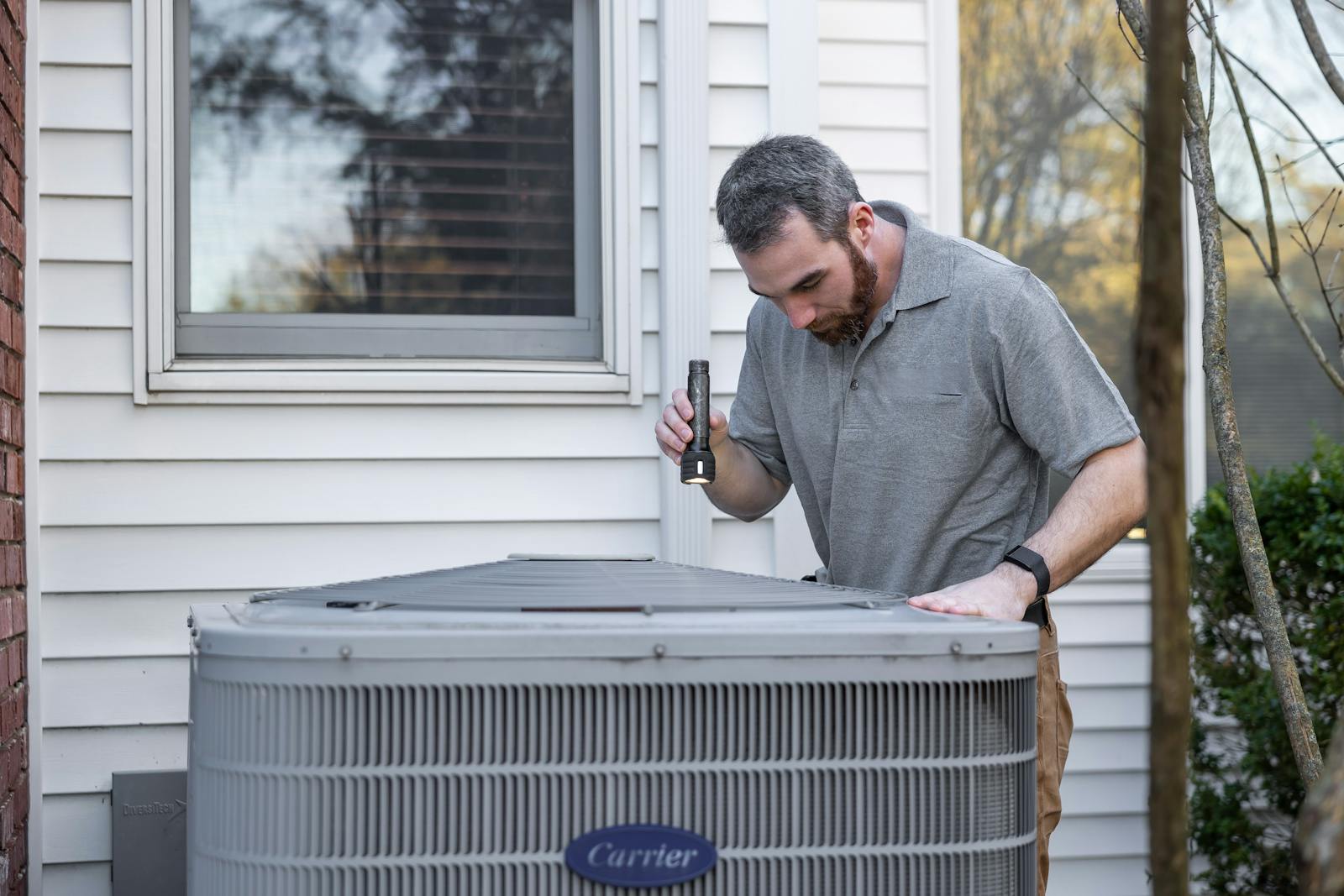
❄️ HVAC Servicing

Regular furnace and air conditioning maintenance helps:

  • Improve efficiency

  • Extend equipment lifespan

  • Reduce utility costs

  • Prevent unexpected breakdowns

Buyers often notice when mechanical systems appear poorly maintained.

🪟 Windows & Caulking

Drafty windows and deteriorating caulking can increase:

  • Energy costs

  • Moisture intrusion

  • Heat loss during Ontario winters

Simple maintenance can make a noticeable difference.

🧱 Foundation Cracks

Not every crack is serious, but ignoring them can create larger concerns over time.  Buyers and inspectors tend to pay close attention to:

  • Water seepage

  • Structural movement

  • Drainage issues


Buyers Notice Signs of Neglect

In today’s market, buyers are more cautious and detail-oriented than they were during peak competitive years. Homes showing signs of deferred maintenance may create concerns about:

  • Hidden repair costs

  • Future expenses

  • Overall property care

Even small issues can influence how buyers emotionally view a home.


Small Upkeep Can Protect Long-Term Value

The good news is many maintenance items are relatively affordable when addressed early.  Routine upkeep helps:

  • Preserve property value

  • Improve marketability

  • Reduce major repair risks

  • Maintain buyer confidence

  • Protect your long-term investment


📍 Final Thoughts

The homes that tend to stand out in today’s GTA market are not always the most renovated — they’re often the ones that have been consistently cared for over time. Small maintenance decisions today can help prevent larger financial surprises later while protecting the value of your home for years to come.

Thinking about making a move? Whether you’re buying, selling, or just keeping an eye on today’s market, every neighbourhood and home is different. If you have questions about your next move or what’s happening in your area, feel free to reach out anytime — I’m always happy to offer honest guidance and local market insight.

Explore Your Options

✨ Long-term home value is often built through consistent care, not just major renovations.

Read

GTA Renovation ROI: What’s Actually Worth Doing Before Selling Your Home in 2026

Thinking about renovating before selling your GTA home — but worried you won’t get your money back?  

In today’s GTA market, that’s a valid concern.  With buyers becoming more price-sensitive, increased inventory across many areas, and homes taking longer to sell compared to previous years, not every renovation delivers a strong return anymore. In fact, many sellers are over-improving their homes and spending tens of thousands of dollars on upgrades buyers simply are not willing to fully pay for in 2026.  

The good news?

You do not need a full HGTV-style transformation to make your home stand out.  The sellers seeing the strongest results right now are focusing on strategic improvements — the updates that make a home feel clean, bright, well-maintained, and move-in ready without overspending.


🛠️ Renovations That Usually Deliver the Best ROI

🎨 Fresh Paint

One of the simplest and most effective upgrades.  Neutral tones instantly make spaces feel:

  • brighter

  • cleaner

  • larger

  • more move-in ready.

In today’s market, buyers are already mentally calculating future costs. If a home feels like “too much work,” many simply move on.


💡 Updated Lighting Fixtures

Outdated lighting dates a home faster than many sellers realize.  Modern lighting:

  • improves photos

  • improves showings

  • creates a more updated overall impression.

This is especially important because most buyers see your home online first.


🚪 Curb Appeal Improvements

First impressions matter more in slower markets.  Simple updates like:

  • landscaping

  • pressure washing

  • painting the front door

  • updated house numbers

  • exterior lighting

This can dramatically improve buyer perception before they even walk inside.


🍽️ Minor Kitchen Refreshes

You do not necessarily need a full kitchen renovation.  Smarter options often include:

  • painting cabinets

  • changing hardware

  • updating backsplash

  • replacing countertops selectively

  • modernizing fixtures

Large upscale kitchen renovations often fail to return full value in resale-focused markets.  


❌ Renovations That Often Don’t Pay Off

Luxury Upgrades

Highly customized finishes rarely appeal to everyone.  Examples include:

  • ultra-modern feature walls

  • expensive built-ins

  • luxury tile selections

  • overly personalized designs

Buyers in today’s GTA market are prioritizing:

  • affordability

  • functionality

  • overall value


Full Gut Renovations Before Listing

Many sellers assume:  “If I renovate everything, I’ll automatically get top dollar.” 

That’s not always true anymore.  In more cautious markets, buyers often prefer:

  • fair pricing

  • solid maintenance

  • the opportunity to customize later themselves


📊 What Buyers Actually Care About in 2026

Right now, GTA buyers are paying close attention to:

  • maintenance

  • monthly carrying costs

  • condition of major systems

  • layout functionality

  • natural light

  • overall upkeep

A clean, cared-for home often outperforms an over-renovated home that feels overpriced.

That shift matters.

TRREB market data continues showing affordability pressure across the GTA, leading buyers to become more selective and value-conscious.  


The Smarter Strategy

The goal before selling is not to create the most expensive home on the street.  The goal is to create a home that:

  • photographs well

  • feels move-in ready

  • creates emotional connection

  • makes buyers feel confident about the condition of the property

That’s a very different strategy.


📍 Final Thoughts

In today’s GTA market, the homes getting the strongest results are not always the ones with the biggest renovations, they’re the ones that feel well maintained, strategically prepared, and priced with today’s buyers in mind.

Thinking about making a move?

Whether you’re buying, selling, or just keeping an eye on today’s market, every neighbourhood and home is different. If you have questions about your next move or what’s happening in your area, feel free to reach out anytime — I’m always happy to offer honest guidance and local market insight.

Explore Your Options

🏠  The homes standing out in today’s GTA market aren’t always the most renovated — they’re the most strategically prepared.

Read

How Accurate Are Online Home Estimates in the GTA?

Wondering if your home is really worth what those online calculators say it is?                                                         

You’re not alone.  Many homeowners check online home estimates before speaking with an agent — and while these tools can provide a rough starting point, they often miss some of the biggest factors that actually determine a home’s value in the GTA.  In some cases, the difference can be tens or even hundreds of thousands of dollars.


💻 How Online Estimates Actually Work

Most online valuation tools use:

  • recent sales,

  • neighbourhood averages,

  • public records,

  • and automated algorithms.

The problem?  The GTA market is incredibly hyper-local.  Two homes on the same street can sell for very different prices depending on:

  • condition,

  • upgrades,

  • layout,

  • lot shape,

  • school district,

  • presentation,

  • or even backing onto a busy road.

Algorithms cannot fully measure those details.


🏠 What Online Estimates Often Miss

Renovations & Condition: A renovated kitchen versus an outdated one can dramatically affect value.  But automated tools usually cannot properly account for:

  • quality of renovations,

  • workmanship,

  • staging,

  • or overall presentation.

Hyper-Local Buyer Demand:  Some neighbourhood pockets outperform others even within the same city.  Buyer demand can shift based on:

  • transit access,

  • school zones,

  • family appeal,

  • future development,

  • or inventory levels.

Layout & Functionality:  Square footage alone does not determine value.  A well-designed 1,800 sq ft home can outperform a poorly laid out 2,100 sq ft home.  Functionality matters.

Incorrect Public Information:  Sometimes online records themselves are inaccurate.  Even publicly available measurements and listing information can contain discrepancies, which affects estimate accuracy.  


📉 Why Accurate Pricing Matters More in Today’s GTA Market

In today’s more balanced and price-sensitive market, pricing correctly is critical.  Overpriced homes:

  • sit longer,

  • lose momentum,

  • attract fewer showings,

  • often require price reductions later.

Meanwhile, strategically priced homes are still attracting strong interest and selling faster.  


📊 A Real Market Reality

TRREB (Toronto Regional Real Estate Board) data continues showing that GTA buyers are more cautious and value-focused in 2026 due to affordability pressures and higher carrying costs.  That means accurate pricing today is more important than ever.  Because buyers are comparing everything.


Online Estimates Are a Starting Point — Not the Full Story

Online tools can give homeowners a general idea.  But they cannot fully understand:

  • buyer psychology,

  • presentation,

  • street appeal,

  • neighbourhood demand shifts,

  • the emotional side of value.

And in the GTA market, those details matter more than most people realize.


📍Final Thoughts

In today’s GTA market, understanding your home’s true value takes more than an online estimate. It takes local insight, strategy and an understanding of what buyers are actually willing to pay right now.

Thinking about making a move?

Whether you’re buying, selling, or just keeping an eye on today’s market, every neighbourhood and home is different. If you have questions about your next move or what’s happening in your area, feel free to reach out anytime — I’m always happy to offer honest guidance and local market insight.

EXPLORE YOUR OPTIONS

💰 The right pricing strategy is not about chasing numbers online — it’s about understanding what buyers are truly willing to pay in today’s market.

Read

Home Inspection Process in the GTA: What Buyers Need to Know Before Closing.

Thinking of buying a home in the GTA? Here’s what happens during a home inspection—and why it matters.       

A home inspection may not uncover every future issue, but it gives buyers something just as valuable — clarity. Understanding the condition of a home before closing can help you make a more confident decision, prepare for potential repairs, and avoid unexpected costs after move-in day.


What Is a Home Inspection in Ontario?

A home inspection is a professional evaluation of a property’s structure and major systems. In Ontario, it’s typically included as a condition in your offer, allowing you to review the home before committing fully.

Why it matters:

  • Identify hidden issues

  • Protect your investment

  • Strengthen negotiation power


What Do Home Inspectors Check?

A standard home inspection in Ontario usually includes:

Exterior Systems

  • Foundation, roof, wall, windows and drainage

  • Signs of cracks, wear or water damage

Interior Systems

  • Plumbing (leaks, pressure, fixtures)

  • Electrical (wiring, panel, outlets)

  • HVAC (furnace, A/C condition and age)

Additional Areas

  • Attic insulation and ventilation

  • Basement moisture or foundation concerns

  • Roof condition and lifespan


How Long Does a Home Inspection Take?

Most inspections in the GTA take 2–4 hours, depending on the size and condition of the home.

⚠️ Major Red Flags to Watch For

  • Structural or foundation problems

  • Water damage or mould

  • Outdated electrical systems

  • Roof nearing end of life

  • HVAC failure or age concerns

  • Pest infestations

Pro tip: Always attend the inspection. This is your chance to ask questions and understand the home firsthand.


What Happens After the Inspection?

Once you receive your report, you have options:

  • Negotiate repairs or price

  • Request a seller credit

  • Move forward with confidence

  • Walk away (if condition is not resolved)


Why Home Inspections Matter in Ontario’s Market

In competitive GTA markets, some buyers feel pressure to skip home inspections to make their offer more competitive, but that can be a major risk. In Ontario’s real estate market, homes go through extreme seasonal changes every year, from freezing winters and spring thaw cycles to humid summers, which can impact foundations, roofing, basements, plumbing, and drainage systems over time. Issues like hidden water damage, moisture intrusion, and foundation cracks are not always visible during a showing, making a professional home inspection an important step in understanding the true condition of a property before closing.


📍 Final Thoughts: 

A home inspection isn’t about finding the “perfect” home—it’s about understanding what you’re buying.  In today’s GTA market, informed buyers are better positioned to protect both their investment and their peace of mind. Taking the time to fully understand the inspection process is one more step toward making a smart and successful move.  

Thinking about making a move?

Whether you’re ready to buy or just keeping an eye on today’s market, every neighbourhood and home is different. If you have any questions about your next move or what’s happening in your area, feel free to reach out. I’m always happy to offer honest guidance and local market insight.

explore your options

✨ Clarity today, can prevent surprises tomorrow!

Read

GTA Neighbourhoods Where Homes Are Selling Faster Right Now

Have you noticed that some GTA homes are still selling quickly while others sit on the market for weeks? In 2026, the market has become increasingly neighbourhood-specific, with buyer demand shifting toward areas that offer strong transit access, family-friendly communities, reputable schools, and limited inventory. While overall sales activity remains uneven across the GTA, certain neighbourhoods are still attracting strong attention and faster sales as buyers focus on location, lifestyle, and long-term value.


1. High Park & Bloor West Village

Toronto’s west-end family neighbourhoods continue outperforming much of the market.  High Park and Bloor West Village remain highly desirable because they offer:

  • Walkability

  • Subway access

  • Strong schools

  • Limited detached inventory

  • Established community appeal

Even in a cautious market, buyers continue competing for updated family homes in these areas.

What’s selling fastest:

  • ✅ Renovated detached homes

  • ✅ Move-in-ready family properties

  • ✅ Homes near transit and schools

What buyers are avoiding:

  • ❌ Homes requiring major renovations

  • ❌ Aggressively overpriced listings


2. Leslieville, Danforth & East York

Toronto’s east end continues attracting buyers looking for relative affordability compared to central and west-end Toronto.  Neighbourhoods like Leslieville, Danforth, Riverdale, and East York remain popular with:

  • Young professionals

  • Growing families

  • Buyers priced out of Toronto’s west side

These areas benefit from:

  • Strong community feel

  • Transit accessibility

  • Renovated semi-detached inventory

  • Lifestyle-driven demand

Why homes move quickly here:

  • Freehold inventory remains tight

  • Renovated homes generate strong interest

  • Buyers want turnkey properties


3. Vaughan & Richmond Hill

York Region is seeing stronger momentum again, particularly in neighbourhoods connected to transit and newer housing developments.

Vaughan continues benefiting from:

  • TTC subway expansion

  • Highway connectivity

  • Family migration from Toronto

  • Continued luxury market activity

Richmond Hill remains attractive to move-up buyers looking for:

  • Larger detached homes

  • Known for Top-ranked schools

  • Bigger Lots and More living space

What’s moving fastest:

  • ✅ Updated detached homes

  • ✅ Family homes under key price thresholds

  • ✅ Properties close to transit corridors

What’s slowing down:

  • ❌ Overpriced luxury inventory

  • ❌ Dated homes needing significant updates


4. Mississauga Family Neighbourhoods

Mississauga continues outperforming many suburban markets because of its balance between lifestyle, commuting, and established communities.

Neighbourhoods seeing steady activity include:

  • Streetsville

  • Erin Mills

  • Churchill Meadows

  • Port Credit

Port Credit remains one of the strongest lifestyle-driven markets in the GTA thanks to:

  • Lakefront living

  • GO Transit access

  • Walkability

  • Ongoing redevelopment

Why homes are selling faster:

  • Strong end-user demand

  • Limited turnkey inventory

  • Buyers prioritizing established neighbourhoods

Homes that are updated and properly marketed are continuing to attract solid showing activity.


5. Durham Region Entry-Level Markets

Affordability continues pushing buyers eastward into Durham Region.  According to Southern Ontario market reporting tied to TRREB data, areas like Oshawa and Clarington continue attracting first-time buyers looking for value.

Neighbourhoods gaining traction include:

  • Oshawa

  • Whitby

  • Ajax

  • Clarington

What’s moving fastest:

  • ✅ Townhomes

  • ✅ Semi-detached homes

  • ✅ Detached homes at entry-level price points

Why:

  • Relative affordability

  • Growing infrastructure

  • More inventory options for buyers

For many buyers, Durham remains one of the few realistic entry points into the GTA market.


Not every segment of the market is improving equally.

👉 Condo apartments continue facie more pressure than low-rise housing, especially units with:

  • Small layouts

  • Older building infrastructure 

  • High monthly maintenance fees

Buyers today are being more selective about affordability, monthly carrying costs, and long term value. Recent GTA Market report, continue showing softer demand in parts of the condo sector, particularly for units that feel less functional or come with higher ongoing expenses.

👉 Overpriced Listings

This remains one of the biggest mistakes sellers are making in 2026. Today’s buyers are:

  • Data-informed

  • Price-sensitive

  • Willing to wait

If a property is priced too aggressively, buyer interest can slow down quickly, laeding to more days on the market and a higher chance in price reduction. 


What Sellers Need to Know Right Now

In today’s GTA market, realistic pricing and strong preperation are what continue to attract serious buyers. The homes selling fastest in today’s market typically share 3 things:

  1. Strategic Pricing: Buyers are comparing every listing carefully.

  2. Strong Presentation: Staging, photography, and preparation matter more than ever.

  3. Turnkey Appeal: Move-in-ready homes are consistently outperforming properties needing work.

In a more balanced market, buyers have become far more selective, placing greater focus on pricing, presentation, and overall value.


📍 Final Thoughts

The GTA market in 2026 is showing just how important neighbourhood trends have become. While some areas are seeing slower activity and more price sensitivity, others continue to attract strong buyer demand, faster sales, and increased competition. For buyers and sellers alike, understanding which neighbourhoods are outperforming, and why, can make a significant difference when planning your next move.


Thinking about making a move?

Whether you’re buying, selling, or just keeping an eye on today’s market, every neighbourhood and home is different. If you have questions about your next move or what’s happening in your area, feel free to reach out anytime — I’m always happy to offer honest guidance and local market insight.

explore your options

📊 In today’s market, local insight makes all the difference!

Read
This website may only be used by consumers that have a bona fide interest in the purchase, sale, or lease of real estate of the type being offered via the website. The data relating to real estate on this website comes in part from the MLS® Reciprocity program of the PropTx MLS®. The data is deemed reliable but is not guaranteed to be accurate.