
RSS

Seller Expectations vs Reality in the 2026 GTA Real Estate Market

Many homeowners in the GTA are still making decisions based on past market conditions. However, the reality in 2026 is very different. The market has shifted, and selling a home now requires accurate pricing, strong strategy, and proper understanding of buyer behaviour. 

To help you understand where your home stands in today’s market,  you can access a free no obligation GTA home evaluation report, based on your currently neighbourhood sales, active listings and real time market conditions 

👉 Get your free GTA Home Evaluation Report HERE


If you’re planning to sell, knowing this gap between expectations and reality is the key to avoiding costly mistakes.

🏡 Expectation: Multiple offers over asking price

Reality:  Multiple offers still happen in some cases, but they are no longer guaranteed. Most homes now receive fewer offers, and pricing strategy plays a major role in generating demand.

📉 Expectation: Homes sell in a few days

Reality: Some homes still sell quickly, but many listings are sitting longer if they are overpriced or not properly presented to the market.

💰 Expectation: “I can list high and reduce later”

Reality: Overpricing often leads to longer days on market and weaker negotiating power. Buyers are more informed and less reactive to inflated pricing.

📸 Expectation: Basic listing is enough

Reality: Professional photos, staging, and strong online marketing are now essential to attract serious buyers in today’s digital-first market.

📊 Expectation: The market will sell my home

Reality: Strategy sells homes, not just market conditions. Pricing, presentation, and marketing exposure all play a critical role in results.


Why This Matters

The biggest challenge sellers face in 2026 is not the market — it is outdated expectations. 

When pricing or strategy is off, homes tend to:

  • Sit longer on the market

  • Attract fewer qualified buyers

  • Sell for less than expected

When positioned correctly, sellers can still achieve strong, competitive results even in a balanced market.


What Smart GTA Sellers Are Doing

Successful sellers today are focusing on:

  • Data-driven pricing from day one

  • Strong digital marketing and exposure

  • Professional presentation and staging

  • Understanding local neighbourhood demand

  • Working with an experienced agent who actively markets their home

The GTA real estate market has shifted from a high-pressure seller’s market to a more balanced and strategic environment. This means results now depend heavily on preparation and pricing accuracy.


If you’re thinking of selling, understanding your home’s true market position is the first step to achieving the best possible outcome.  If you want to know what your home could realistically sell for in today’s GTA market, let’s explore your options.

Click here to get a free, no-obligation home evaluation tailored to your neighbourhood using current GTA market data. This will give you a clear picture of what buyers are actually paying right now — not outdated estimates.
Explore your options

📊  The market has changed — and pricing your home correctly starts with knowing today’s real numbers.

Read

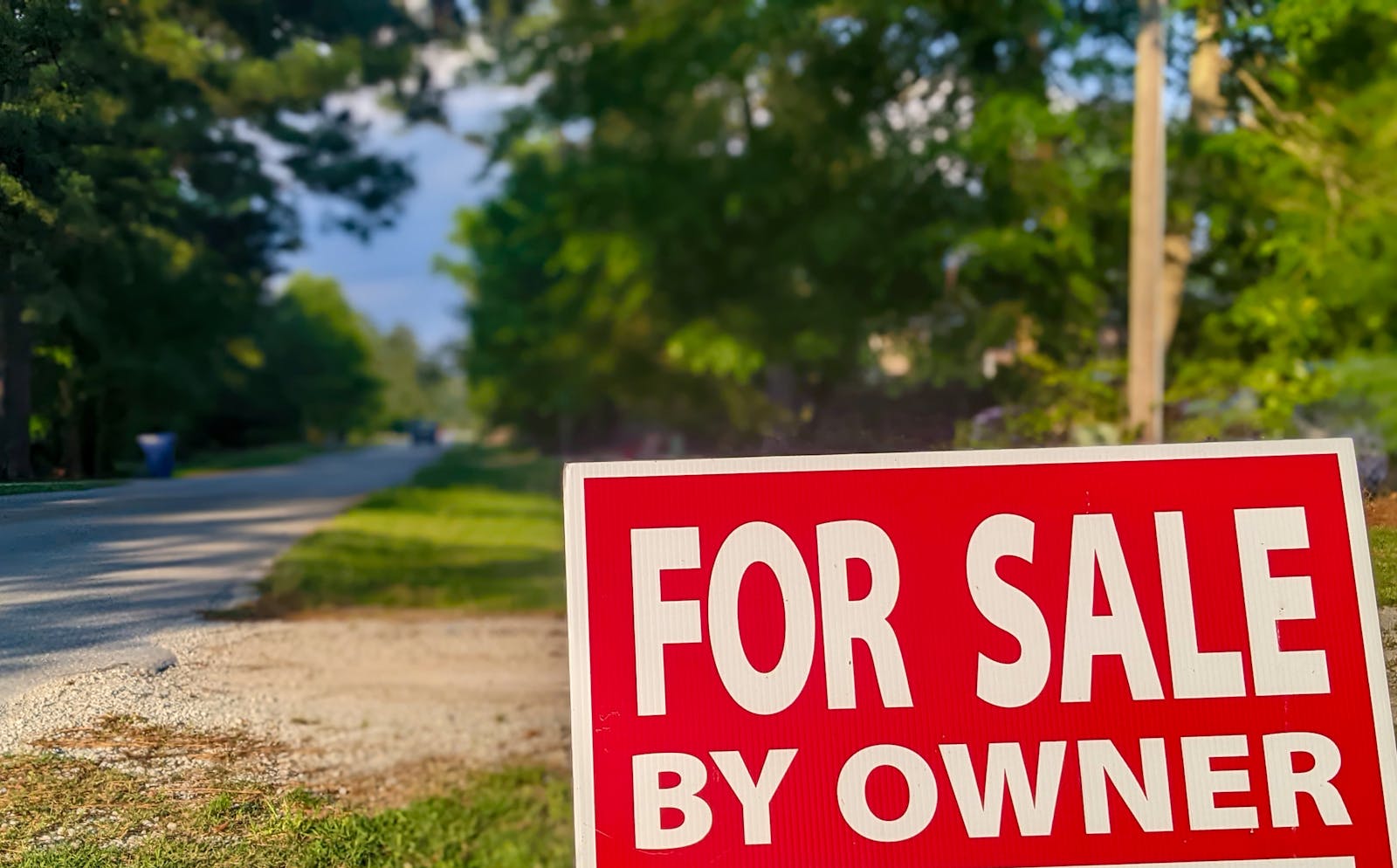
For Sale By Owner in Ontario: Why Selling Without an Agent Can Cost You More in Today’s Market

Thinking About Selling Your Home on Your Own? In a market where pricing, strategy, and exposure matter more than ever, selling your home without a real estate agent can be a costly mistake.  Across the Greater Toronto Area (GTA), the market has shifted. Homes are taking longer to sell, buyers have more negotiating power, and pricing mistakes are costing sellers thousands. So while skipping commission might sound appealing, the reality is that selling privately (For Sale By Owner – FSBO) often results in more stress, more risk, and less money in your pocket.


📊 What’s Happening in the GTA Market Right Now (2026)

Before deciding to sell on your own, you need to understand the current landscape:

  • The average GTA home price is around $1,008,000, down about 7% year-over-year  

  • Benchmark prices are down nearly 7.9% year-over-year  

  • The market is sitting around 5 months of inventory, indicating buyer-leaning conditions  

  • Buyers have more choice and stronger negotiating power due to higher inventory levels  

  • Homes are taking longer to sell, with median days on market around 26 days in Toronto  


The Real Risks of Selling Your Home Yourself

1. ❌ Pricing Wrong in a Sensitive Market

In a shifting market, pricing is everything. With prices down year-over-year and buyers cautious:

  • Overpricing = your home sits and becomes stale

  • Underpricing = you lose equity instantly

👉 In today’s market, even a small pricing mistake can cost tens of thousands of dollars.


2. 📉 Limited Exposure Means Fewer Buyers

When you sell privately, you miss:

  1. Full MLS® exposure

  2. Agent networks

  3. Pre-qualified buyers actively working with agents

👉 Less exposure = less competition = lower offers


3. ⚖️ Legal Risks Are Higher Than You Think

Ontario real estate transactions are heavily regulated.  Without proper guidance, you risk:

  • Incorrect disclosures

  • Incomplete paperwork

  • Misrepresentation (even accidental)

This can lead to:

  • 🚫 Deal collapses

  • ⚖️ Legal disputes

  • 💰 Financial loss


4. 😰 The Stress Factor (Most Sellers Underestimate This)

Selling a home privately means you are now:

  • The marketer

  • The negotiator

  • The scheduler

  • The deal manager

👉 This becomes overwhelming fast.


5. 💰 Negotiation Power Is Not on Your Side

Buyers today are:

  • More cautious

  • More informed

  • More aggressive with offers

And when they know you’re not represented, they negotiate harder.

📌 A skilled agent doesn’t just “sell” — they protect your bottom line.


6. 🏡 Marketing Matters More in This Market

In a hot market, almost anything sells. In today’s market? Only well-marketed homes stand out.

Without:

  • Professional photos

  • Strategic pricing launch

  • Targeted online exposure

👉 Your home risks sitting — and selling for less.


📉 The Biggest FSBO Myth: “I’ll Save Money on Commission”

Here’s the truth most sellers don’t realize. In today’s GTA market:

  • Buyers expect negotiation room

  • Homes often sell below asking

  • Poor exposure reduces competition

👉 The money you “save” on commission is often lost through:

  • Lower sale price

  • Price reductions

  • Longer time on market

💡 In many cases, sellers who use an agent actually net more money.


📊 Why Working With a Real Estate Agent Matters More in 2026

This is no longer a “list and sell” market.  It’s a strategy market.  When you work with the right agent, you get:

  • Data-driven pricing based on real-time trends

  • Maximum exposure to serious buyers

  • Strong negotiation to protect your value

  • Full legal protection

  • A clear plan from listing to closing

👉 In a market like this, strategy is the difference between sitting… and selling successfully!


Key Takeaways for GTA Sellers

  • The GTA market is currently buyer-leaning with increased inventory

  • Prices are down year-over-year, making pricing critical

  • FSBO limits exposure and weakens negotiation power

  • Legal risks and stress are significantly higher

  • A strong strategy often leads to higher net profit — even after commission


Final Thought:

Trying to save on commission in today’s market can cost you far more than you expect.  If you want to sell with confidence, reduce stress, and maximize your return, selling your home on your own may not benefit you in the long run.

If you’re thinking about selling in Toronto, Brampton, or the GTA, don’t guess your way through it. Download my FREE Seller Guide or contact today to explore your options

Expolre your options

👉 Strategy isn’t optional anymore. It’s everything.

Read

Homebuyer’s Checklist in Ontario: What to Look for During a Home Tour (GTA Guide)

Touring homes in the GTA? Here’s exactly what to look for before making an offer.

Buying a home in Ontario is exciting—but during a showing, it’s easy to focus on finishes and overlook costly issues.

This checklist will help you stay focused, spot red flags, and make smarter decisions before submitting an offer.

👉 Download your FREE Buyer Guide to avoid costly mistakes when buying in the GTA:
https://pauladasilva.ca/buying.html

Quick Home Tour Checklist (Don’t Miss This)

  • Check foundation and structure

  • Look at roof condition and age

  • Test plumbing and water pressure

  • Review electrical systems

  • Inspect insulation and ventilation

  • Evaluate kitchen and appliances

  • Walk the exterior of the home

What Should You Look for During a Home Tour?

1. Foundation and Structure

The structure of a home is one of the most expensive things to repair.

✔ What to check for:

  • Uneven floors

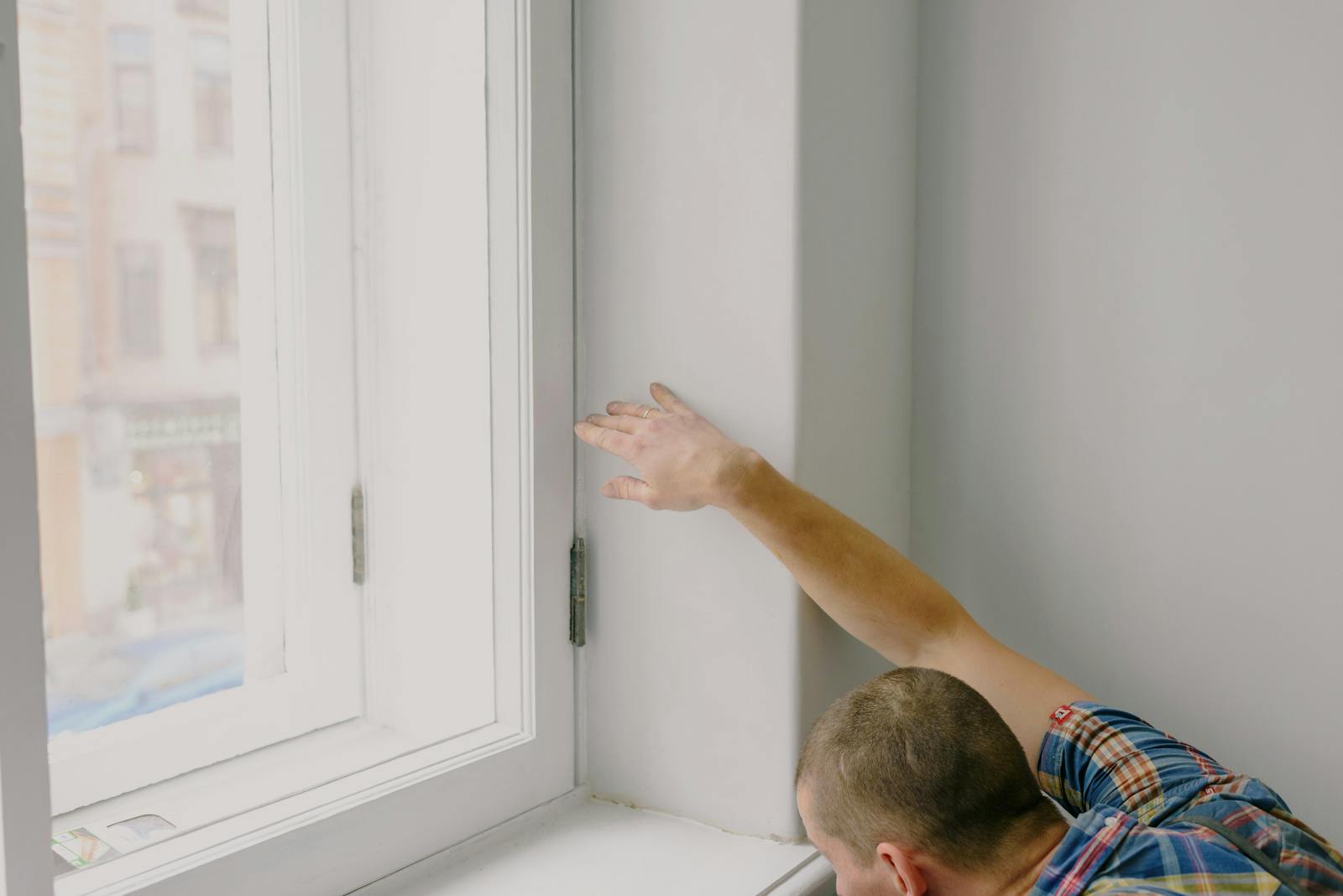
  • Doors/windows that don’t close properly

  • Cracks in walls or near windows

  • Gaps between floors and baseboards

💡 Pro Tip: If you notice these signs, you’ll want a deeper inspection before moving forward.

2. Roof Condition

The roof protects everything inside the home—ignore it, and you could face major costs.

✔ What to check for:

  • Missing or damaged shingles

  • Sagging areas

  • Moss or algae (moisture warning)

💡 Pro Tip: Ask for the roof’s age. Most roofs last 20–30 years.

3. Plumbing and Water Systems

Water issues can quickly become expensive.

✔ What to check for:

  • Leaks under sinks

  • Water stains on ceilings or walls

  • Water pressure in faucets and showers

💡 Pro Tip: Turn everything on—don’t just look.

4. Electrical System

Safety comes first—outdated wiring is a major concern.

✔ What to check for:

  • Flickering lights

  • Damaged outlets or switches

  • Condition of the breaker panel

💡 Pro Tip: Older homes in Toronto may need electrical upgrades—factor this into your offer.

5. Insulation and Ventilation

Poor insulation = higher bills + potential moisture issues.

✔ What to check for:

  • Attic insulation (if accessible)

  • Damp smells or visible mould

  • Bathroom/kitchen exhaust fans

6. Kitchen and Appliances

Looks matter—but function matters more.

✔ What to check for:

  • Cabinet and countertop condition

  • Appliance functionality

  • Signs of leaks under sinks

💡 Pro Tip: Appliance replacements add up quickly—don’t ignore this.

7. Exterior Condition

Curb appeal is nice—but condition is everything.

✔ What to check for:

  • Cracked or peeling siding

  • Gutters and drainage

  • Windows and doors sealing properly

💡 Pro Tip: Walk the full property—driveway, fences, and grading matter.

❓ Should You Get a Home Inspection in Ontario?

Absolutely. Even if everything looks good during a showing, a professional inspection can uncover hidden issues.

👉 Before you make an offer, make sure you’re fully prepared:
Download your FREE Buyer Guide→ https://pauladasilva.ca/buying.html

Why This Checklist Matters in the GTA Market

In competitive markets like Toronto and Brampton, buyers often feel pressure to act fast.

But skipping these checks can lead to:

  • Unexpected repair costs

  • Poor investment decisions

  • Buyer’s regret

A home tour isn’t just about how a home looks—it’s about how it performs. The more you know during the showing, the stronger your position when it’s time to negotiate.

👉 Want a second opinion before you make an offer?
Reach out and schedule a no obligation phone call.→https://pauladasilva.ca/book-meeting.html

I’ll help you spot red flags and make confident decisions every step of the way.

👉 First-Time Buyer in Toronto? Here’s How to Navigate the Market Without Feeling Overwhelmed
https://trreb.ca/wp-content/files/market-stats/market-watch/mw2602.pdf

Read

GTA Housing Market Update – March 2026: What Buyers and Sellers Need to Know

The latest data from the Toronto Regional Real Estate Board (TRREB) shows a shift in the Greater Toronto Area (GTA) housing market as we move into the spring season.

With changing inventory levels and price trends, both buyers and sellers need to understand what’s really happening—and how to respond strategically.

📊 Key Highlights – March 2026

✔️ Home sales showed a modest increase year-over-year

✔️ New listings declined compared to March 2025

✔️ Selling prices trended lower year-over-year

✔️ Buyers continued to benefit from strong negotiating power

✔️ Market conditions are beginning to tighten due to reduced inventory

🏡 What This Means for Buyers

Improved affordability is encouraging more buyers to re-enter the market.

✔️ More opportunity to find homes within budget

✔️ Increased ability to negotiate on price and conditions

✔️ Less pressure compared to peak competitive markets

However, with fewer listings available, this window of opportunity may start to narrow as we move further into the spring market.

📍 What This Means for Sellers

This is where strategy becomes critical.

While prices have softened compared to last year, declining inventory is creating conditions that could support more balanced pricing in the months ahead.

✔️ Accurate pricing is more important than ever

✔️ First impressions and marketing matter

✔️ Understanding buyer behaviour is key to a successful sale

👉 Overpricing in today’s market can lead to longer time on market and missed opportunities.

📈 Looking Ahead

If current trends continue—with demand increasing and listings remaining limited—we could see:

✔️ Stabilizing home prices

✔️ Increased buyer competition

✔️ A more balanced market environment

Economic confidence and global factors will also play a role in how the market evolves throughout 2026.

If you’re preparing to sell, start here:

👉 Download your Seller Guide (step-by-step strategy to prepare, price, and sell your home)

👉 Get your Free Home Value Report (find out what your home could sell for in today’s market)

These tools are designed to help you make informed decisions and avoid costly mistakes in a shifting market.

📩 Thinking of Selling Your Home in the GTA?  Understanding the market is one thing—knowing how to position your home within it, is what gets results!

Contact Today

🔗 For a complete breakdown of the March 2026 market data,  👉 Click the link, to read the Full Official Report from TRREB

Read

Best Time to Buy a Home in Ontario (2026 Guide): Pros & Cons of Each Season in the GTA

Timing the real estate market in Ontario—especially in the GTA—can make a significant difference in what you pay, the competition you face, and the opportunities available.

With inventory rising and buyers gaining more leverage in 2026, understanding when to buy is just as important as what you buy.

Here’s a breakdown of what to expect in each season so you can make a smarter move.

Spring (March to May)

Key Highlights:

  • 🌸 More listings hit the market

  • 🏡 Strong curb appeal (homes show their best)

  • ⚔️ Increased competition from buyers

  • 💰 Prices tend to be higher

Why This Matters in the GTA (2026):  Spring is still the busiest season, but today’s market is more balanced than previous years. That means:

  • More choice ✔

  • But still competitive in desirable areas ✔

Summer (June to August)

Key Highlights:

  • ☀️ Flexible schedules for showings and moving

  • 🕒 Longer daylight = more viewing time

  • 💸 Prices remain strong

  • ⚡ Homes still sell quickly

Why This Matters:  Serious buyers remain active, and sellers are still confident with pricing—especially in family-friendly GTA neighbourhoods.

Fall (September to November)

Key Highlights:

  • 🍂 Less competition

  • 🤝 More negotiating power

  • 🏷️ Potential price adjustments

  • 📉 Fewer listings

Why This Matters:  This is often the most underrated buying season in Ontario.

In today’s market:

  • Homes may sit longer

  • Sellers may be more flexible

👉 This creates opportunity.

Winter (December to February)

Key Highlights:

  • ❄️ Lowest competition

  • 💰 Potential for better deals

  • 🔑 Motivated sellers

  • 🚫 Limited inventory

Why This Matters:  Winter buyers in the GTA are usually serious and strategic, which can give you a major advantage—if you’re prepared.

⚠️ The Truth About “Timing the Market”

Trying to perfectly time the market is risky.

👉 The right time to buy is when:

  • You’re financially ready

  • You understand the market

  • You have the right strategy

👉 Before you start house hunting, read this next:  How Much House Can You Really Afford in Ontario? 

Thinking about buying in the GTA but not sure when to make your move? 

🔗 Visit my Buyer Resources page   📩 or contact me if you have to any questions.

I’ll walk you through exactly what to expect in today’s Ontario market—so you can buy with confidence.

Read

🏡 Ontario Expands HST Rebate for New Homes: What Buyers Need to Know (2026 UPDATE)

The Ontario government has announced a major housing update that could significantly impact buyers across the province.  Premier Doug Ford confirmed that all homebuyers—not just first-time buyers—may qualify for a temporary HST rebate on new homes, offering potential savings of up to $130,000.

🔑 Key Highlights of the New HST Rebate

  • 💰 Up to $130,000 in HST savings on new homes

  • 🏠 Available to all Ontario buyers (not just first-time buyers)

  • 📅 Temporary program from April 1, 2026 to March 31, 2027

  • 🤝 Cost shared between provincial (8%) and federal (5%) governments

  • 📉 Designed to improve affordability and boost housing supply

💵 How Much Can You Save?

  • 🏡 Up to $1.5 million → Eligible for the full $130,000 rebate

  • 📊 $1.5M – $1.85M → Reduced rebate (scaled down)

  • 💰 Above $1.85M → Minimum $24,000 rebate (existing program level)

📋 Eligibility Requirements

To qualify for the expanded rebate:

  • 📝 Purchase agreement must be signed between April 1, 2026 – March 31, 2027

  • 🏗️ Construction must begin by December 31, 2028

  • Home must be substantially completed by set deadlines (2031 or earlier depending on project)

  • 🏠 Property must be used as a primary residence or rental property

📊 Why This Matters for the Ontario Housing Market

This isn’t just a tax break—it’s a market-moving policy.

According to the province:

  • 🚧 Could generate 8,000+ new housing starts

  • 👷 Supports up to 21,000 jobs

  • 📈 Adds an estimated $2.7 billion to Ontario’s economy

With rising construction costs and slower condo development—especially in areas like Greater Toronto Area—this incentive is designed to kickstart building activity and improve housing supply.

🏙️ What This Means for Buyers and Sellers

For Buyers:

  • 💡 Lower upfront costs when purchasing new construction

  • 🏡 More opportunities to enter the housing market

  • 📉 Increased affordability during uncertain economic conditions

For Sellers:

  • ⚠️ More competition from new builds with incentives

  • 📊 Buyers may compare resale homes against brand-new options

  • 💰 Strategic pricing and marketing become even more critical

🏗️ Industry Response

The Building Industry and Land Development Association (BILD) has welcomed the move, stating it will:

  • ✔️ Reduce upfront homeownership costs

  • ✔️ Support the housing industry during economic uncertainty

  • ✔️ Help improve overall affordability in Ontario

Want to review all the details directly from the source? 

🔗 Read the Full Article 👉 https://www.ctvnews.ca/toronto/politics/queens-park/article/all-ontario-buyers-will-be-eligible-for-hst-rebate-on-new-homes-for-one-year-as-province-feds-expand-relief/

📣 Final Thoughts

This temporary HST rebate expansion could be a game-changer for Ontario’s housing market—especially for buyers considering new construction.

But for sellers, it also introduces new competition and shifting buyer behaviour.

If you’re planning to make a move in today’s market, understanding these changes is key to making the right decision.

📩 Reach out anytime or visit my website to access your free Seller Guide and learn how to position your home strategically in this evolving market.

Read

🏡 How to Build Equity in Your Home Faster in Ontario (GTA Homeowner Guide 2026)

📍 Building equity in your home is one of the most powerful ways to grow your wealth as a homeowner in Ontario’s competitive real estate market. Whether you’re in Brampton, Toronto, or anywhere in the GTA, increasing your home equity faster gives you more financial flexibility—whether that means refinancing, investing, or selling for a strong return.

🚀Here’s key strategies on how to build equity in your home faster in today’s GTA market 👇

💰 1. Make Extra Mortgage Payments

Paying more than your minimum mortgage payment is one of the fastest ways to grow equity.

  • Make principal-only payments whenever possible

  • Switch to bi-weekly payments (13 payments/year instead of 12)

  • Apply bonuses, tax refunds, or side income directly to your mortgage

📌  Why this works:  You reduce your loan balance faster and save thousands in interest over time.

📉 2. Consider a Shorter Mortgage Term

Refinancing to a shorter term (like 15–20 years) can accelerate equity growth:

  • Pay off your mortgage faster

  • Benefit from lower interest rates

  • Build equity significantly quicker

⚠️ Important: Always factor in refinancing penalties and fees in Ontario.

💳 3. Pay Off High-Interest Debt First

If you’re carrying credit card or personal loan debt, this slows down your ability to build equity.

  • Focus on eliminating high-interest debt first

  • Redirect those payments toward your mortgage

  • Consider debt consolidation if it lowers your interest

📌 Why this matters:  More cash flow = more money toward your home.

🔨 4. Invest in High-ROI Home Improvements

Not all renovations are equal—focus on upgrades that increase your home’s value in the GTA market.

  • 🍽️ Kitchen upgrades

  • 🛁 Bathroom renovations

  • 🏠 Finished basements (huge in Brampton & GTA homes)

  • 🌱 Energy-efficient upgrades

  • 🌳 Curb appeal improvements

💡 PRO TIP:  Think like a buyer—what would make your home stand out in today’s market?

🚫 5. Avoid Using Your Home Equity Too Early

Home Equity Lines of Credit (HELOCs) are common in Canada—but they can slow your progress.

  • Avoid borrowing against your equity unless necessary

  • Use equity strategically (investments vs. lifestyle spending)

✔️ Bottom line:  More borrowing = slower equity growth.

📊 6. Understand the GTA Real Estate Market

  • Monitor local home prices

  • Stay updated on Bank of Canada rate trends

  • Track neighbourhood demand and inventory

📌 Why this matters:  Rising home values can grow your equity—even without extra payments.

🛠️ 7. Maintain Your Home to Protect Its Value

Neglect can reduce your home’s value—and your equity.

  • Stay on top of routine maintenance

  • Repair issues early

  • Keep your home clean and updated

✔️ Simple truth:  A well-maintained home protects your investment.

📌 Why This Matters for Ontario Homeowners : In the Greater Toronto Area, real estate is one of the most powerful wealth-building tools. The faster you build equity:

  • 💼 The more you can leverage future investments

  • 💵 The stronger your position when selling your home

  • 🔒 The more financial security you create

Final Thoughts : Building equity takes time—but in a high-demand market like the GTA, the right strategy can speed things up significantly. Small, consistent actions today = major financial gains tomorrow.

Curious how much equity you’ve already built in your home? 🏡 Visit my Home Value page for a free, no-obligation estimate based on current GTA market data. https://pauladasilva.ca/home-evaluation.html

📩 Reach out directly—I’ll help you understand your home’s value and the smartest next steps to grow your equity

Read

How Much House Can You Afford in Ontario? A Realistic 2026 Guide for GTA Buyers

Before you start browsing homes or booking showings, there’s one question that matters most:

 💰How much can you actually afford—comfortably?

In today’s GTA market, where affordability is a major factor, understanding your numbers is the difference between a smart investment and financial stress.

1. Start With Your Income (But Don’t Stop There)

🔑 Key Rule:  Spend no more than 28–30% of your gross monthly income on housing

📌 Why This Matters:  Many buyers, get approved for more than they should spend. Approval ≠ affordability                  

2. Understand Your Debt-to-Income Ratio (DTI)

🔑 Key Rule:  Keep total debt under 36% of your income

📌 Why This Matters in 2026:  With higher interest rates compared to previous years:

  • Your borrowing power is tighter

  •  Lenders are stricter

3. Your Down Payment Strategy

  • 💰 20% = avoids mortgage insurance

  • 🏠 5–19% = more accessible, especially for first-time buyers

 📌  Why This Matters:  A higher down payment:

  • Lowers your monthly payment

  • Improves your long-term financial position

4. The Costs Most Buyers Forget

Don’t Overlook:

  • Property taxes

  • Home insurance

  • Utilities

  • Maintenance

  Reality Check:  Owning a home in the GTA comes with ongoing costs that can add up quickly.

5. Get Pre-Approved (Before You Shop)

Why This Is Critical:

  • Defines your real budget

  • Strengthens your offers

  • Helps you act fast in competitive situations

💡 PRO TIP : The smartest buyers don’t just ask:  “What can I afford?”  They ask:    “What can I afford while still living comfortably?”                                                                                         

Ready to take the next step?  Get a general picture of what you can afford in today’s market:  https://pauladasilva.ca/mortgage-calculator.html

👉 Download my full Buyer Guide here:  https://pauladasilva.ca/buying.html

👉 Or reach out directly:  https://pauladasilva.ca/contact.html

I’ll help you: 

  • Understand your real budget

  • Navigate the GTA market

  • Avoid costly mistakes

Read

Renting vs. Buying: Which One is Right for You?

Deciding whether to rent or buy a home is a big decision, especially for first-time buyers. Both options have pros and cons, and the right choice depends on your lifestyle, finances, and long-term goals. Let’s break it down.

1. The Financial Side: Which Makes More Sense?

      ✅ Buying a Home

  •    Builds equity over time

  •    Potential for property value appreciation

  •    Stable monthly payments (with a fixed mortgage)

  •    Tax benefits in some cases

      ❌ Renting a Home

  •   Lower upfront costs (no down payment)

  •   No maintenance responsibilities

  •   More flexibility to move

  •   No risk of property value decreasing

💡PRO TIP: If you plan to stay in one place for 3-5+ years, buying might be the smarter long-term investment.

2. Monthly Costs: Rent vs. Mortgage Payments

  • Renting: Your monthly payment goes to your landlord. Rent may increase annually.

  • Buying: Your mortgage payment goes toward owning your home. While property taxes and maintenance costs exist, homeownership helps you build wealth over time.

💡PRO TIP: Compare current rent prices with mortgage payments in your area to see what makes sense.

3. Lifestyle Considerations

      ✅ Buying is great if you want:

  •   Stability and a place to call your own

  •   Freedom to renovate and customize your home

  •   A long-term investment

     ✅ Renting is better if you:

  •   Need flexibility (moving for work, travel, etc.)

  •   Don’t want the responsibility of home maintenance

  •   Aren’t financially ready for a down payment

💡 PRO TIP:  Think about where you see yourself in 3-5 years. Will you still want to rent, or would you rather invest in a home?

4. Market Conditions: Is It a Good Time to Buy?

  • If interest rates are low, buying can be a great opportunity to lock in a lower mortgage rate.

  • If home prices are rising, buying sooner might be better before prices increase further.

  • If you’re unsure, working with a realtor can help you weigh your options.

💡PRO TIP: A real estate professional (like me!) can help you analyze the market and decide whether renting or buying is the right move for you.

💬 Final Thoughts: Both renting and buying have advantages—it all depends on your financial situation and future goals.

If your considering buying, download my Buyer’s Guide, to understand every step of the process and make a confident, informed decision.  https://pauladasilva.ca/buying.html

If you still have any questions or want personalized advice, let’s chat.📩 Reach out directly— https://pauladasilva.ca/contact.html

Read

New GST/HST Rebate for First-Time Home Buyers in Canada

A new federal initiative is making it easier for first-time buyers to enter the housing market. The Government of Canada has passed Bill C-4, introducing a GST rebate for first-time home buyers purchasing newly built homes. 

In Ontario, the Government of Ontario is matching the program by covering the provincial portion of the HST, meaning eligible buyers could receive relief covering the full sales tax on qualifying new home purchases. This initiative is designed to reduce the upfront cost of buying a home and improve affordability for buyers entering the market.

Eligible first-time buyers may receive:

• A full GST/HST rebate on newly built homes valued up to $1 million

• A partial rebate for homes priced between $1 million and $1.5 million

• No rebate for homes priced above $1.5 million

The maximum rebate available is up to $130,000.

The rebate applies to:

  Newly built homes purchased from a builder

   Owner-built homes

  Shares in a co-operative housing corporation

To be eligible, buyers must:

Be at least 18 years old

• Be a Canadian citizen or permanent resident

• Not have owned a home in the past four years (in Canada or abroad)

• Purchase the home as their primary residence

• Not have previously received a first-time buyer GST/HST rebate

To qualify:

  The Agreement of Purchase and Sale must be signed between May 27, 2025 and before 2031

  The home must be substantially completed before 2036

Applications are submitted through the ***Canada Revenue Agency once construction of the home is completed. Attached below, you will find the links for Eligibility for GST/HST Rebate and How to Apply.

For buyers looking to purchase a newly built home in areas like Brampton or the GTA, this rebate could significantly reduce upfront costs and make homeownership more accessible. Understanding available programs and incentives can make a major difference when entering the housing market.

If you’re considering buying a home in the GTA, visit my website to:

Download my Buyer’s Guide

Explore current listings

If you have questions about the market or are thinking about buying or selling a home in the GTA, feel free to contact me- I’m always happy to help!

***Canada Revenue Agency Links : How to Apply and  First Time Home Buyer GST/HST Rebate

Read

Toronto Rental Prices in 2026: Average rent for 1-Bedroom, 2-Bedroom & Studios

Rental prices in Toronto remain among the highest in Canada, although recent reports suggest the market has begun to cool slightly, compared to last year. According to the latest rental market report from Rentals.ca and Urbanation:

• Average rent (all unit types): about $2,482 per month

• 1-bedroom apartment: about $2,201 per month

• 2-bedroom apartment: about $2,857 per month

• Studio apartment: about $1,762 per month

Overall rents are approximately 5% lower than last year, signalling a modest shift after several years of rapid price growth.

Why This Matters? Although rental prices have eased slightly, housing costs across the GTA remain high. For many renters, the question is whether continuing to rent or exploring homeownership might make more financial sense in today’s market.

For a detailed breakdown of rental trends across Canada, you can view the full report below:

https://www.torontotoday.ca/local/real-estate-housing/toronto-rents-fall-decline-again-canada-33-month-low-11978241

If you’re considering buying or selling in the GTA, these local resources may help:

Latest Market Insights

Download the Home Buyer Guide

Home Evaluation for Sellers

If you’re currently renting and wondering whether homeownership could be possible, understanding the market is the first step. Let’s connect and discuss your options in today’s market.

Read

February 2026 GTA Real Estate Market Update: Home Sales, Prices, and Listings

The Greater Toronto Area (GTA) housing market saw tightening conditions in February 2026, with both home sales and new listings declining compared to the same time last year. Fewer listings entering the market could increase competition if buyer demand strengthens later in the year.

According to the Toronto Regional Real Estate Board (TRREB), many buyers are waiting for prices to stabilize before entering the market. Here are some key highlights:

• 3,868 homes sold — down 6.3% year-over-year

• 10,705 new listings — down 17.7% compared to February 2025

• Average home price: $1,008,968, down 7.1% year-over-year

• Benchmark home price (MLS® HPI): down 7.9% year-over-year

• Both sales and listings declined month-over-month compared to January 2026

• Over 100,000 buyers are reportedly waiting for prices to stabilize before entering the market

Why This Matters

Lower inventory combined with a large number of buyers waiting on the sidelines could eventually lead to increased competition once market confidence returns. Monitoring supply levels and pricing trends will be important for anyone planning to buy or sell in the Greater Toronto Area.

📈 Click here to read full report: https://trreb.ca/wp-content/files/market-stats/market-watch/mw2602.pdf

If you’re considering buying or selling in Brampton or anywhere in the GTA, I can help you navigate the market with the latest insights and strategies tailored to your goals.

➡️ Contact me today or download my free Buyer and Seller Guides to get started!

Read
Categories:   Brampton Real Estate
This website may only be used by consumers that have a bona fide interest in the purchase, sale, or lease of real estate of the type being offered via the website. The data relating to real estate on this website comes in part from the MLS® Reciprocity program of the PropTx MLS®. The data is deemed reliable but is not guaranteed to be accurate.