

Finding a home you love is exciting. You walk through the rooms, picture where your furniture will go, and start imagining yourself living there. But before making an offer, there are a few things I always encourage buyers to look into. Some of these details might seem small at first, but they can make a big difference after you've purchased the property.
Here are five things worth knowing before you make that decision.
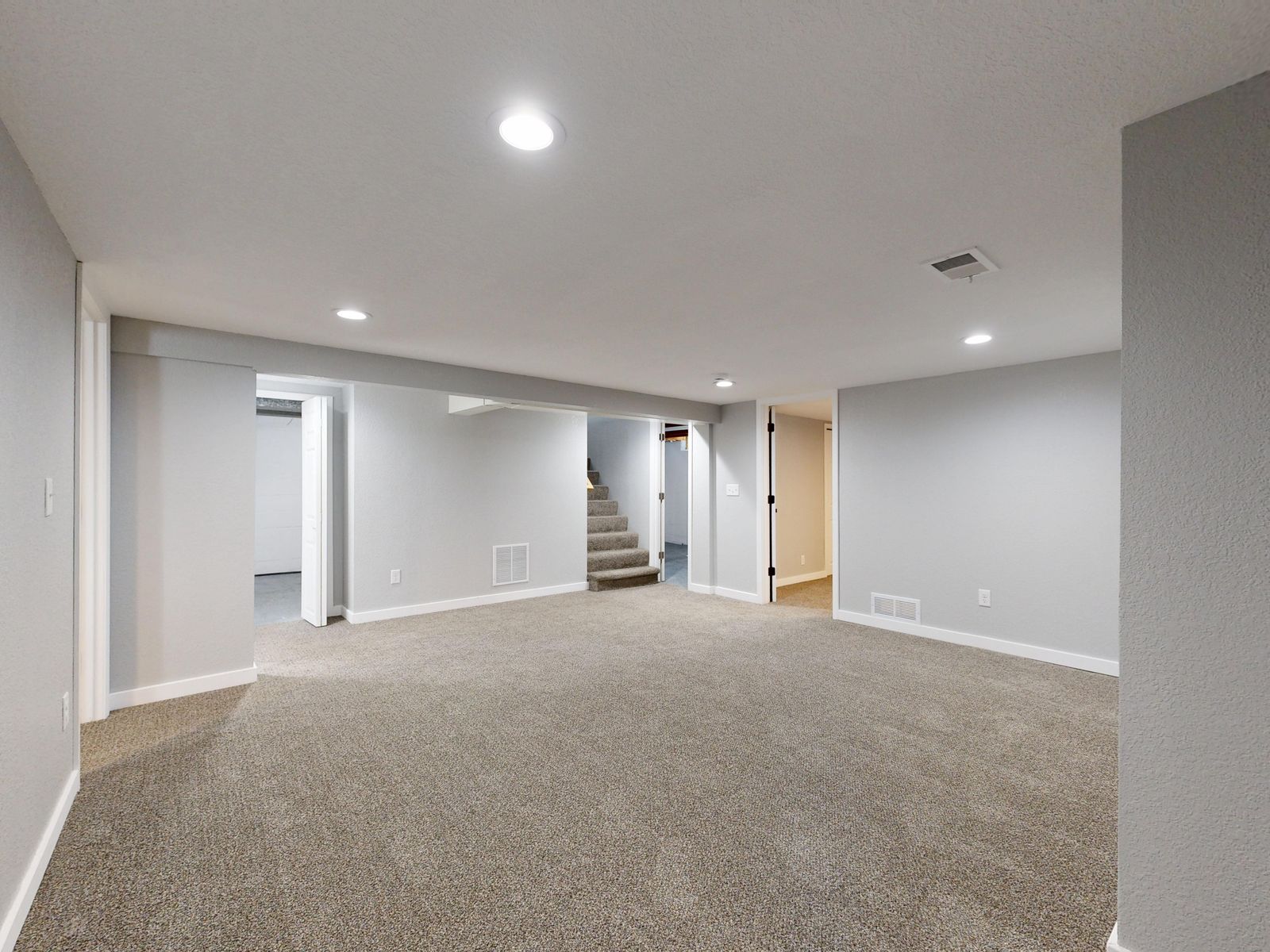
1. Were Those Renovations Done With the Proper Permits?
That beautiful finished basement or newly renovated kitchen might look amazing, but have you ever wondered whether the work was done with the required permits? Not every renovation requires a building permit, but certain changes do. For example, removing structural walls, adding bathrooms or creating a basement apartment may require permits and inspections.
And here's something buyers don't always realize. Just because a basement has a kitchen and bathroom doesn't automatically mean it's a legal second unit. It's worth checking with the municipality to understand what permits and approvals are on record.
This could save you from unexpected expenses or complications later.

2. Have You Looked Beyond the Monthly Mortgage Payment?
When buying a home, most people focus on what their monthly mortgage payment will be. But that's only part of the cost. Property taxes, insurance, utilities and maintenance all need to fit into your budget. For example, an older home might have lower property taxes but require more money for repairs and upkeep. A newer property may need fewer immediate repairs but have other expenses to consider.
The important question isn't just, "Can I afford to buy this home?" It's also, "Can I comfortably afford to live in it?"
That's a conversation worth having before making an offer.

3. Does the Property Have Any Restrictions You Should Know About?
This is something that can easily be overlooked. Maybe you're planning to rent out the basement, build an addition or make changes to the property after moving in. But are those plans actually permitted?
Municipal zoning rules, condominium restrictions, easements and other property limitations can affect what you're allowed to do. For condominium buyers, it's also important to review the status certificate and related documents with your lawyer. These documents can provide valuable information about the condominium corporation, including its finances, rules and possible additional costs.
Never assume that because a property has enough space for something, you're automatically allowed to use it that way.
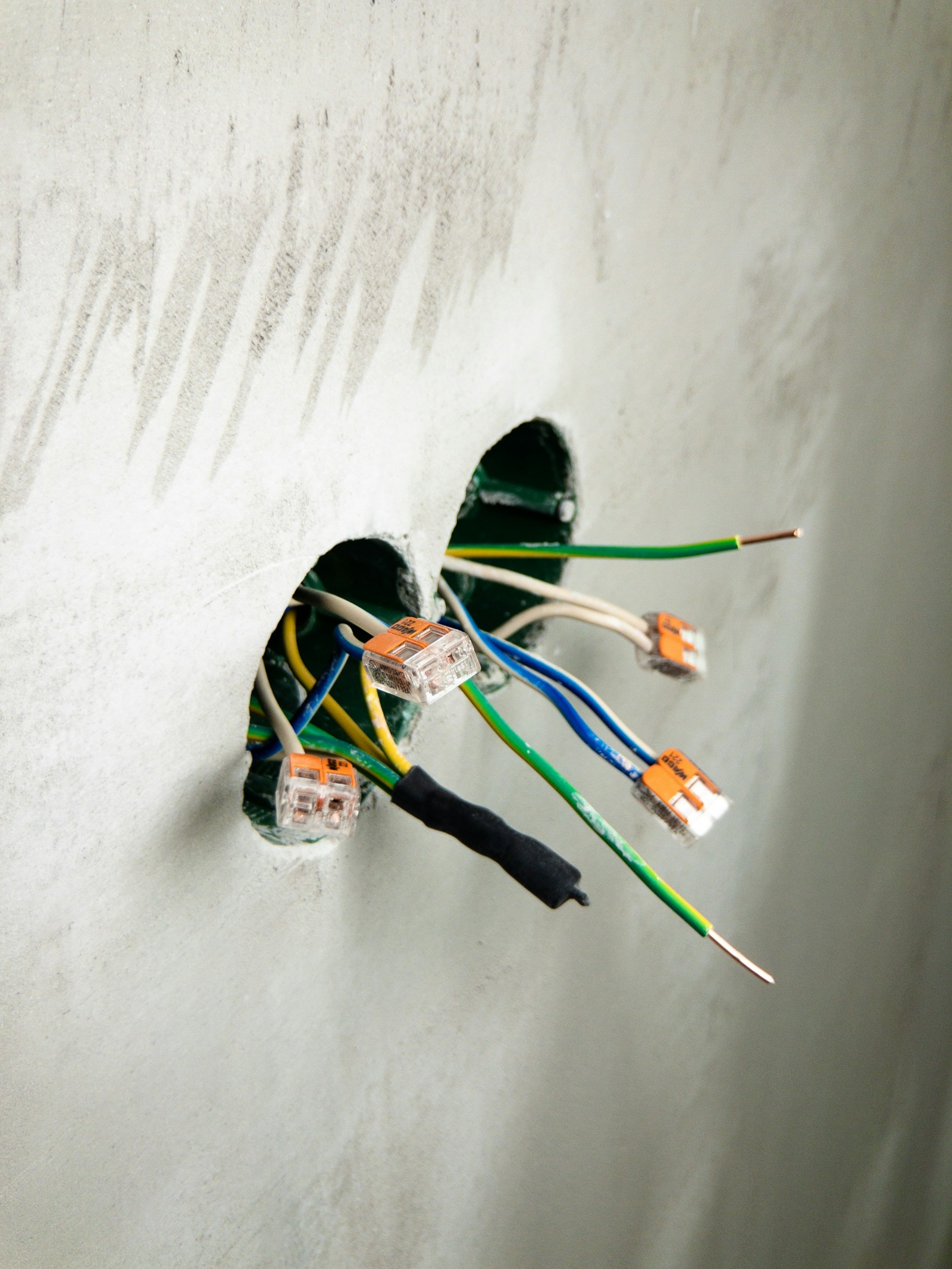
4. Has the Home Been Properly Maintained?
Fresh paint, beautiful flooring and updated light fixtures can make a home look wonderful. But what about the things you can't easily see? The roof, foundation, electrical system, plumbing and heating equipment are all important.
A home inspection can help identify visible problems and areas that may need further investigation. However, a home inspection doesn't guarantee that every problem will be discovered. Depending on the property, additional inspections or professional assessments may be worth considering.
A home doesn't have to be perfect to be a good purchase. You simply want to understand what you're buying and what expenses might be coming your way.

5. Is Your Mortgage Approval Ready for This Particular Property?
Here's one that sometimes surprises buyers. Being pre-approved for a mortgage doesn't mean every property you choose will automatically qualify for financing.
Your lender still needs to review the property and complete the final approval process. For example, if the lender's appraisal comes in lower than the purchase price, you may need additional funds or another solution. This is why I encourage buyers to stay in contact with their mortgage professional before making an offer.
It's also important to understand the financing conditions in your agreement and the risks of making an offer without them. A little preparation can help avoid some very stressful situations later.
My Final Thoughts
Buying a home is a big decision, and it's easy to get caught up in the excitement of finding the right one. But sometimes the most important questions aren't about the number of bedrooms, the kitchen or even the asking price. They're about understanding the property, knowing what you're responsible for and making sure the purchase fits your plans.
You don't need to know everything about real estate before buying a home. You just need to know which questions to ask and where to get reliable answers.
If you're thinking about buying in Brampton, Mississauga or the surrounding GTA, I'm always happy to help you understand the process and make informed decisions.
Paula Da Silva | REALTOR®
EXIT Realty Hare Peel Brokerage
Helpful Resources
Ontario Building Code and your local municipal building department — Renovation permits and building requirements
Financial Consumer Agency of Canada — Mortgage Pre-Approval and Homebuying Costs
Condominium Authority of Ontario — Understanding Status Certificates
Canada Mortgage and Housing Corporation (CMHC) — Homebuying Information
This article provides general real estate information. Property requirements, mortgage approvals and legal obligations vary. Buyers should consult the appropriate municipality, lender, lawyer or qualified inspector when necessary.