RSS

Before You Make an Offer: 5 Things Buyers Often Overlook

Finding a home you love is exciting. You walk through the rooms, picture where your furniture will go, and start imagining yourself living there.  But before making an offer, there are a few things I always encourage buyers to look into.  Some of these details might seem small at first, but they can make a big difference after you've purchased the property.

Here are five things worth knowing before you make that decision.
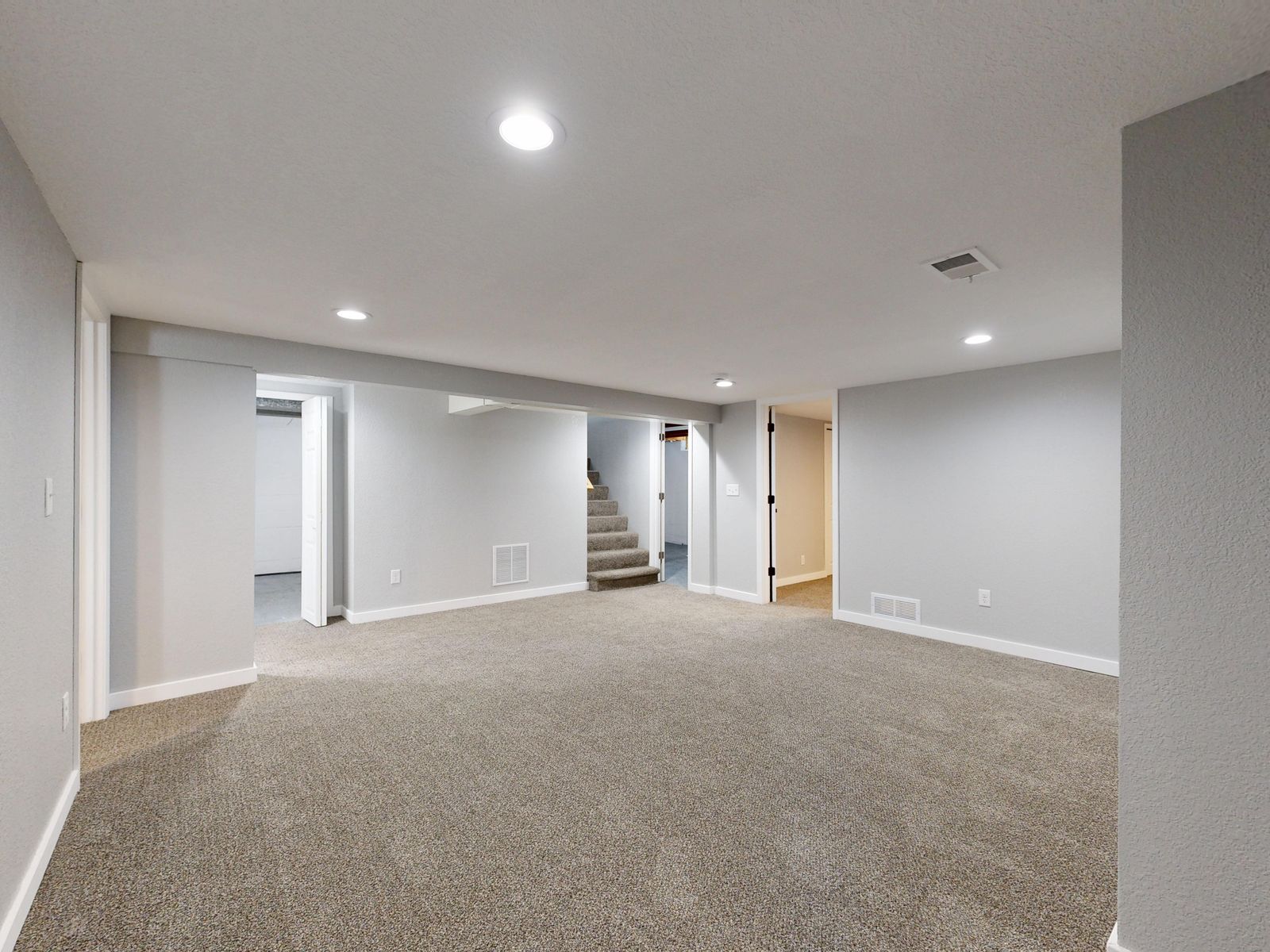
1. Were Those Renovations Done With the Proper Permits?

That beautiful finished basement or newly renovated kitchen might look amazing, but have you ever wondered whether the work was done with the required permits?  Not every renovation requires a building permit, but certain changes do.  For example, removing structural walls, adding bathrooms or creating a basement apartment may require permits and inspections.

And here's something buyers don't always realize.  Just because a basement has a kitchen and bathroom doesn't automatically mean it's a legal second unit.  It's worth checking with the municipality to understand what permits and approvals are on record.

This could save you from unexpected expenses or complications later.

2. Have You Looked Beyond the Monthly Mortgage Payment?

When buying a home, most people focus on what their monthly mortgage payment will be.  But that's only part of the cost.  Property taxes, insurance, utilities and maintenance all need to fit into your budget.  For example, an older home might have lower property taxes but require more money for repairs and upkeep.  A newer property may need fewer immediate repairs but have other expenses to consider.

The important question isn't just, "Can I afford to buy this home?" It's also, "Can I comfortably afford to live in it?"

That's a conversation worth having before making an offer.

3. Does the Property Have Any Restrictions You Should Know About?

This is something that can easily be overlooked.  Maybe you're planning to rent out the basement, build an addition or make changes to the property after moving in.  But are those plans actually permitted?

Municipal zoning rules, condominium restrictions, easements and other property limitations can affect what you're allowed to do.  For condominium buyers, it's also important to review the status certificate and related documents with your lawyer.  These documents can provide valuable information about the condominium corporation, including its finances, rules and possible additional costs.

Never assume that because a property has enough space for something, you're automatically allowed to use it that way.

4. Has the Home Been Properly Maintained?

Fresh paint, beautiful flooring and updated light fixtures can make a home look wonderful.  But what about the things you can't easily see?  The roof, foundation, electrical system, plumbing and heating equipment are all important.

A home inspection can help identify visible problems and areas that may need further investigation.  However, a home inspection doesn't guarantee that every problem will be discovered.  Depending on the property, additional inspections or professional assessments may be worth considering.

A home doesn't have to be perfect to be a good purchase.  You simply want to understand what you're buying and what expenses might be coming your way.

5. Is Your Mortgage Approval Ready for This Particular Property?

Here's one that sometimes surprises buyers.  Being pre-approved for a mortgage doesn't mean every property you choose will automatically qualify for financing.

Your lender still needs to review the property and complete the final approval process.  For example, if the lender's appraisal comes in lower than the purchase price, you may need additional funds or another solution.  This is why I encourage buyers to stay in contact with their mortgage professional before making an offer.

It's also important to understand the financing conditions in your agreement and the risks of making an offer without them.  A little preparation can help avoid some very stressful situations later.


My Final Thoughts

Buying a home is a big decision, and it's easy to get caught up in the excitement of finding the right one.  But sometimes the most important questions aren't about the number of bedrooms, the kitchen or even the asking price.  They're about understanding the property, knowing what you're responsible for and making sure the purchase fits your plans.

You don't need to know everything about real estate before buying a home.  You just need to know which questions to ask and where to get reliable answers.

If you're thinking about buying in Brampton, Mississauga or the surrounding GTA, I'm always happy to help you understand the process and make informed decisions.

EXPLORE YOUR OPTIONS

Paula Da Silva | REALTOR®
EXIT Realty Hare Peel Brokerage


Helpful Resources

  • Ontario Building Code and your local municipal building department — Renovation permits and building requirements

  • Financial Consumer Agency of Canada — Mortgage Pre-Approval and Homebuying Costs

  • Condominium Authority of Ontario — Understanding Status Certificates

  • Canada Mortgage and Housing Corporation (CMHC) — Homebuying Information

This article provides general real estate information. Property requirements, mortgage approvals and legal obligations vary. Buyers should consult the appropriate municipality, lender, lawyer or qualified inspector when necessary.
Read

GTA Real Estate Market Update: October 2026 — What Buyers and Sellers Should Know

Real Estate News | November 9, 2026

The latest numbers from the Toronto Regional Real Estate Board (TRREB) are in, and October's housing market tells an interesting story.

Home sales and prices across the Greater Toronto Area remained below last year's levels, while fewer new properties came onto the market.  But there is another side to these numbers worth looking at.  Although activity was lower compared to October 2025, the market showed some improvement from September.

So, what does this mean if you're thinking about buying or selling a home in Brampton or the surrounding GTA?


A Look at the October Numbers

According to TRREB's October 2026 Market Watch report:

  • 5,603 homes sold across the GTA, a decrease of 7.9% compared to October 2025.

  • The average selling price was $1,024,108, down 2.7% from a year earlier.

  • 14,173 new listings entered the market, an 11.9% decrease year over year.

  • The MLS® Home Price Index benchmark declined 4.3% compared to October 2025.

While these numbers show that buyers remain cautious, TRREB also reported that sales, new listings and prices increased slightly from September on a seasonally adjusted basis.  This is an important distinction. A slower market compared to last year doesn't necessarily mean conditions are getting worse every month.


What's Happening in Brampton?

Brampton continues to experience a market where buyers have choices, but sellers also need to pay close attention to pricing and competition.

In October, Brampton recorded 435 home sales, with an average selling price of approximately $825,183.  There were also 960 new listings and 1,617 active listings at the end of the month.

These figures give us a picture of overall activity, but they don't tell the whole story for every property.  A detached home, townhouse or condominium can experience very different market conditions, even within the same neighbourhood.  That's why looking at comparable properties and recent sales is more useful than relying on one citywide average.


What Does This Mean for Buyers?

For buyers, the current market may provide opportunities that were harder to find during more competitive periods.

With more room to negotiate on some properties, buyers may have time to compare homes, review conditions and make decisions without feeling pressured to rush.  However, lower selling prices don't automatically mean lower monthly housing costs.  Mortgage rates, property taxes, insurance and other ownership expenses still need to be considered.

Before making an offer, it's important to understand what you can comfortably afford and what similar properties have recently sold for.


What Does This Mean for Sellers?

For sellers, October's numbers reinforce the importance of having a realistic pricing strategy.  Buyers are paying attention to value, comparing properties and taking their time before making decisions.

A home that is priced appropriately for its condition, location and competition may attract stronger interest than one priced based on what similar properties sold for a year or two ago.  This doesn't mean sellers should automatically lower their expectations.  It means understanding what buyers are willing to pay in today's market and preparing the property accordingly.


Looking Ahead

Economic uncertainty, inflation and borrowing costs continue to influence housing decisions across the GTA. While October showed some month-over-month improvement, one month of stronger activity isn't enough to establish a lasting market recovery.

The coming months will give us a clearer picture of whether buyer confidence is improving and how housing inventory responds.  For now, buyers and sellers should focus on their individual circumstances rather than trying to predict the perfect time to make a move.


My Final Thoughts

One thing I always encourage buyers and sellers to remember is that real estate decisions are personal.  The right time to buy or sell depends on your finances, your needs and your long-term plans.  Market statistics are useful, but understanding how those numbers apply to your particular situation is what really matters.

If you're considering buying or selling in Brampton, Mississauga or the surrounding GTA, I'm always happy to help you explore your options and make an informed decision.

Explore Your Options

Paula Da Silva | REALTOR®                                                                                                                                                  EXIT Realty Hare Peel Brokerage


Sources: Toronto Regional Real Estate Board (TRREB), October 2026 Market Watch, released November 4, 2026. GTA figures are from TRREB's published market summary. Brampton figures are from the October 2026 TRREB Market Watch municipal tables, as reproduced by Korean Homes.

Disclaimer: Market statistics represent reported activity for the period indicated. Conditions vary by property type, location and price range. This article provides general real estate information, not financial or mortgage advice.

Read

Selling Your Home in Today's GTA Market: How Higher Interest Rates Could Affect Your Plans

Thinking about selling your home in Brampton or the GTA, but wondering how the recent interest rate increase could affect your plans?

When interest rates rise, most of the conversation tends to focus on homebuyers and mortgage payments. But what about homeowners who are thinking of selling?  If you're considering putting your property on the market, you may be wondering whether buyers will become more cautious, whether your home will take longer to sell, or whether you should adjust your asking price.

These are reasonable questions, especially when the housing market is already experiencing changes.  The important thing to remember is that an interest rate increase doesn't automatically mean your home will lose value or that you should postpone selling.

It does, however, make understanding your local market and having a realistic selling strategy even more important.


What Changed With the Bank of Canada's Latest Announcement?

On October 28, 2026, the Bank of Canada increased its policy interest rate by 0.25 percentage points, bringing it to 2.50%.

The decision was influenced by ongoing inflation pressures and concerns about rising costs throughout the economy.  Although the Bank of Canada's policy rate doesn't directly determine every mortgage rate, changes can influence borrowing costs, particularly for variable-rate mortgages.

For sellers, the connection is fairly straightforward.  When borrowing becomes more expensive, some buyers may need to reconsider their budgets, adjust their price ranges, or take additional time before making a purchase.  But that doesn't mean buyers disappear from the market. It means their financial decisions may become more carefully considered.


What Is Happening in the GTA Housing Market?

The Toronto Regional Real Estate Board's latest October 2026 figures provide some useful perspective.  Across the GTA:

  • 5,603 homes sold, representing a 7.9% decrease compared with October 2025.

  • 14,173 new listings entered the market, down 11.9% from the previous year.

  • The average selling price was $1,024,108, a 2.7% decrease year over year.

  • The MLS® Home Price Index Composite benchmark declined 4.3% compared with October 2025.

Interestingly, when we compare September to October and account for the usual seasonal changes in the housing market, home sales and new listings both increased. Average home prices also went up slightly.

What does this tell us?

The GTA housing market is still active, but buyers are approaching their decisions with caution. Affordability, economic uncertainty, and borrowing costs remain important considerations.  These figures also reflect the broader market environment throughout October, not simply the Bank of Canada's announcement near the end of the month.  And while GTA-wide statistics provide useful context, they don't tell us exactly what is happening in every Brampton neighbourhood or with every property type.

That's why local market information matters.


Could Higher Interest Rates Affect Your Home's Selling Price?

Potentially, yes. But the relationship isn't as simple as interest rates going up and home prices automatically going down.  When buyers face higher borrowing costs, their purchasing power may be affected.

For example, someone who previously felt comfortable shopping within a particular price range may decide to look at homes priced slightly lower.  Others may delay their purchase while they review their finances.

However, the selling price of a home is also influenced by several other factors:

  • Location and neighbourhood

  • Property type and condition

  • Recent comparable sales

  • Available competing listings

  • Buyer demand within that price range

  • How the home is priced and presented

A well-maintained home in a desirable location may attract a different level of interest than a similar property requiring significant renovations.  This is why pricing should be based on current market evidence rather than assumptions about where interest rates are heading.


Why Pricing Your Home Correctly Matters

One of the most important decisions when selling a home is determining an appropriate asking price.  It's understandable that homeowners want to achieve the best possible return on their investment.  But there's a difference between what we hope a property will sell for and what buyers are currently willing and able to pay.

Overpricing a home can sometimes lead to fewer showings, longer time on the market, and eventual price adjustments.  On the other hand, pricing a property strategically, based on comparable sales and current competition, can help attract serious buyers.

That doesn't necessarily mean pricing below market value.  It means understanding where your property fits within today's market and choosing a strategy that supports your goals.

The asking price should have a purpose, not simply reflect a number you hope to achieve.


Are Buyers Becoming More Selective?

In a market where buyers have more options and are paying close attention to affordability, the condition and presentation of a home can become particularly important.  Buyers may compare several properties before deciding which one offers the best overall value.  As a seller, that makes preparation worth considering.

Depending on your property, this might include:

  • Addressing minor repairs

  • Decluttering and organizing living spaces

  • Improving lighting and presentation

  • Ensuring the property is clean and well maintained

  • Using professional photography and effective marketing

Not every home requires major renovations before selling.  In fact, spending money on improvements without understanding their potential return can sometimes be unnecessary. 

The goal is to identify which preparations will make a meaningful difference for your particular property and target buyer.


Should You Wait for Interest Rates to Come Down Before Selling?

This is another common question, and the answer depends on your circumstances.

Some homeowners may have flexibility with their timing. Others may be selling because of a job relocation, a growing family, retirement, or a change in financial circumstances.  Waiting for interest rates to decrease might seem appealing, but there's no guarantee when that will happen or how the housing market will respond.

Lower borrowing costs could encourage additional buyers to enter the market. However, other factors, including housing inventory, economic conditions, and consumer confidence, can also influence prices and competition. Rather than trying to predict the perfect moment, consider asking yourself:

  • Why am I thinking about selling?

  • Do I have a specific timeline?

  • What are comparable homes currently selling for?

  • How much competition would my property face?

  • If I'm buying another home, how would that purchase affect my overall finances?

Sometimes selling sooner makes sense. Other times, waiting is the better decision.  The right approach should reflect your financial situation, personal goals, and local market conditions.


What Should GTA Sellers Do Before Listing?

If you're considering selling your home in Brampton, Mississauga, Vaughan, or elsewhere in the GTA, a little preparation can make the process easier to understand.

1. Understand your home's current market value:  Review recent comparable sales, competing listings, and relevant neighbourhood trends. Remember that an online estimate or GTA-wide average may not reflect your property's actual market value.

2. Review your selling costs:  Consider mortgage discharge costs, possible prepayment penalties, legal fees, moving expenses, and any applicable real estate commissions or other costs.

3. Prepare your property thoughtfully:  Focus on improvements that could help buyers appreciate your home's condition and features without spending unnecessarily.

4. Discuss your pricing and marketing strategy:  Understand how your property will be positioned against similar homes and how the strategy may need to adapt if market conditions change.

5. Plan your next move:  If you're purchasing another property, review your financing and timeline before committing to a sale or purchase. Coordinating both transactions can require additional planning.


Final Thoughts

Interest rate changes can influence buyer confidence and affordability, but they are only one part of the real estate market.

For homeowners considering selling, the focus should be on understanding what is happening locally, preparing the property appropriately, and setting realistic expectations.  A successful selling strategy isn't about guessing what the market will do next.  It's about making informed decisions based on your property's value, current competition, and your personal circumstances.


Thinking About Selling Your Home in Brampton or the GTA?

Explore Your Selling Options

If you're considering selling but aren't sure where to begin, I'm happy to help you understand your local market, review comparable sales, and explore what a realistic selling strategy could look like.

No pressure or obligation. Just clear information to help you decide what makes sense for you.


Sources and Further Reading

Bank of Canada — October 28, 2026 Policy Rate Announcement
https://www.bankofcanada.ca/2026/10/fad-press-release-2026-10-28/

Toronto Regional Real Estate Board — Market Watch
https://trreb.ca/market-data/market-watch/

TRREB — October 2026 GTA Market Release
https://rss.globenewswire.com/news-release/2026/11/04/3395067/0/en/inflation-and-borrowing-costs-impacted-october-gta-real-estate-market.html

Disclaimer: This article is intended for general educational purposes and does not constitute financial, mortgage, legal, or tax advice. Real estate market conditions vary by location, property type, and individual circumstances. Consult qualified professionals when making important financial or real estate decisions.

Read

Interest Rates Have Increased: What Does This Mean for GTA Homebuyers?

Thinking about buying a home in Brampton or the Greater Toronto Area, but wondering whether the recent interest rate increase should change your plans?  You're probably not alone. When interest rates change, it's natural to question how much you can afford, what your mortgage payments might look like, and whether now is the right time to buy.

The good news is that one interest rate announcement doesn't have to determine your entire homebuying decision. What matters is understanding how the change could affect your finances and what steps you can take before moving forward.


What Changed With the Bank of Canada's Latest Announcement?

On October 28, 2026, the Bank of Canada increased its policy interest rate by 0.25 percentage points, bringing it from 2.25% to 2.50%.

The Bank explained that ongoing inflation pressures, particularly higher energy costs, contributed to its decision.  But what does this actually mean if you're planning to buy a home?

The policy rate influences borrowing costs across Canada, including certain mortgage rates. However, it doesn't mean every mortgage rate automatically increases by the same amount.  The effect depends partly on the type of mortgage you're considering.


Fixed vs. Variable Mortgage Rates: Understanding the Difference

When exploring mortgage options, you'll generally come across two common choices.

Fixed-rate mortgages

  • With a fixed-rate mortgage, your interest rate stays the same throughout your mortgage term.

  • Fixed mortgage rates are influenced by several factors, including bond market conditions, rather than moving directly with every Bank of Canada announcement.

  • This can offer predictability when planning your monthly expenses.

Variable-rate mortgages

  • Variable mortgage rates are generally linked to a lender's prime rate, which can respond to changes in the Bank of Canada's policy rate.

  • If your variable rate increases, your mortgage payments may increase, or a larger portion of your existing payment may go toward interest, depending on your mortgage agreement.

  • Neither option is automatically better for everyone. Your financial situation, comfort with changing rates, and long-term plans should all be considered.


How Could Higher Interest Rates Affect Your Buying Power?

One of the biggest considerations for homebuyers is affordability.  Even a relatively small change in mortgage rates can affect monthly payments and the amount you may qualify to borrow.

For buyers looking in Brampton, Mississauga, Caledon, or elsewhere in the GTA, this makes understanding your budget especially important.  Before deciding on a purchase price, consider:

  • What monthly mortgage payment would you feel comfortable managing?

  • How much have you saved for your down payment and closing costs?

  • Could you comfortably handle changes in interest rates or other household expenses?

  • Are you leaving enough room in your budget for unexpected costs?

Remember, qualifying for a certain mortgage amount doesn't necessarily mean you should spend that entire amount.  A comfortable budget should allow you to enjoy your home without feeling financially stretched.


Why Getting a Mortgage Pre-Approval Matters

If you're considering purchasing a home, speaking with a mortgage professional before beginning your search is a sensible first step.

A mortgage pre-approval can help you understand how much you may qualify to borrow and provide an estimate of your potential payments.  Depending on the lender, you may also be offered an interest rate hold for a specified period.  You can explore mortgage options through a major bank, credit union, mortgage company, or mortgage broker.  A mortgage broker can help you compare options from lenders they work with, while banks and other lenders may offer products directly.

One important thing to remember: A mortgage pre-approval is not a guarantee of final financing.

Your lender will still need to review the property and confirm that you meet its requirements before approving the mortgage.

If you've already received a pre-approval, it's worth checking whether the recent rate change affects your situation and whether your rate hold remains valid.


Don't Forget the Other Costs of Homeownership

Mortgage payments are only one part of the financial picture.  When planning to purchase a home, it's important to account for expenses beyond the purchase price.

These may include:

  • Property taxes and home insurance

  • Utilities and heating costs

  • Repairs and ongoing maintenance

  • Land transfer taxes and legal fees

  • Condominium fees, where applicable

  • Moving expenses

Understanding your full financial commitment before making an offer can help prevent unexpected surprises later.


Should You Wait for Interest Rates to Come Down?

This is a question many buyers may be asking.  The reality is that no one can predict with certainty when interest rates will increase or decrease, or how the housing market will respond.

Waiting may make sense if you need more time to save, improve your financial position, or feel comfortable with your budget.  On the other hand, if you're financially prepared and find a property that suits your needs, it may be worth exploring your options rather than making your decision based entirely on interest rate predictions.  Property prices, available inventory, personal finances, and your long-term plans all play a role.

The goal shouldn't be to perfectly time the market. It should be to make a decision that works for you.


What Should GTA Buyers Do Before Making an Offer?

Before moving forward with a home purchase, consider taking a few practical steps.

  1.  Review your financing. Speak with your lender or mortgage broker to confirm your borrowing options, current rates, and estimated payments.

  2. Understand the local market. Look beyond asking prices. Review recent comparable sales, property conditions, and how long similar homes have been on the market.

  3. Set a comfortable budget. Decide what you can realistically afford, including ongoing ownership expenses.

  4. Understand the risks before making an offer. Discuss appropriate conditions, including financing and home inspection protections, with your real estate representative. A pre-approval doesn't eliminate financing risk.

  5. Give yourself time to make an informed decision. Buying a home is a significant commitment. You should feel comfortable asking questions and understanding your options before signing anything.


Final Thoughts

Interest rate changes can create uncertainty, especially when you're making a major financial decision like purchasing a home.  But an increase in interest rates doesn't automatically mean you should put your plans on hold. It means taking the time to understand how the change may affect your personal circumstances.

Whether you're buying your first home, moving into something larger, or considering a different neighbourhood in Brampton or the GTA, having the right information can help you move forward with greater confidence.

Every buyer's situation is different, and there's no single answer that works for everyone.


Explore Your Options

Thinking About Buying a Home in Brampton or the GTA?

If you're exploring your options and have questions about the buying process, I'm happy to help you understand the local market, what to consider, and the steps involved.  No pressure. Just clear information and guidance to help you make a decision that feels right for you.


Sources and Further Reading

  1. Bank of Canada — October 28, 2026, Policy Interest Rate Announcement
    https://www.bankofcanada.ca/2026/10/fad-press-release-2026-10-28/

  2. Financial Consumer Agency of Canada — Getting Pre-Approved for a Mortgage
    https://www.canada.ca/en/financial-consumer-agency/services/mortgages/preapproval-qualify-mortgage.html

  3. Financial Consumer Agency of Canada — Preparing to Get a Mortgage
    https://www.canada.ca/en/financial-consumer-agency/services/mortgages/preparing-mortgage.html

  4. Financial Consumer Agency of Canada — Choosing a Mortgage That's Right for You
    https://www.canada.ca/en/financial-consumer-agency/services/mortgages/choose-mortgage.html

Disclaimer: This article is intended for general educational purposes and does not constitute financial, mortgage, legal, or tax advice. Mortgage rates, qualification requirements, and available programs may change. Consult qualified professionals regarding your individual circumstances.

Read
Categories:   Brampton Real Estate
This website may only be used by consumers that have a bona fide interest in the purchase, sale, or lease of real estate of the type being offered via the website. The data relating to real estate on this website comes in part from the MLS® Reciprocity program of the PropTx MLS®. The data is deemed reliable but is not guaranteed to be accurate.