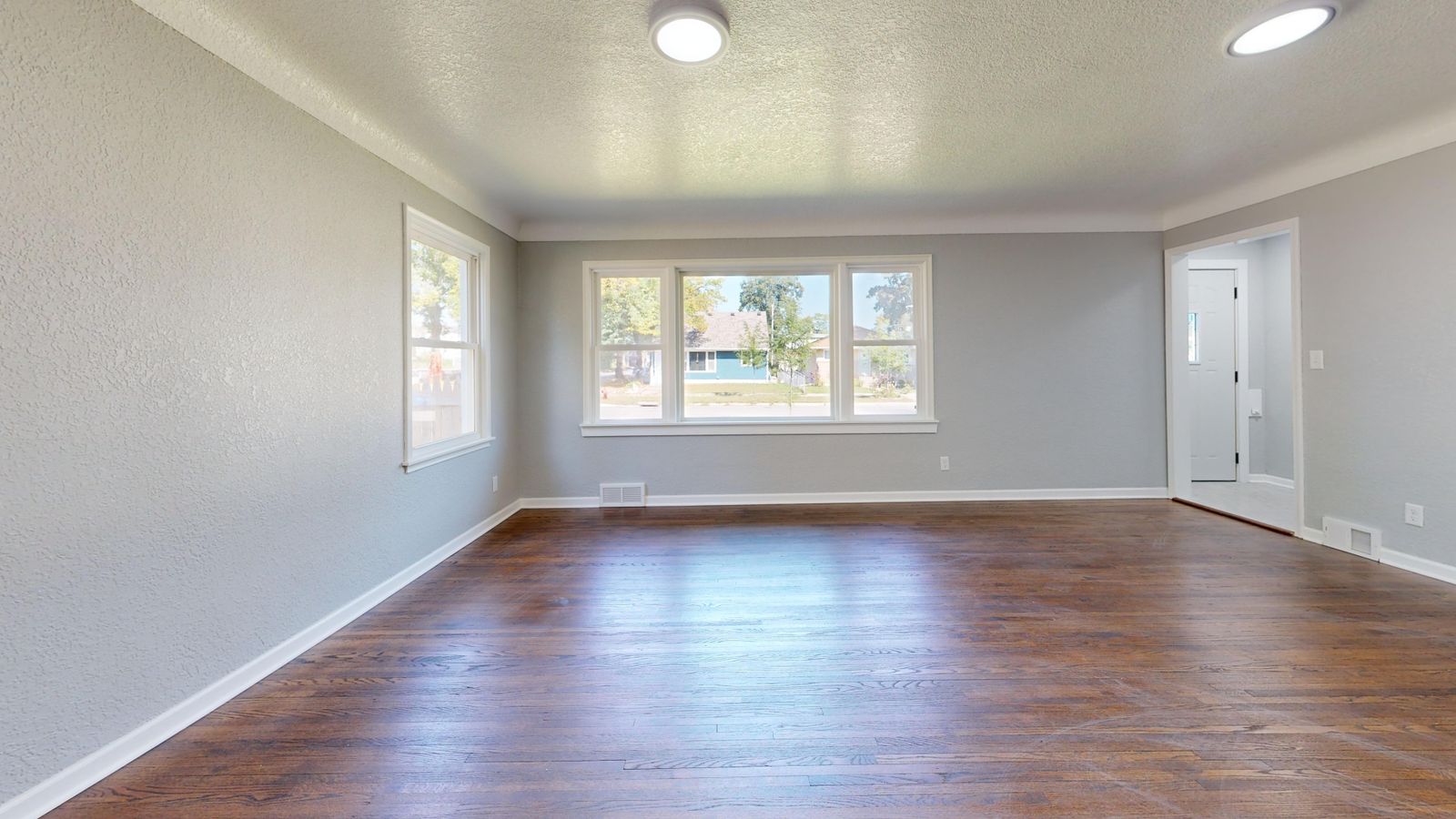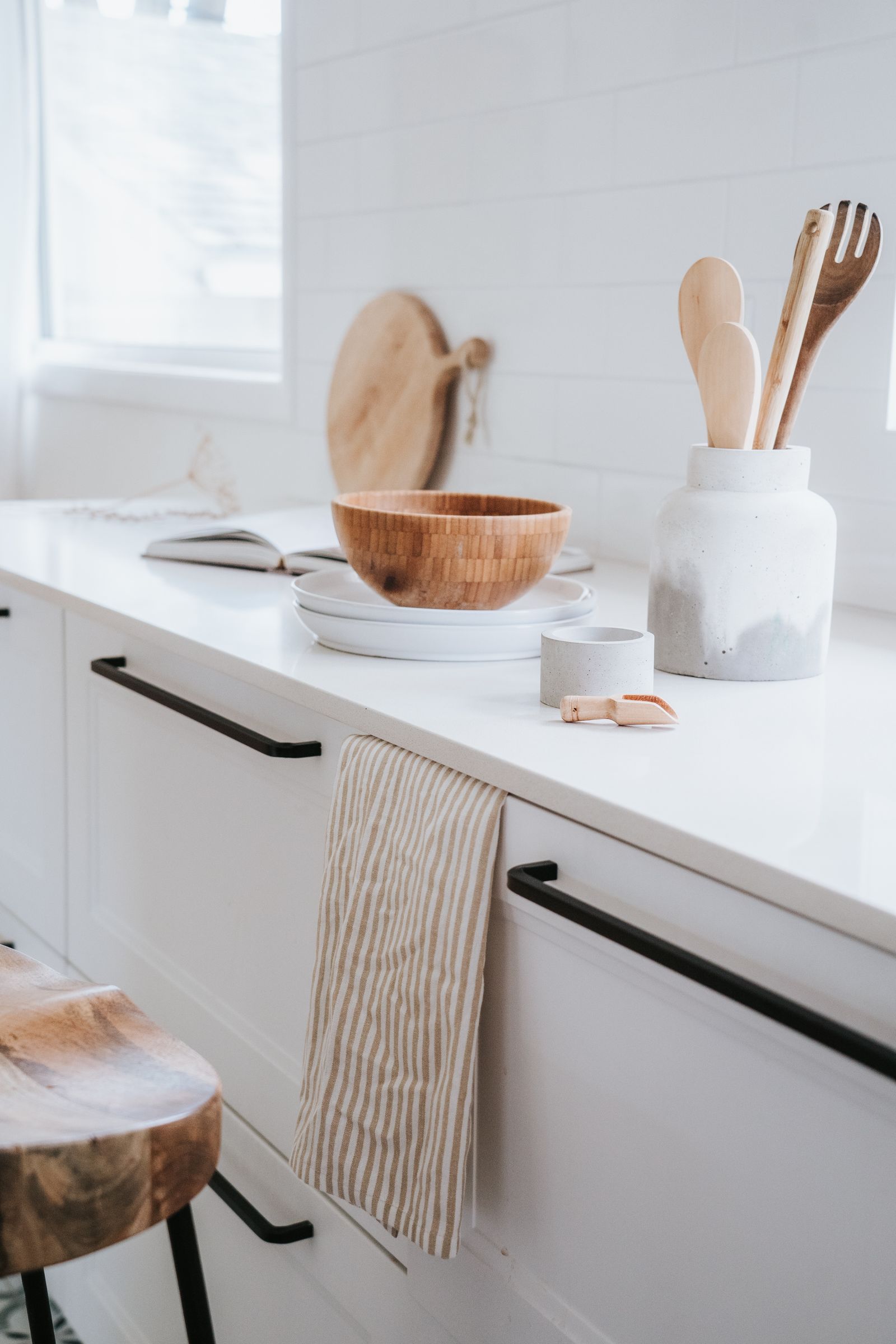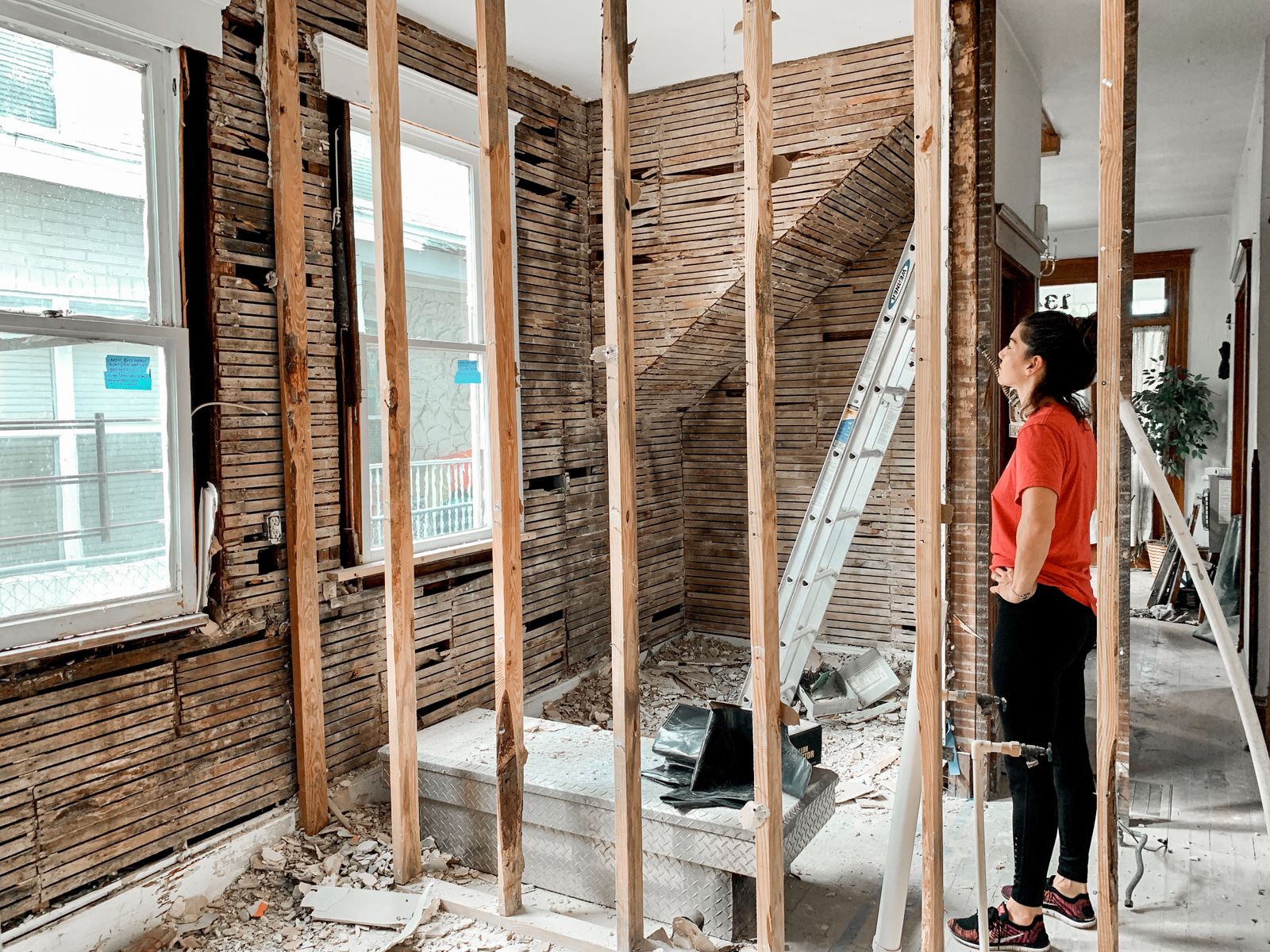

Thinking about selling your home in Brampton or the GTA? Before you start renovating, consider what buyers will actually notice.
When homeowners decide to sell, one of the first questions that often comes up is whether they should spend money improving their property before putting it on the market. Should you repaint? Replace outdated flooring? Update the kitchen? Or simply clean, declutter and list the home as it is? The answer isn't always straightforward.
Not every improvement will deliver the same value, and spending more doesn't necessarily mean selling for more. The key is understanding your home's condition, your likely buyers and where your preparation budget could make the most sense.
1. Start With What Buyers Notice First
Before considering expensive improvements, take an honest look at your home from a buyer's perspective. When someone walks through the front door, what impression does the property create?
Buyers may notice things homeowners have become accustomed to seeing every day, such as:
Scuffed walls or damaged trim
Loose handles, dripping taps or minor repairs
Cluttered rooms that make spaces difficult to appreciate
Poor lighting or neglected exterior areas
Strong odours or visible signs of moisture
These details don't necessarily determine a home's value, but they can influence how buyers experience the property. Sometimes, addressing basic maintenance and presentation concerns is a more sensible starting point than committing to major renovations.
2. Don't Assume Every Renovation Will Pay for Itself
It's understandable to want your home looking its best before listing. However, there's an important difference between improving a property for your own enjoyment and preparing it for resale.
A kitchen renovation costing thousands of dollars may create a beautiful space, but that doesn't guarantee you'll recover the full investment when you sell. The same applies to bathroom renovations, flooring replacements and other significant upgrades.
Before committing to a project, consider:
How does your home compare with recently sold properties nearby?
Are similar homes selling successfully without major updates?
Will the improvement address a meaningful concern or simply reflect personal taste?
How much time and money will the work require?
A practical approach is to compare the potential benefits with the cost, disruption and timing of the work.
The goal isn't to create the most expensive home on the street. It's to prepare your property appropriately for its market.
3. Focus on Cleanliness, Space and Natural Light
A clean, uncluttered home allows buyers to appreciate the space without unnecessary distractions. Simple steps such as clearing countertops, removing unnecessary furniture and organizing storage areas. Where possible, open curtains and blinds to bring in natural light, and replace burned-out light bulbs.
You don't need to remove every personal item. The goal is to help buyers see the home's layout, functionality and potential.
4. Don't Overlook the Exterior
First impressions begin before buyers enter the home.
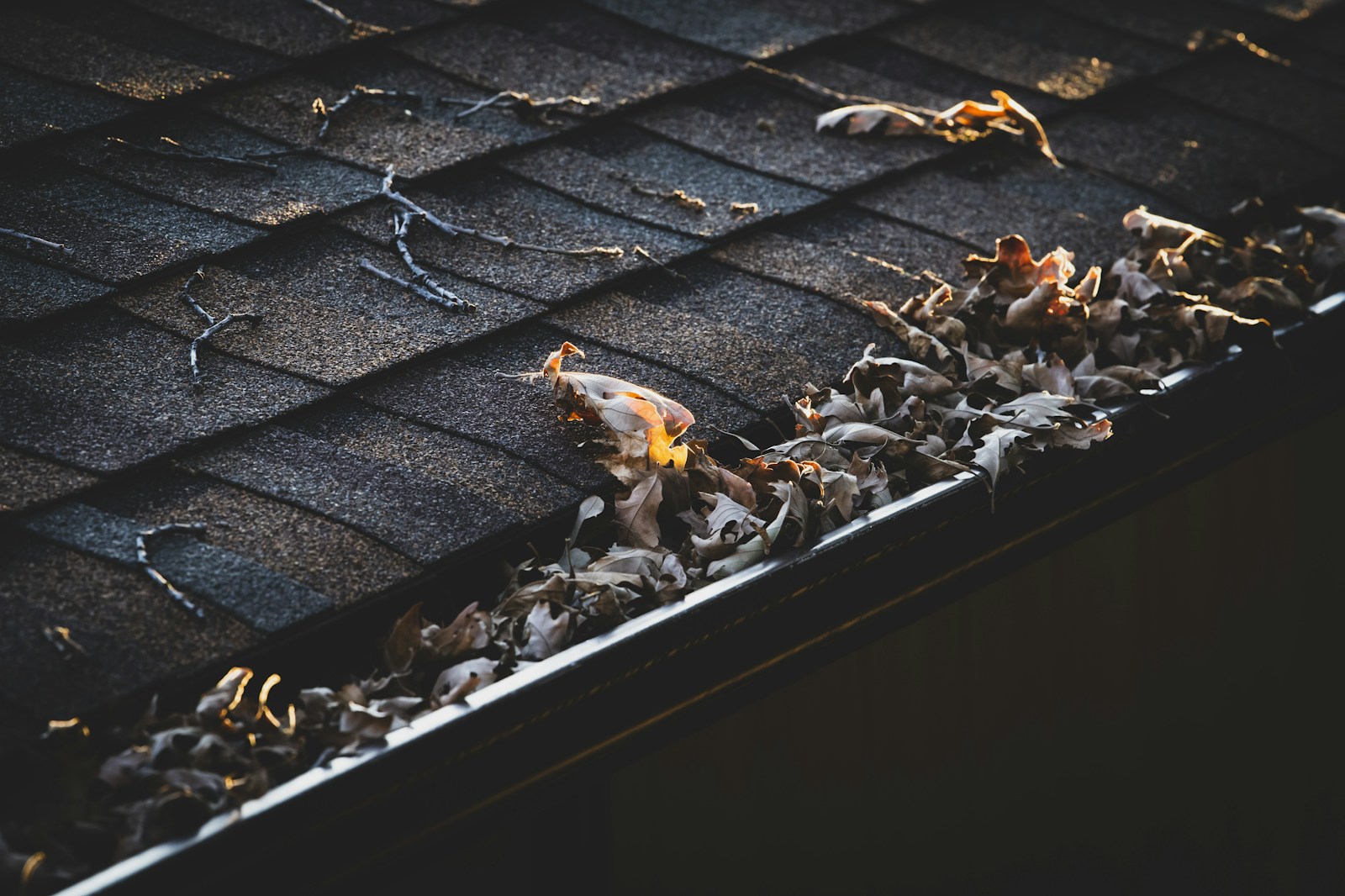
During the fall, simple maintenance such as clearing leaves, tidying landscaping, cleaning the entrance and keeping walkways in good condition can make a difference. A well-maintained exterior helps create a welcoming first impression without requiring major landscaping expenses.
5. Address Important Concerns, Not Just Cosmetic Details
While presentation matters, buyers may also have questions about the property's overall condition.
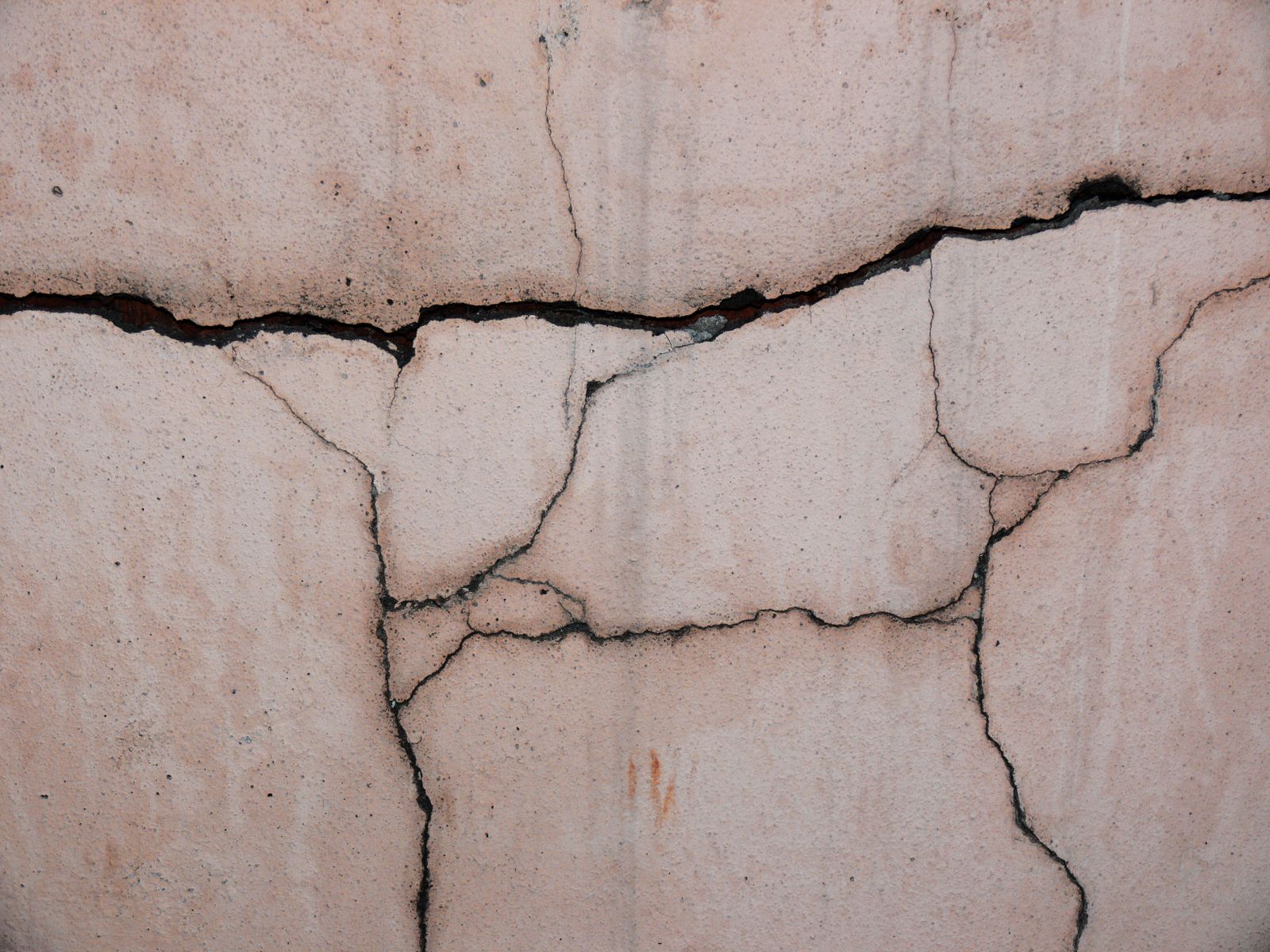
Issues involving water intrusion, heating, electrical systems or structural concerns deserve appropriate attention. If you're aware of a significant problem, don't assume fresh paint or cosmetic improvements will resolve it.
Depending on the concern, obtaining advice from a qualified professional may help you understand the issue, potential repair costs and your options before listing. It's also important to provide accurate information about the property.
According to the Real Estate Council of Ontario (RECO), its Seller’s Checklist emphasizes the importance of providing accurate information when listing a property. This includes details about renovations, property features, property taxes and items included in the sale. RECO also recommends having supporting documents, such as receipts or invoices, available whenever possible.
Preparation should be about presenting your home well while remaining transparent about its condition.
6. Let Your Local Market Help Guide Your Decisions
What makes sense for one property may not make sense for another.
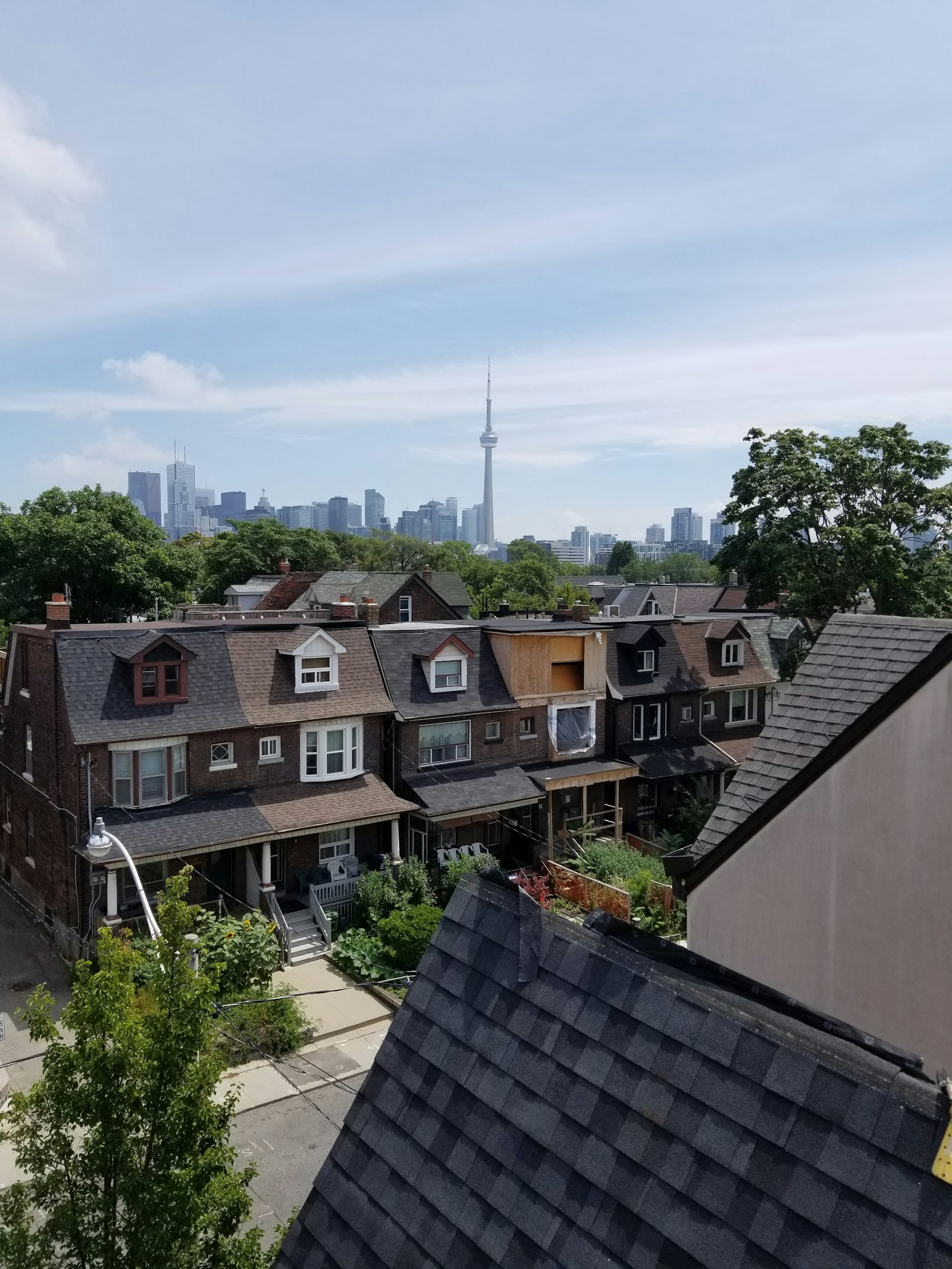
A detached home in Brampton may attract buyers with different priorities than a condominium in Mississauga or a townhouse in Vaughan. Property type, price range, location and competing listings all influence how buyers evaluate their options.
According to the Toronto Regional Real Estate Board, GTA home sales in September 2026 were 9% lower than in September 2025, while the average selling price declined 5.1% year over year. These figures provide broader market context, but they don't tell us which improvements will help an individual Brampton property sell.
That's why local comparable sales and competing listings are more useful when deciding how much preparation is appropriate. Before investing in upgrades, review what similar homes offer and how their condition compares with yours.
A thoughtful preparation plan should be based on evidence, not assumptions.
7. Make a Plan Before Spending Money
Rather than tackling every possible improvement, divide your preparation into three categories:
Essential attention: Safety concerns, significant maintenance issues and repairs that require professional assessment.
Practical improvements: Cleaning, decluttering, minor repairs and exterior upkeep.
Optional upgrades: Cosmetic changes or renovations that may improve presentation but require a larger investment.
This approach helps you prioritize the work and understand where your time and money may be best spent. It also allows you to consider your selling timeline, available budget and personal circumstances.
Sometimes the best decision is to complete a few carefully chosen improvements. Other times, selling the property in its current condition, with an appropriate pricing strategy, may be worth considering.
Final Thoughts
Preparing a home for sale doesn't have to mean renovating every room or spending thousands of dollars.
What matters is understanding your property's condition, the expectations of likely buyers and how your home compares with the competition. A well-considered preparation strategy can help you make more confident decisions without committing to unnecessary expenses.
Before you start spending, make sure you understand what you're trying to accomplish.
Thinking about selling your home in Brampton or elsewhere in the GTA?
Before investing in repairs or renovations, it may be helpful to understand how your property compares with others in your local market.
I'm always happy to offer honest guidance, practical advice and local market insight to help you evaluate your options.